Introduction
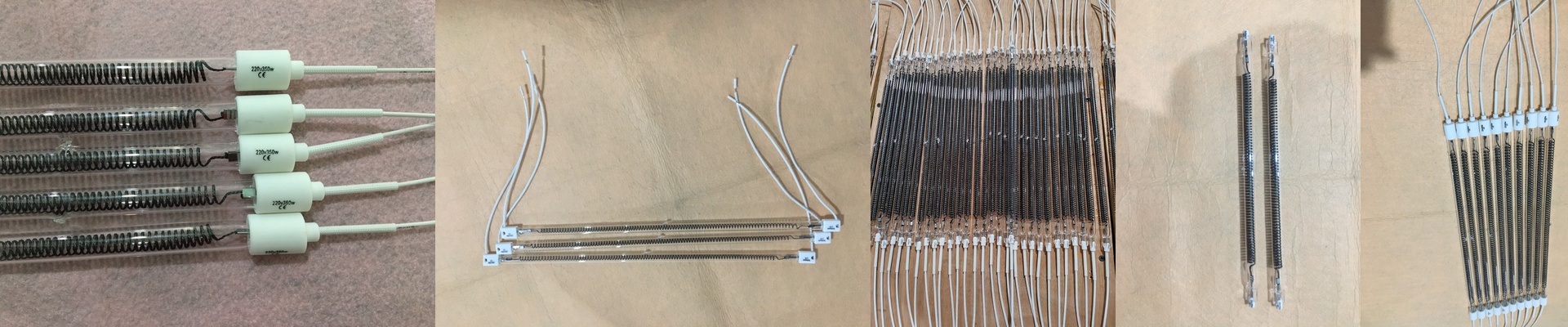
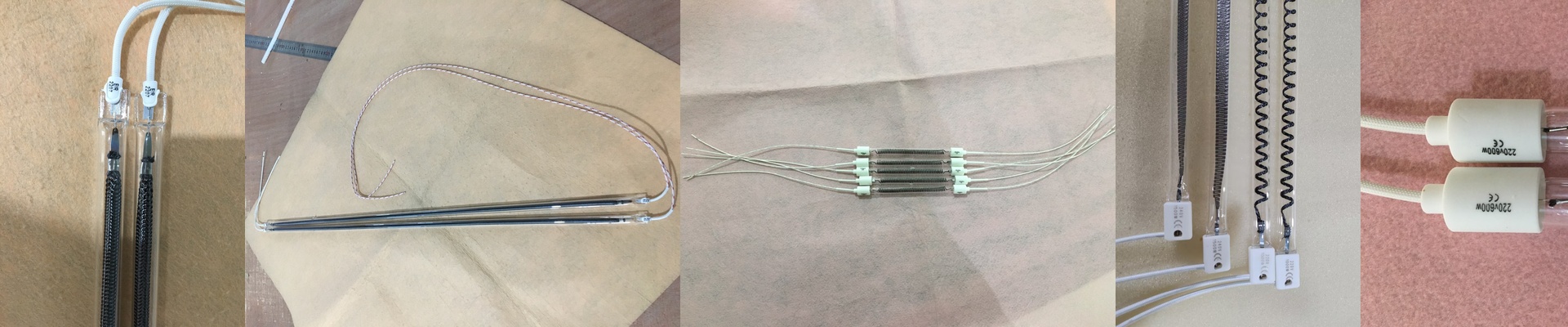
We built the 500mm 700W infrared carbon heating lamp as a direct-response tool for engineers who need predictable, high-intensity heat in a compact footprint. It is not a general-purpose heater; it is a focused heat source designed to integrate into machines where space is tight and thermal response must be fast. The core job is to deliver stable infrared output without overloading the surrounding electrical layout or mechanical assembly.
Technical Deep-Dive: Power, Voltage, and Dimensions
The 500mm length and 700W rating are chosen to hit a specific power density. In a 500mm envelope, 700W produces a concentrated heat zone that can reach operating temperatures quickly, which matters when cycle times are measured in seconds. This is the difference between heating an entire enclosure and heating only the target—less mass to warm, less wasted energy. Voltage compatibility is a practical constraint. We engineer the lamp to match the available supply in the machine or line. If your control panel supplies 230V or 400V, we match the lamp’s internal resistance and termination so it wires up cleanly. The wattage stays at 700W, but the current draw changes with voltage, which helps you keep cable sizes reasonable and contactors within their limits. The 500mm length also gives you a defined installation window. It is long enough to spread heat evenly across a typical part profile, but short enough to fit into tight frames without requiring major redesign.
Material & Design: Carbon Filament, Quartz Tube, and Termination
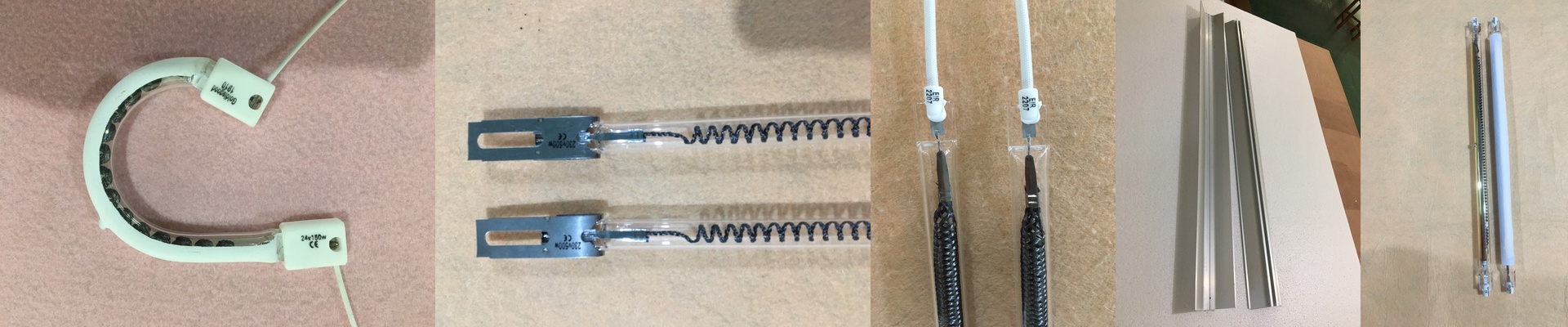
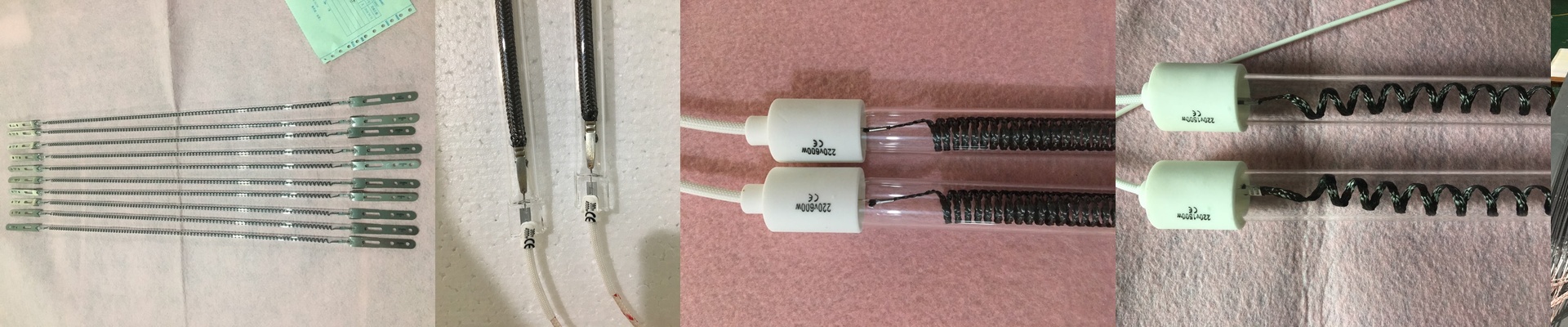
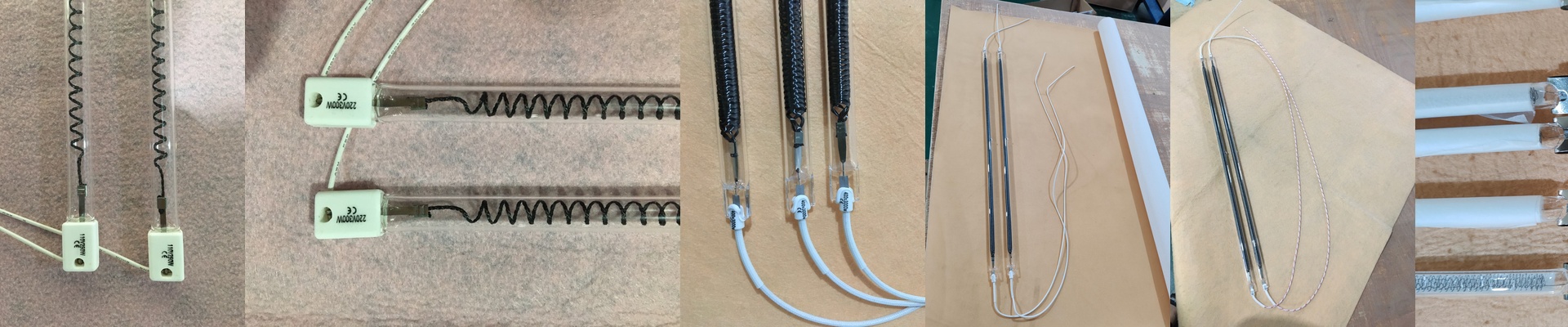
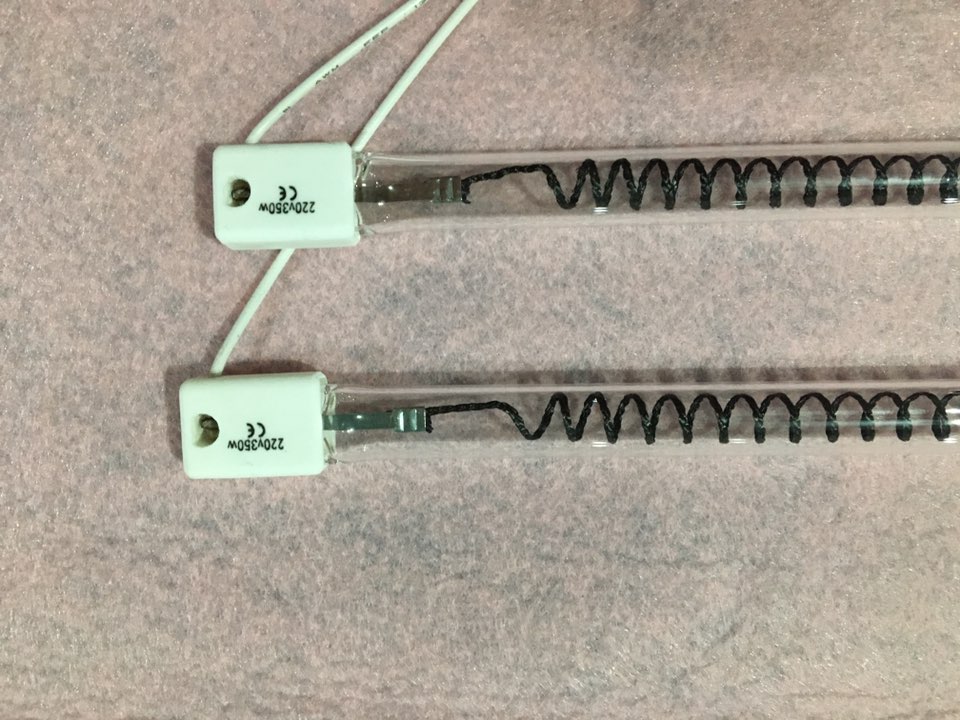
The carbon filament is the reason this lamp behaves like an infrared specialist. Carbon has a high operating temperature capability, and it produces a broad infrared spectrum that penetrates many materials more effectively than visible-light-heavy sources. The result is faster surface heating with less surface scorching compared to some metal-halide approaches. We house the filament in a quartz tube because quartz handles high temperatures and maintains mechanical stability under rapid heat-up. Quartz also transmits infrared efficiently, so you get more usable energy out of the envelope rather than losing it to the tube wall. Termination is where field failures usually start, so we spec out robust ends. The R7s base is a common choice for linear lamps because it provides solid electrical contact and mechanical retention. It is built for vibration and repeated insertion cycles. If your application demands a different mounting geometry, we can also supply SK15 or other termination options. The key is matching the termination to the fixture so the lamp stays seated and the joints do not arc or overheat.
Application & Benefits: Solving Heat Problems on the Line
This lamp configuration is typically used where you need rapid, localized heating: plastic processing, sealing, curing, or pre-heating before forming. The 700W output in a 500mm length gives you a predictable heat profile, which makes control easier—your temperature controller sees a stable load, and your process repeats with less drift. Installation is straightforward. The form factor drops into standard fixtures, and the defined wattage simplifies panel sizing. You do not have to overbuild the control circuit to get the heat you need. Trade-off: the high power density and fast ramp-up mean thermal management matters. The lamp will run hot, and the surrounding components will see that heat. Plan for proper clearance, reflector placement, and airflow or shielding to keep nearby sensors, wiring, and plastic parts within safe temperature limits. We design this lamp to be a dependable, repeatable heat source—one you can spec, wire up, and run without guesswork.
Spec Sheet at a Glance
- **Length:**500mm
- **Power:**700W
- **Technology:**Infrared carbon filament
- **Envelope:**Quartz tube
- **Termination:**R7s (SK15 available by configuration)
- **Application focus:**Industrial heating, curing, sealing, pre-heating If you need to match this lamp to a specific voltage or fixture, tell us the panel supply and mounting constraints, and we will configure the termination and electrical spec to fit the machine.