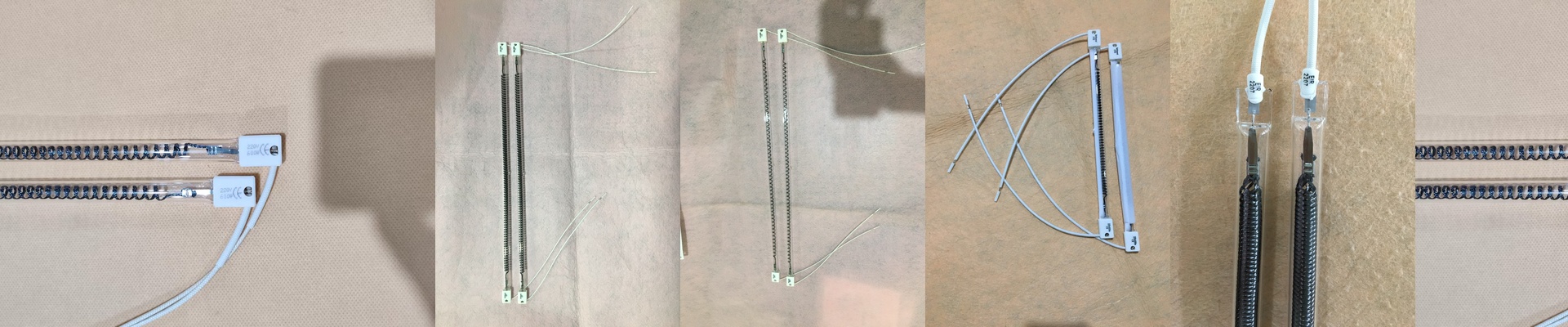
The 1260mm 220V 3500W Quartz Carbon Heating Lamp: Built for the Grind
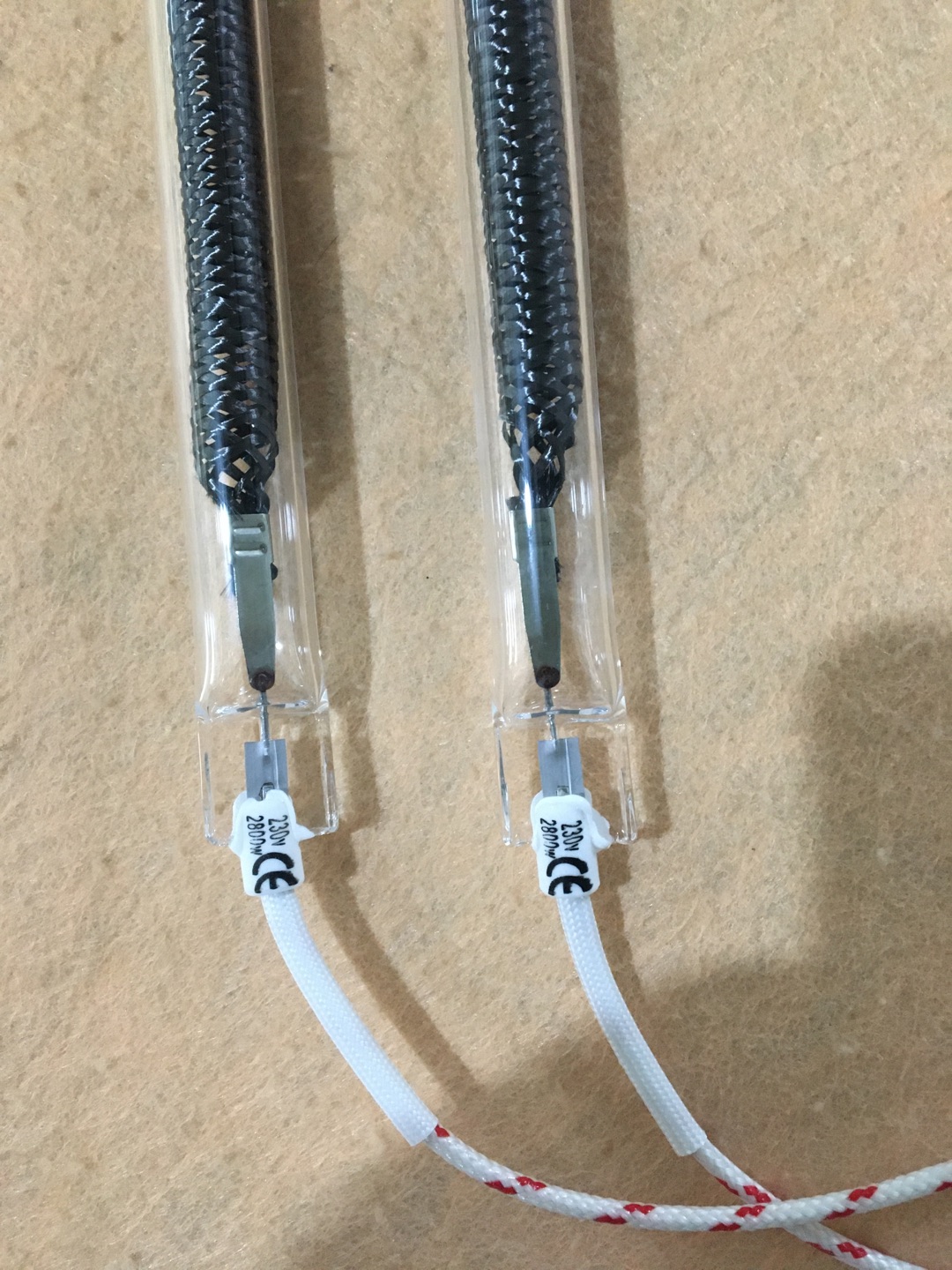
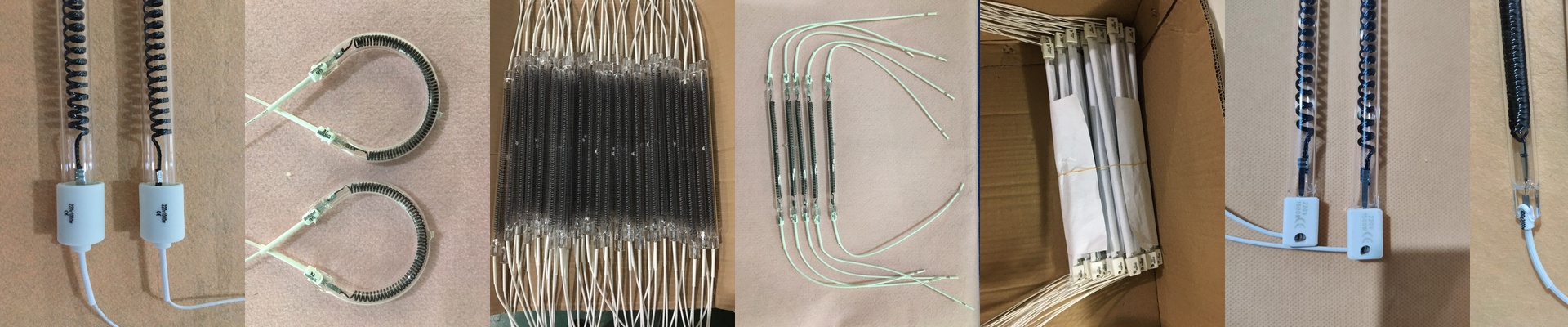
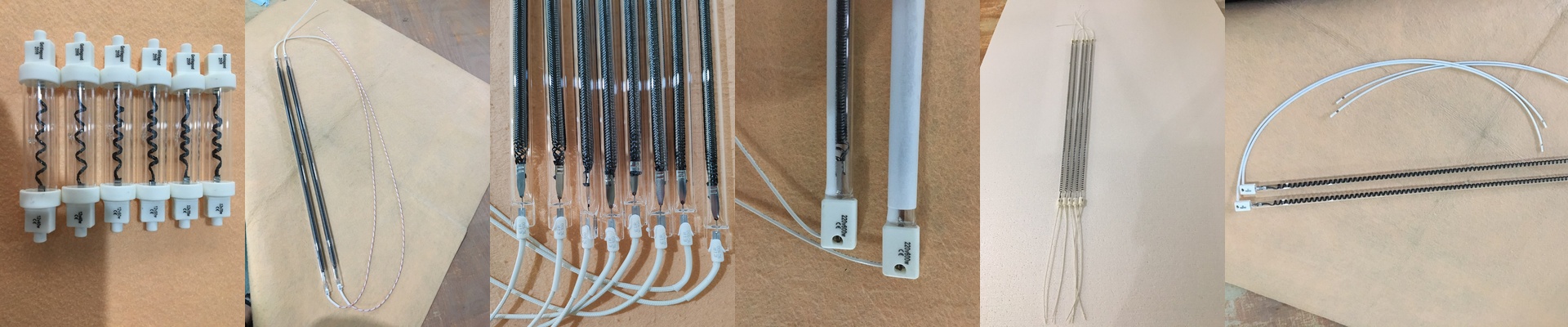
We built this 1260mm quartz carbon heating lamp for one reason: to handle industrial heating jobs that need a long, steady heating zone—and do it on a standard 220V supply. It’s not meant to warm up a room. It’s a line-heating workhorse, designed to run hard, cycle after cycle, right where your machine needs it.
Power, voltage, and size—matched to real plant realities
At 220V, it pulls around 15.9A. That’s a load most plant circuits can handle without drama—no three-phase supply, no oversized wiring hassle. And the 1260mm length? That was chosen because some heating windows are long. Think conveyor lines, big forming stations, multi-station drying setups. You need heat that stretches across the whole zone, not just a hot spot in the middle. Because the wattage is packed into that length, you get high heat density. The payoff is fast warm-up and stable temperature control. The catch is heat management. **The lamp runs hot—so your surroundings have to be ready.**In tight spaces, you’ll need ventilation and shielding planned out.
What it’s made of—and why it matters on the floor
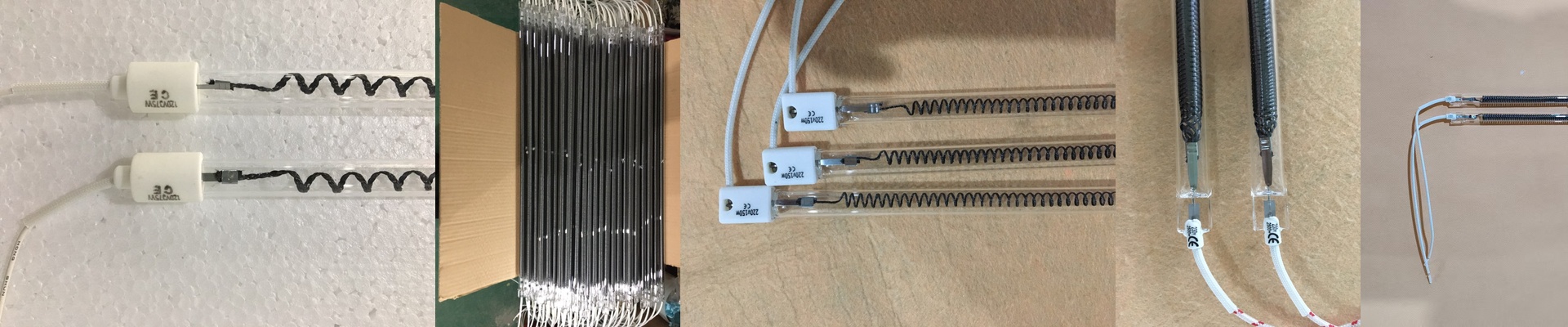
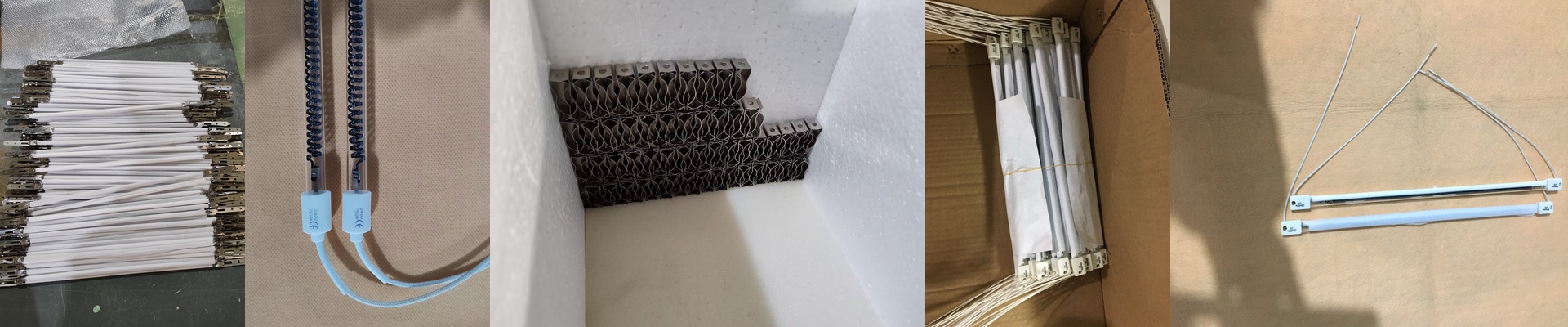
The quartz envelope isn’t just “heat resistant.” It stays steady at high temperatures, shrugs off thermal shock, and delivers infrared cleanly. Inside, the carbon filament heats fast and holds its resistance once it settles in. That’s the kind of stability that makes repeatable cycles possible. We pair it with an R7s-type two-pin end fitting. It gives solid contact and makes the lamp a straightforward drop-in replacement in many standard fixtures. And the quartz-to-metal seal at the ends is built to survive repeated heating and cooling without leaking or failing.
Where it shines—and how to keep it tough
Use this lamp when you need fast, focused infrared heating across a long footprint: preheating, drying coatings, thermoforming edges, or holding process temperature on a moving line. The 220V, 3500W combination keeps the wiring simple and the control direct. It responds quickly, so you can sync up with machine timing without waiting around for long ramp-ups. But here’s the part that matters in real production: carbon filaments don’t love voltage spikes or mechanical shock. If you run it above rated voltage, switch it on and off too often, or let it vibrate in the fixture, you’ll shorten its life. Match the socket. Keep the contacts clean. Protect the tube from impacts. Do that, and it will hold up where it counts—on the line, day after day.