Introduction
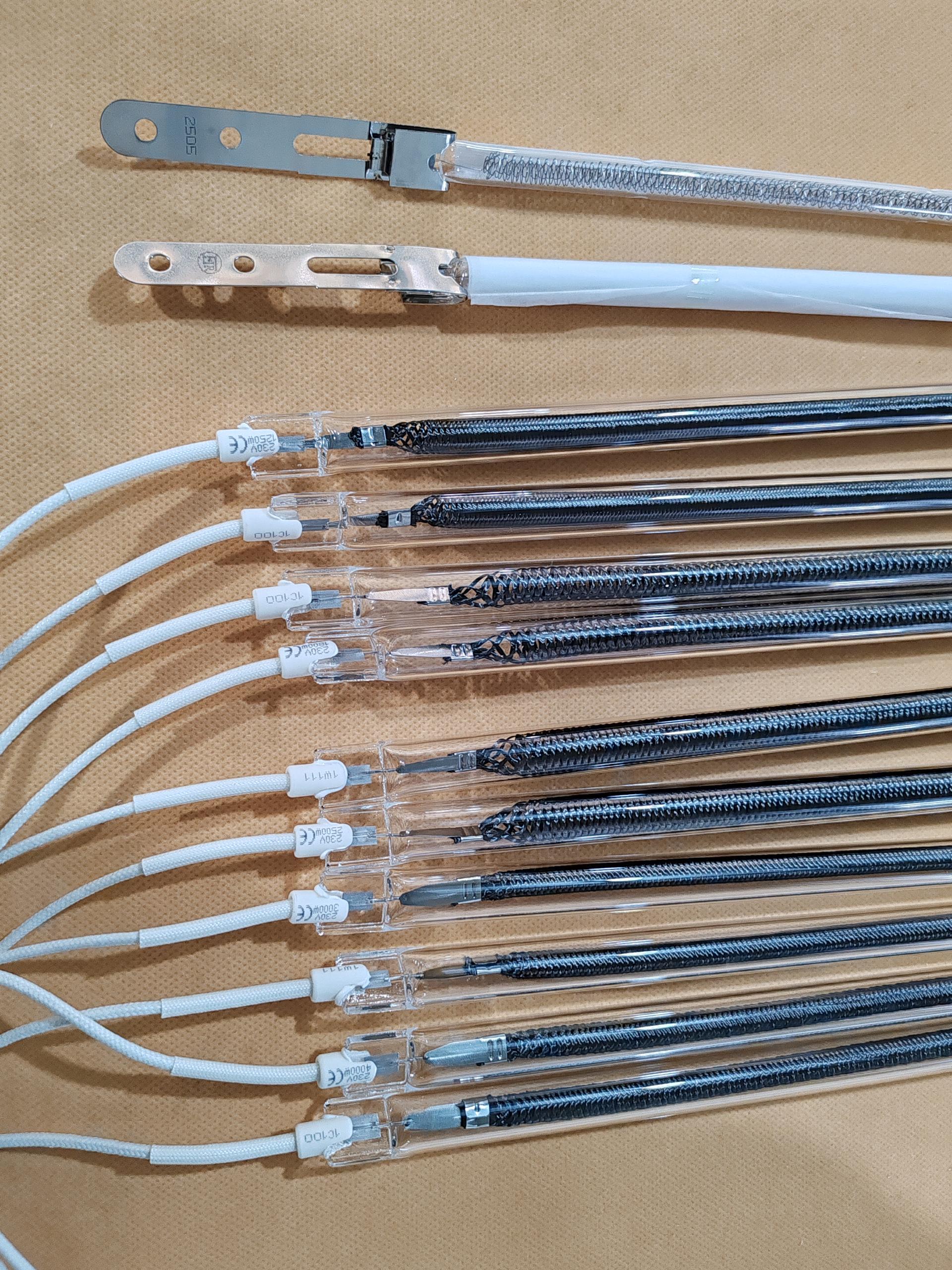
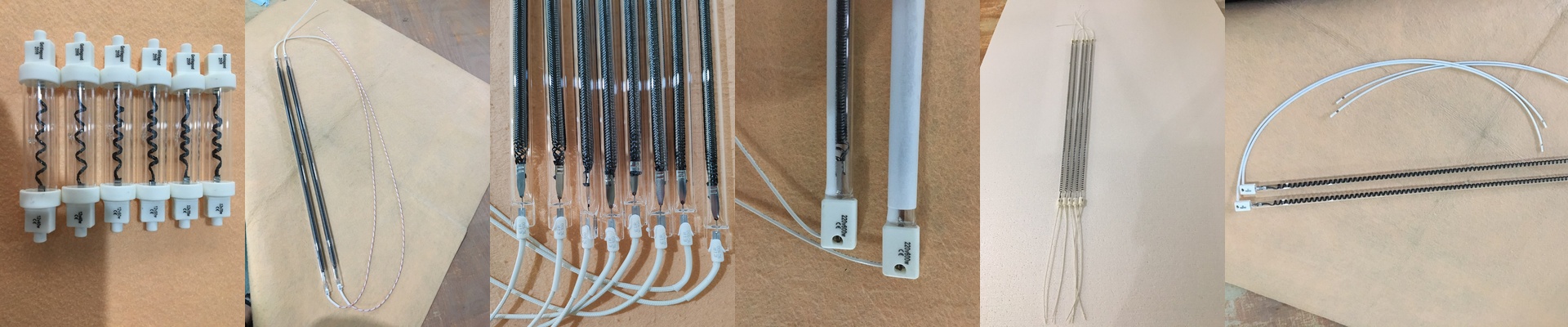
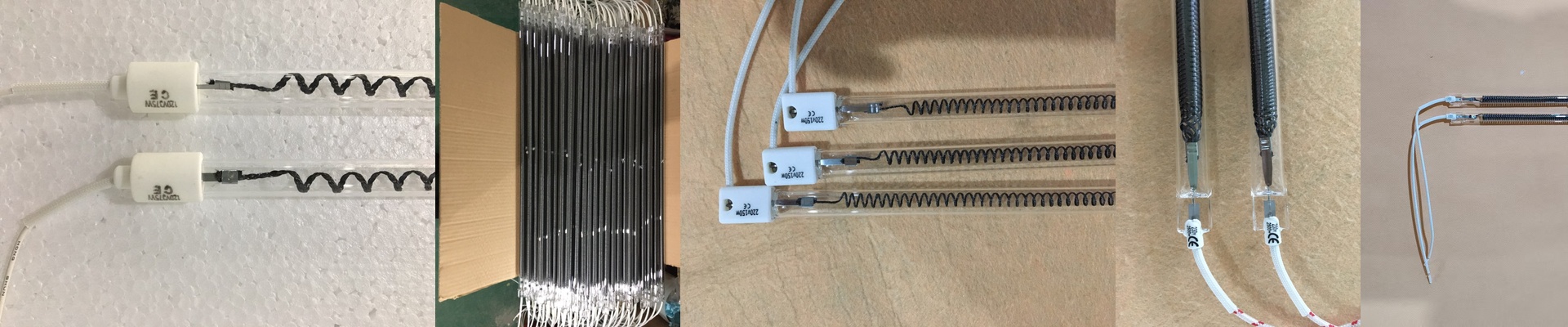
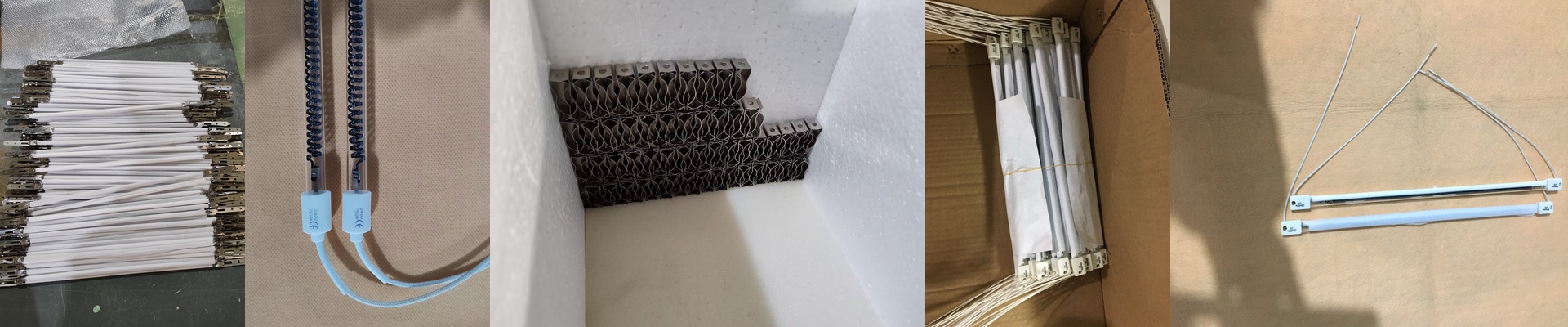
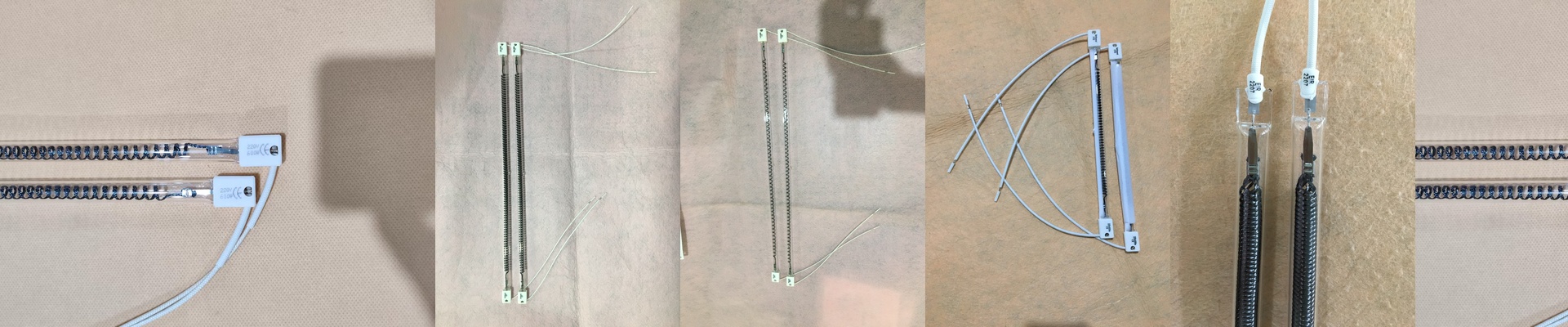
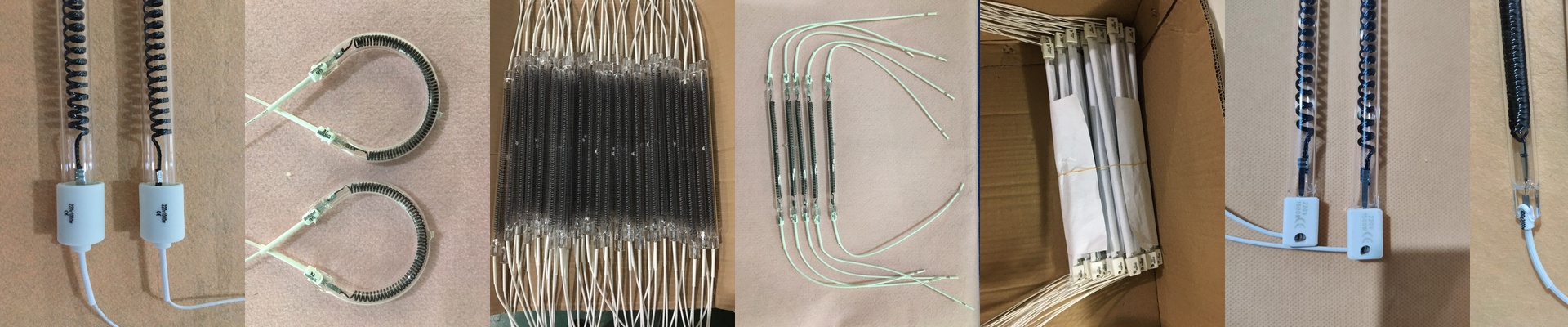
We build the 500W 220V carbon fiber heat lamp specifically for poultry housing, where steady radiant output and reliable ignition matter. This is not a general-purpose bulb; it is a purpose-built infrared heater engineered to deliver consistent warmth in brooders and barns. The core design pairs a 500W rating on a standard 220V supply with a carbon fiber emitter and an R7s base, giving you a drop-in fit for common livestock lighting fixtures.
Technical Deep-Dive
The 500W power rating is chosen to balance heat output against circuit loading in barn wiring. On 220V, the lamp draws roughly 2.3A, which keeps it within typical branch-circuit limits and reduces the need for dedicated high-current runs. That makes it practical to wire up multiple units without reworking the electrical distribution. Carbon fiber elements excel here because they deliver high radiant efficiency and respond quickly to voltage changes. In poultry environments, you need heat that turns on fast and stabilizes quickly after power dips or thermostat cycling. A 500W carbon fiber lamp reaches operating temperature rapidly, so chicks do not experience extended cold gaps. The lamp’s overall length and R7s base geometry are matched to standard poultry heat-lamp sockets. This ensures the thermal center of the emitter aligns with the reflector focus, maximizing downward infrared intensity where birds gather. If the lamp is too short or too long, you lose coverage and create hot spots.
Material and Design
The carbon fiber element sits inside a quartz envelope, which withstands the thermal shock of rapid cycling and resists degradation from moisture and ammonia-rich air. The quartz also maintains high transmittance in the infrared range, so more of the generated energy leaves the lamp as usable radiant heat instead of being trapped as convective heat inside the fixture. We use an R7s base because it provides a secure, two-contact connection that handles vibration better than screw-base designs. Barn fixtures swing, fans shake, and birds bump equipment. The R7s interface stays locked in place, reducing intermittent arcing and preventing premature failure at the connection point. This construction does have a trade-off. The quartz envelope and compact carbon fiber core produce high surface temperatures. Treat the lamp as a high-heat device: keep clearances to combustibles, use guards, and ensure the socket and wiring are rated for continuous high-temperature operation.
Application and Benefits
In poultry applications, the lamp’s radiant output directly warms birds and the floor, not just the air. That matters because air temperature can swing while floor and bedding temperature influence chick comfort and dryness. The 500W rating provides enough heat density to cover brooder zones without overloading circuits, and the 220V supply matches common agricultural voltage systems. The carbon fiber element also delivers stable output over its service life. It maintains consistent resistance, which translates to predictable temperature behavior for thermostat control. In practice, you get repeatable on/off behavior, so temperature bands stay tight. For engineers and farm managers, the combination means easier installation, fewer call-backs for flickering connections, and consistent thermal performance under real-world conditions. If you need a heat lamp that specs out cleanly on 220V, drops into standard fixtures, and holds up to the harsh environment of poultry housing, this 500W carbon fiber design is the straightforward solution.