Introduction
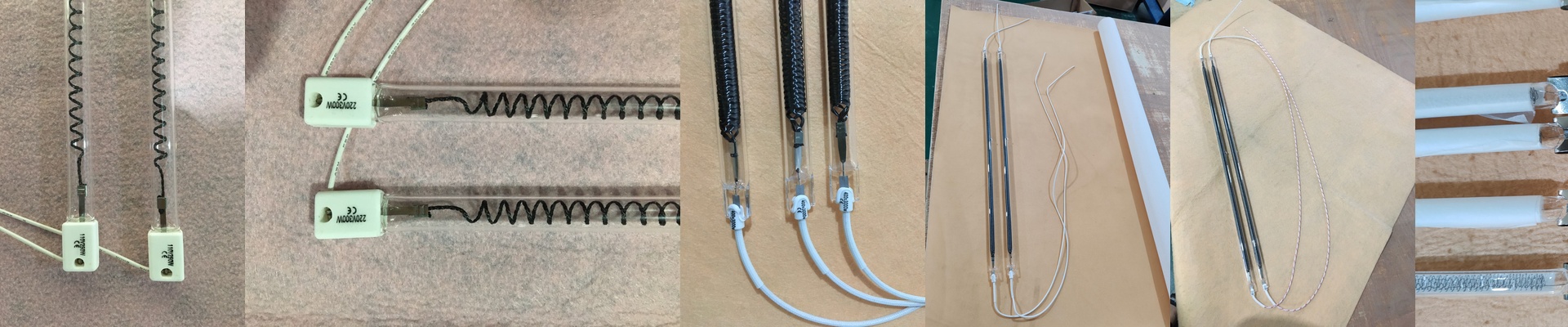
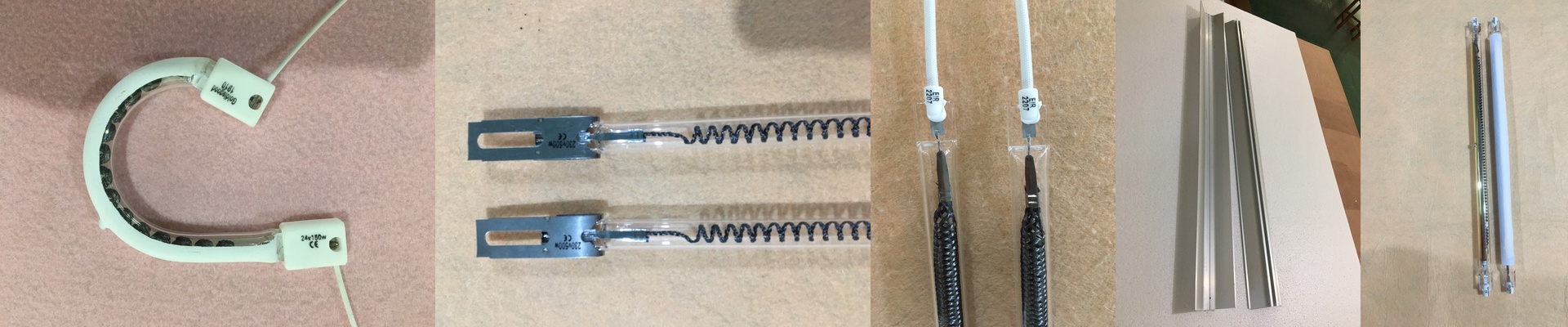
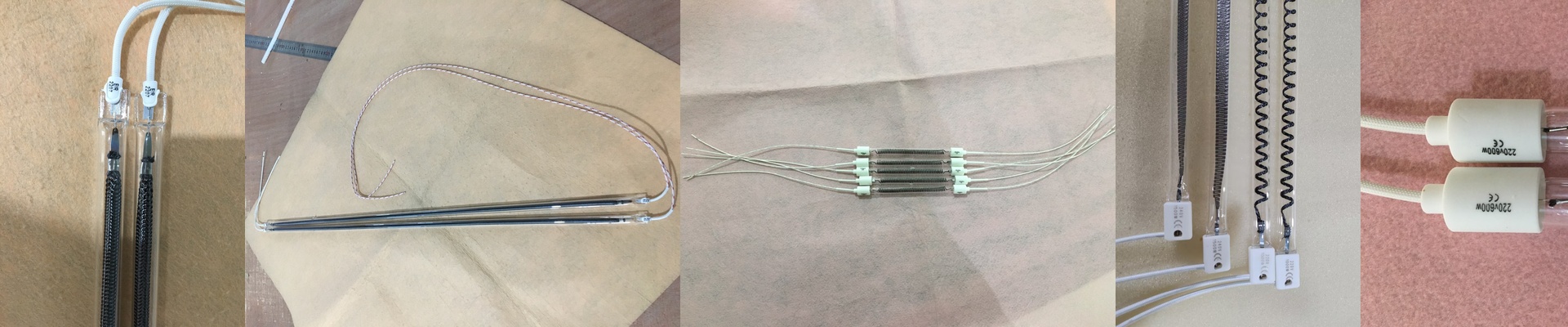
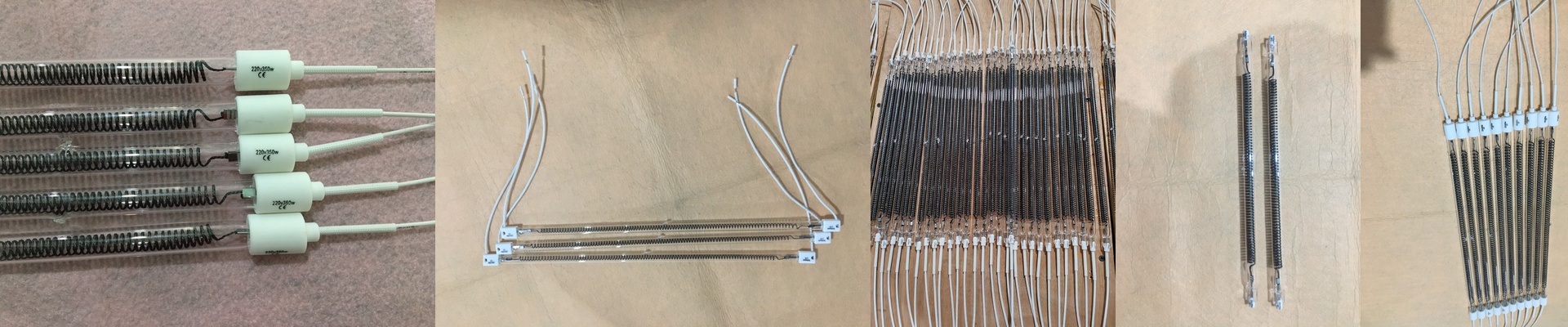
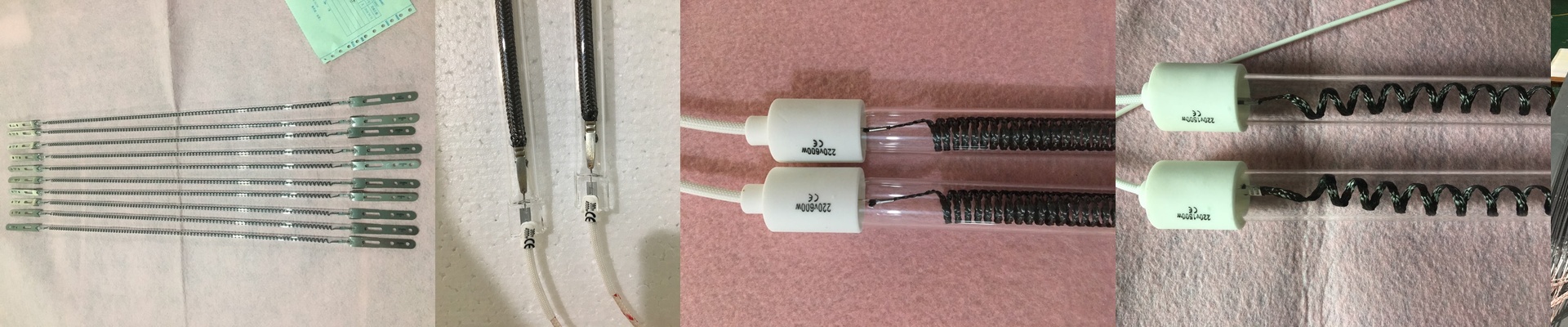
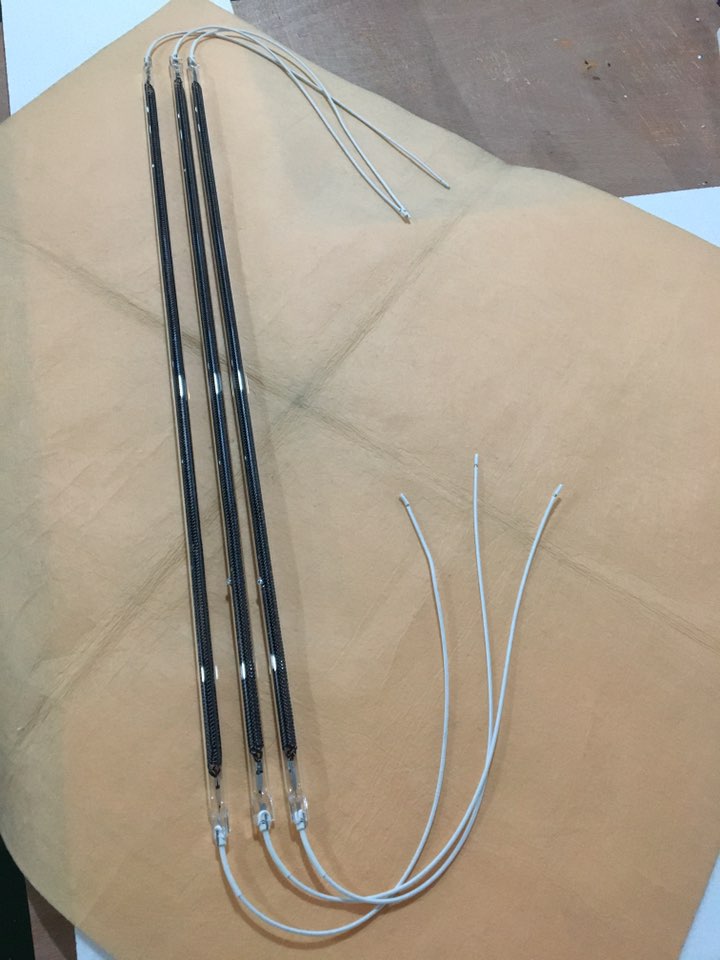
We built this carbon fiber heat lamp for a specific kind of challenge: the tough, real-world conditions of industrial settings in the Philippines. You know the scene. The electrical supply can be a bit unpredictable, and floor space is always at a premium. So we needed a heater that was tough, fast, and didn’t hog room. This is what we came up with: a 400V, 2500W shortwave infrared heater, packed into a 300mm quartz tube with a straightforward R7s base. It was born to deliver fast, focused heat to machines that can’t wait around for a slow warm-up or put up with uneven temperatures.
Let’s get into the details
That 400V rating isn’t just a number on a spec sheet. It’s the key to drawing serious power without overloading your wiring. It’s about keeping things safe and solid. Then you’ve got the 2500W output packed into that short 300mm length. That creates a serious amount of heat in a tiny footprint. Perfect for those tight spots where you just can’t fit a bunch of bulky heating elements. And the shortwave infrared? It’s all about speed. The heat transfer is almost instant. Targets get hot fast, and they cool down fast when you flip the switch off. That kind of responsiveness is exactly what keeps automated lines moving without a hitch.
What it’s made of, and why it matters
Inside, the carbon fiber filament sits snug in a quartz envelope. This combo is built to handle extreme heat without warping or losing its shape. We also added a reflective coating to the tube. It’s a simple but smart move that directs all that infrared energy forward, where you need it. Less wasted heat means a more consistent, repeatable result every single time. The R7s connector is a no-brainer. It’s a simple, two-terminal design that just clicks into place with standard ceramic sockets. For many machines, it’s a straight swap—just pop it in and go. If your control cabinet needs something a bit more heavy-duty, we’ve got the SK15 terminal block option ready to go.
Where it shines (and what to watch for)
This setup is a workhorse in plastic processing—think PET blowing and pre-heat stations—where you need that surface heated evenly before it’s formed. It’s also the go-to for coating curing and getting adhesives to activate, where speed and temperature control are everything. Here’s the thing about that kind of power, though. Packing 2500W into a short tube creates intense, localized heat. That means your machine’s cooling and shielding need to be up to the task. If you run it without proper airflow or thermal isolation, you’re asking for trouble. The nearby parts just can’t handle that kind of heat. We designed this lamp to be a practical, get-the-job-done tool. It’s fast, it’s compact, and the install is as simple as it gets. If you need a heater that keeps your cycle times tight and your footprint small, this is the one.