Carbon Fiber Halogen Lamp: The 400V 2500W Powerhouse Built for the Plant Floor
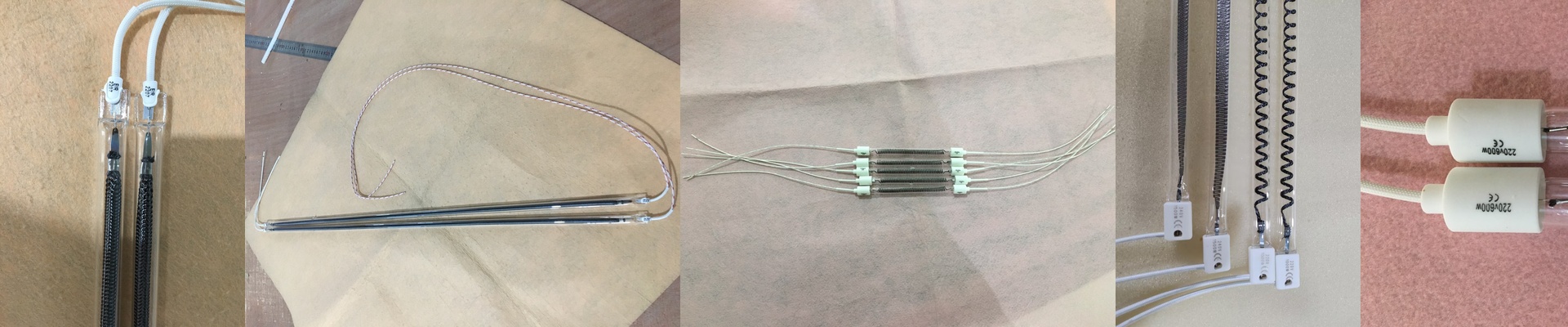
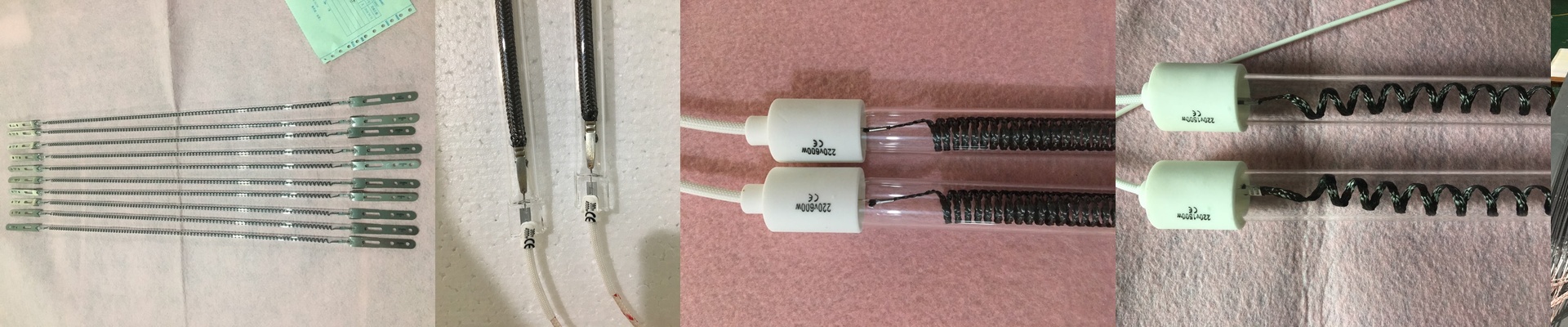
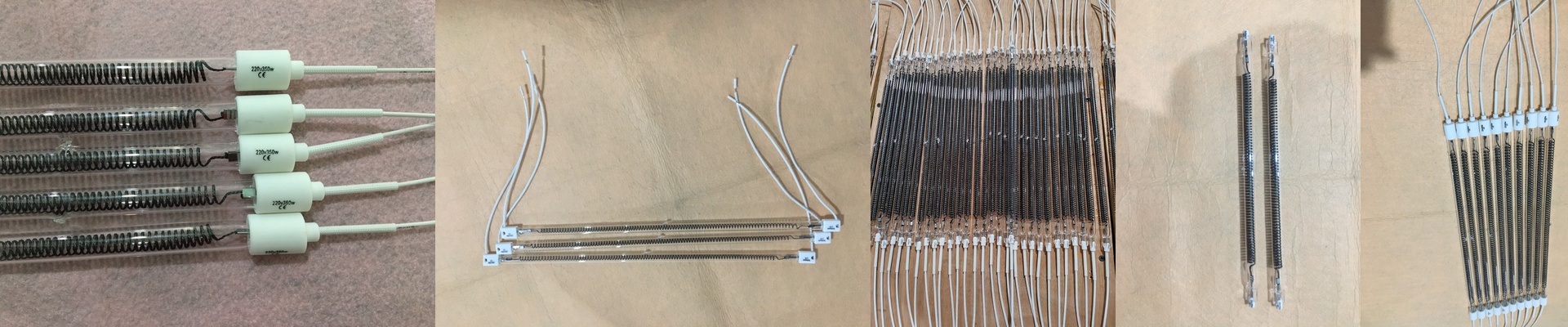
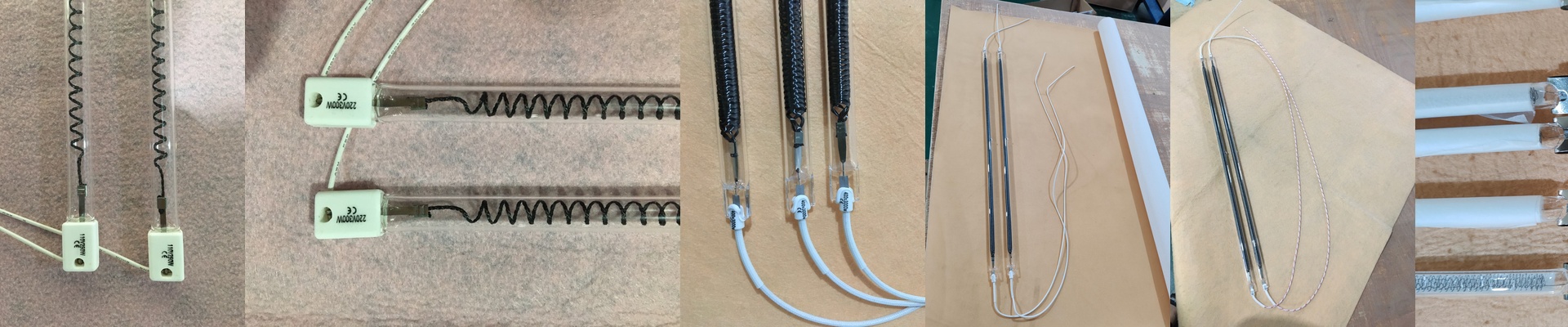
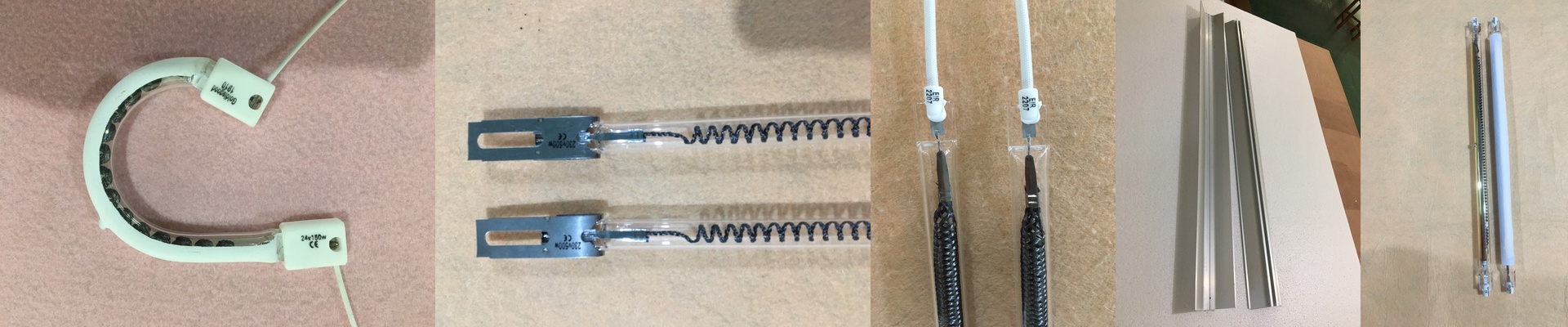
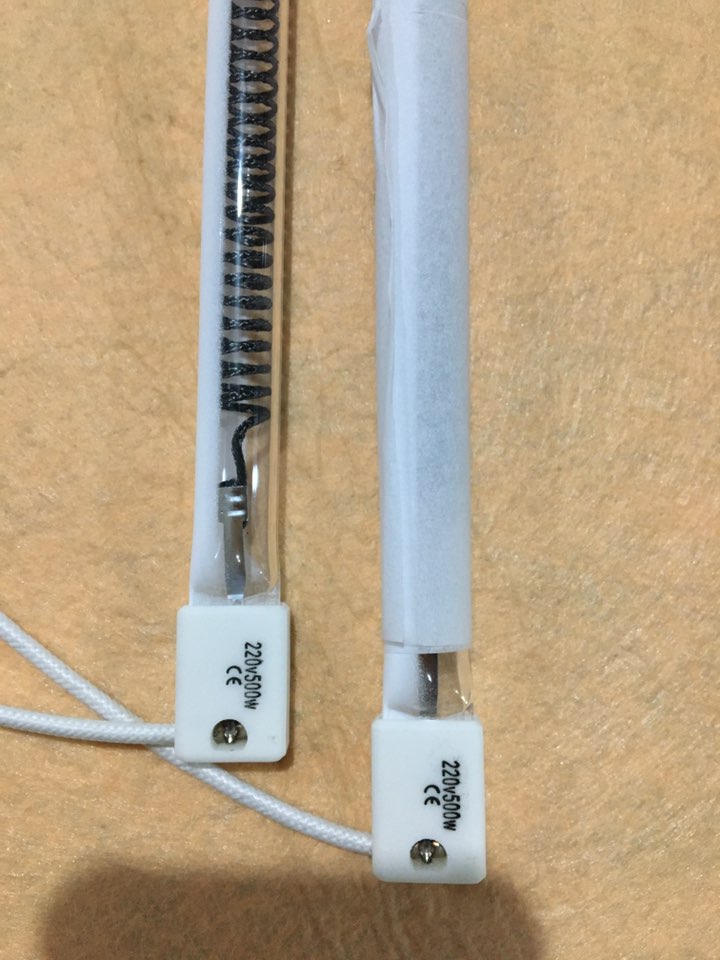
Let’s cut right to it. This isn’t some delicate piece of tech meant for a fancy showroom. We built this carbon fiber halogen lamp for the real world. For the plant floor. It’s a high-intensity heater, pure and simple, engineered for industrial jobs where you need heat fast and you need it to be rock-solid. You’re getting a 400V, 2500W heating element packed into a 300mm quartz tube, finished off with an R7s connector. The whole point? It drops right into the fixtures you already have and just keeps running, even when the cycles are relentless.
Why the 400V and 2500W Matter
That 400V rating isn’t just a number on a label. It’s a smart choice. Running on higher voltage means you can use less current to hit that 2500W. Less current means less wasted energy as heat in the wiring, and your control gear stays cooler. And that 2500W? It packs a serious punch into a tight 300mm length. You can focus all that heat right where you need it, on a specific zone, without having to overhaul your whole setup. The predictable 300mm tube size makes it a perfect match for machines where you have to match the part geometry, like bottle blowing or plastic forming lines.
What’s Inside: The Materials That Make It Work
The carbon filament lives inside a quartz envelope for a reason. Quartz can handle those brutal, rapid temperature swings, and it stays clear enough to let all that efficient heat radiation through. Then there’s the halogen fill gas. It does the quiet work of keeping the filament stable, so the lamp doesn’t blacken over time. The result? Consistent output, run after run. Inside, a special coating helps manage how the heat reflects and spreads, giving you more uniform heating across the target. And the R7s connector? It’s just a straightforward, proven connection. You line up the pins, seat the lamp, and you’re done. No fiddling around with extra adapters.
The Real-World Trade-offs
This lamp is for the jobs where speed is everything—think PET blowing, plastic thermoforming, anything that demands a quick heat-up and a steady temperature. Its strength is that lightning-fast ramp-up. But that also means your machine’s cooling and thermal management need to be up to the task. High power density is what gives you the performance you need, but it also means you have to plan for proper ventilation and heat sinking. Treat this as the workhorse it is, and just make sure the rest of your system is ready for the output.