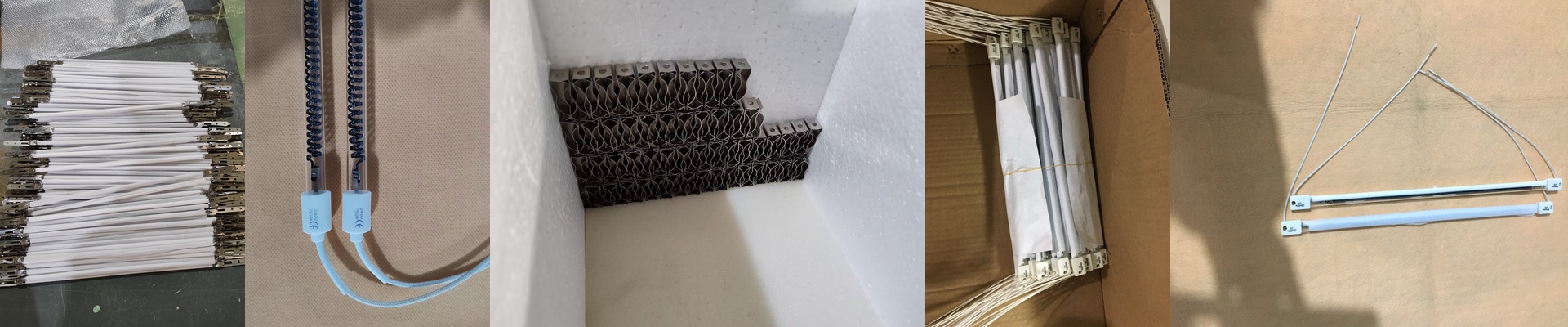
Let’s talk about Carbon Infrared Heaters
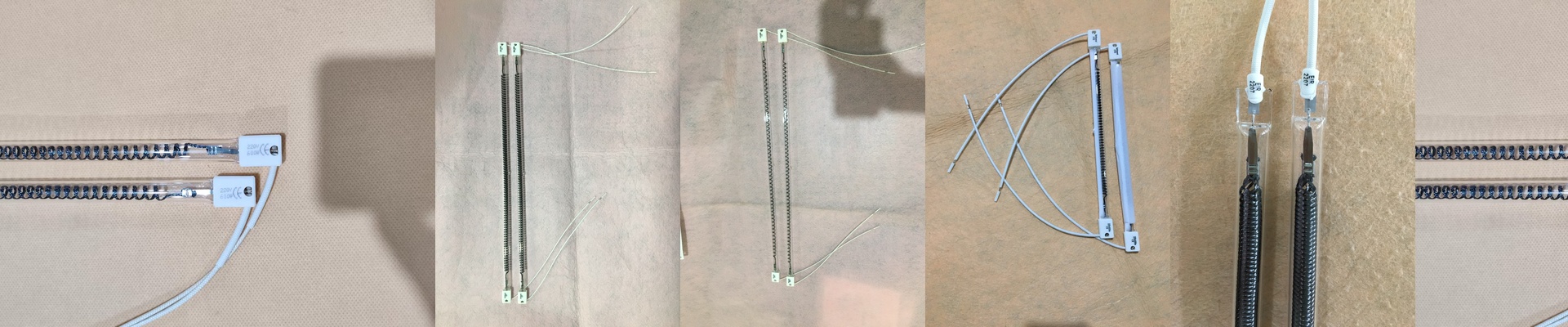
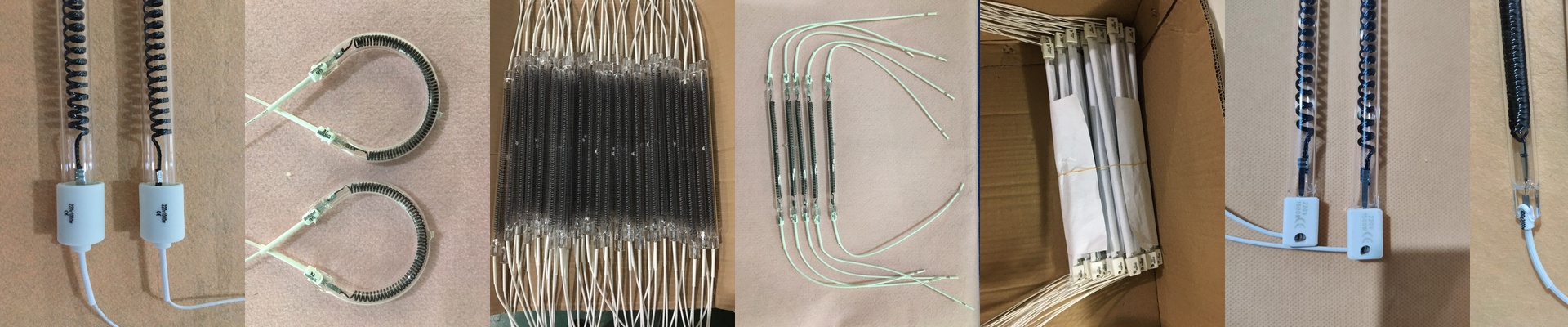
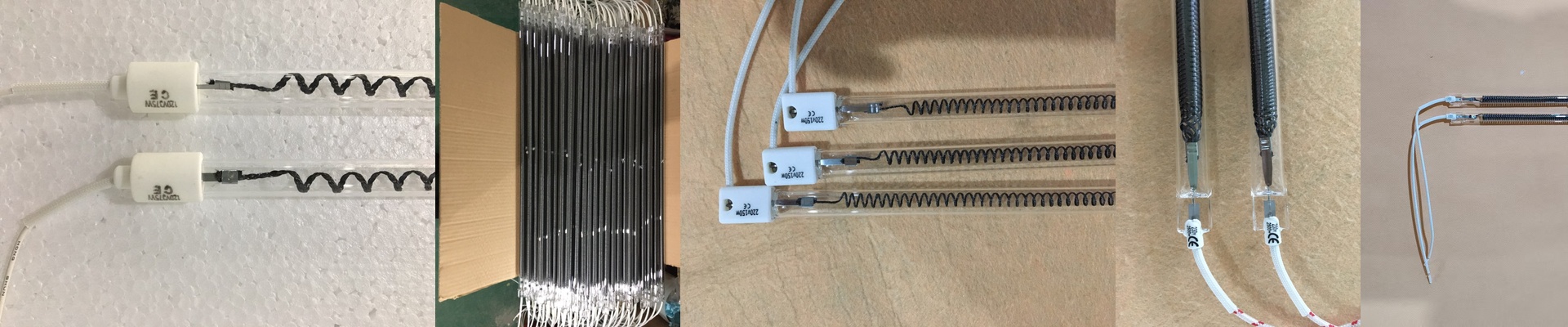
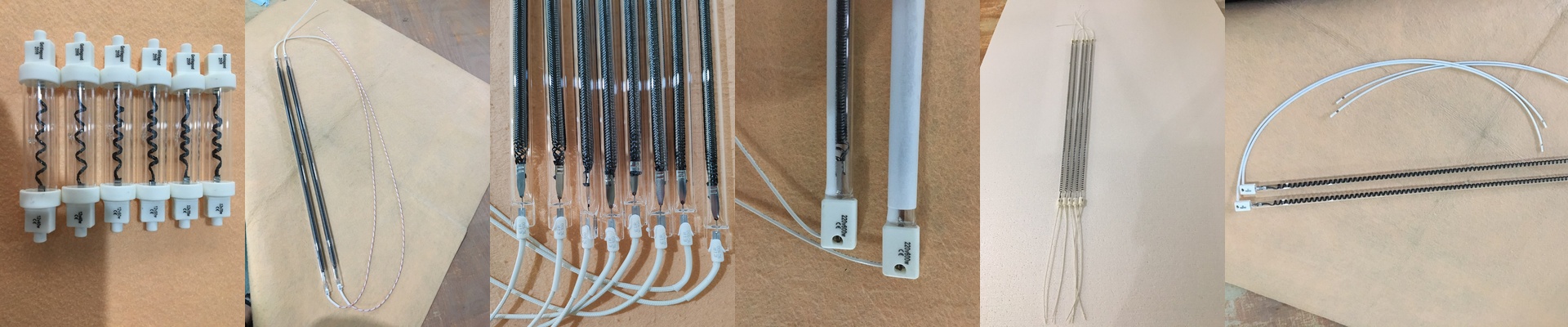
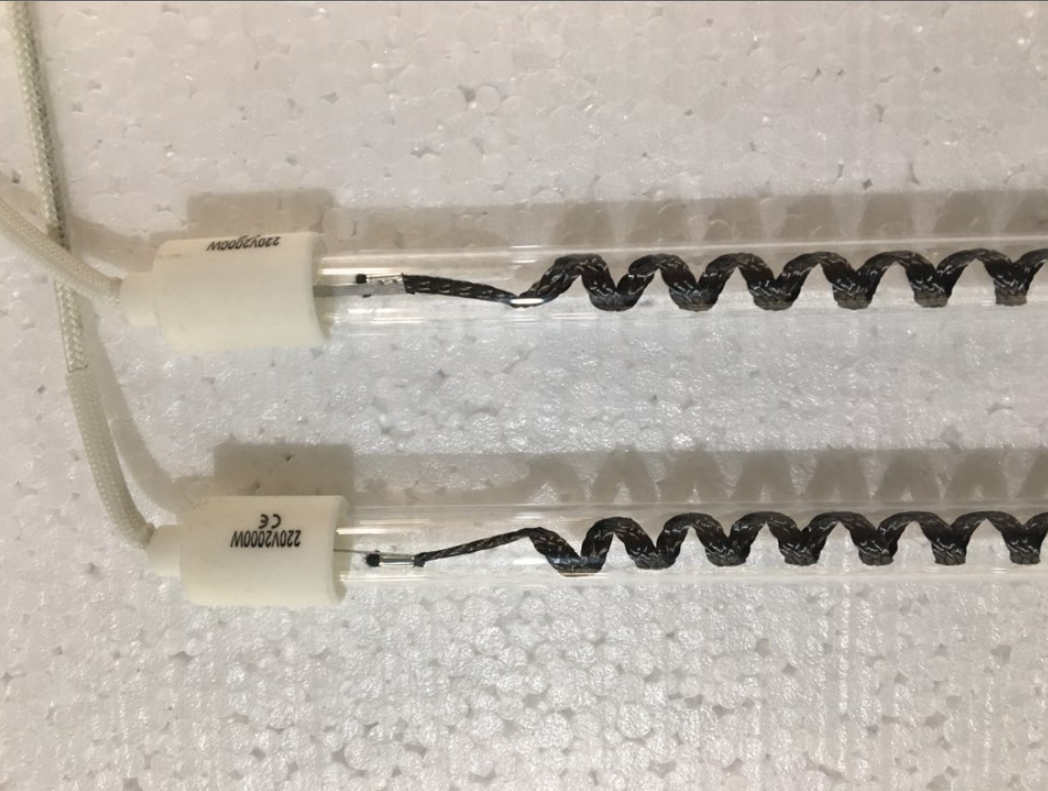
Here is the deal with carbon infrared lamps: they use a carbon filament tucked inside quartz to push out shortwave radiation. Unlike those old-school metal coils, these carbon filaments don’t need to get scorching hot to work. Instead, they send out a ton of infrared energy that hits your target instantly. It’s not about heating the air around the part—it’s about hitting the surface directly.Fast. Direct. Efficient.
Getting the power right
When we build these tubes, we look at your machine’s footprint to figure out the right voltage and wattage. If you go with high-wattage tubes, you get a massive blast of heat. That’s great because it lets you shrink your heating zone and save space. But a word of warning: check your wiring. If you try to push a high-wattage lamp through thin wires, you’ll get voltage drops. And when that happens, your ramp-up time crawls. Nobody wants to wait around for a machine to warm up.
The build and the fit
The quartz shell is there to keep the carbon from oxidizing. We also use different coatings depending on what you’re actually doing. Some are made to sink deep into plastics, while others just dry the surface. As for the ends, we stick with standard R7s or Sk15 connectors. Why? Because they’re a breeze to swap out. When a unit wears out, you just snap a new one into the holder. No soldering, no fuss, and no wasting time during a line shutdown.
Real-world use (and the catch)
You’ll see these all over the place—PET blowing, curing paint, welding plastics. Because they react so quickly, you can flick the heat on and off in a heartbeat to keep your temperatures exactly where they need to be. But, there is a catch. Carbon filaments are a bit delicate. If your machine vibrates like crazy or the lamp isn’t sitting snug in the bracket, the filament can snap. It’s a pain. Just make sure those tubes are locked in tight so they don’t shake loose while you’re running at full speed.