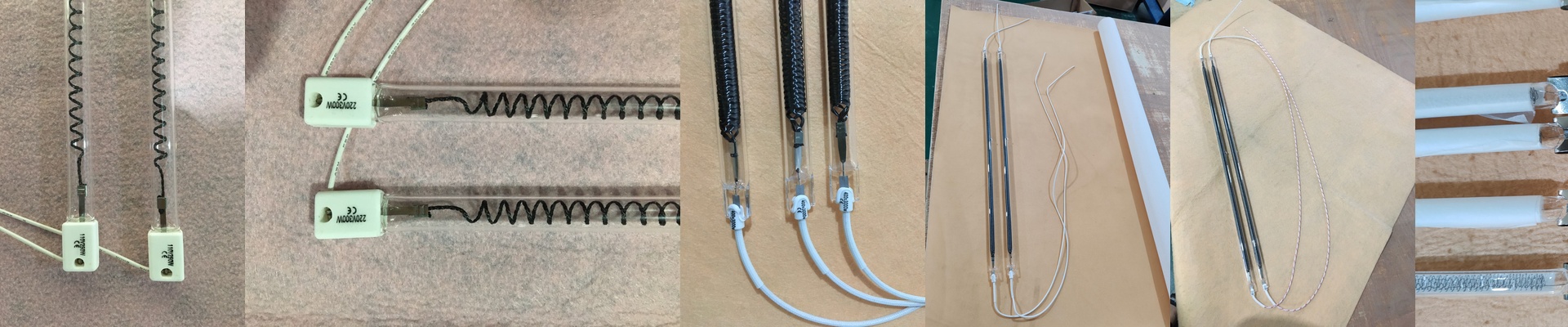
Carbon Fiber Infrared Lamps: The Real Deal for Industrial Heat
Let’s talk about the heating jobs that make you pull your hair out. The ones where you need intense, focused heat, right now, and it has to be rock solid. That’s exactly why we built these carbon fiber infrared lamps. Forget the flimsy heat lamps you’re used to. These are proper, engineered heating elements, designed to be a direct fit for serious industrial equipment. They pack a huge amount of power into a surprisingly small space.
What Makes Them Tick?
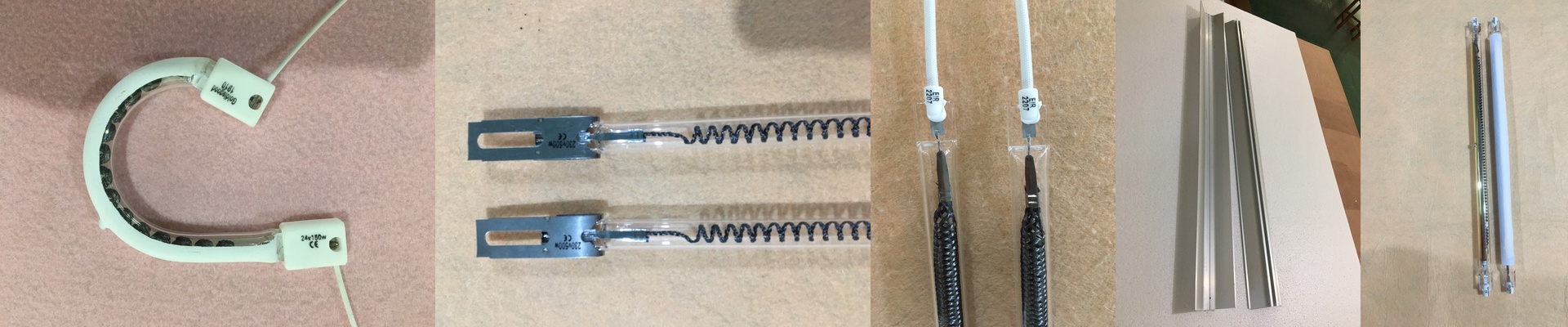
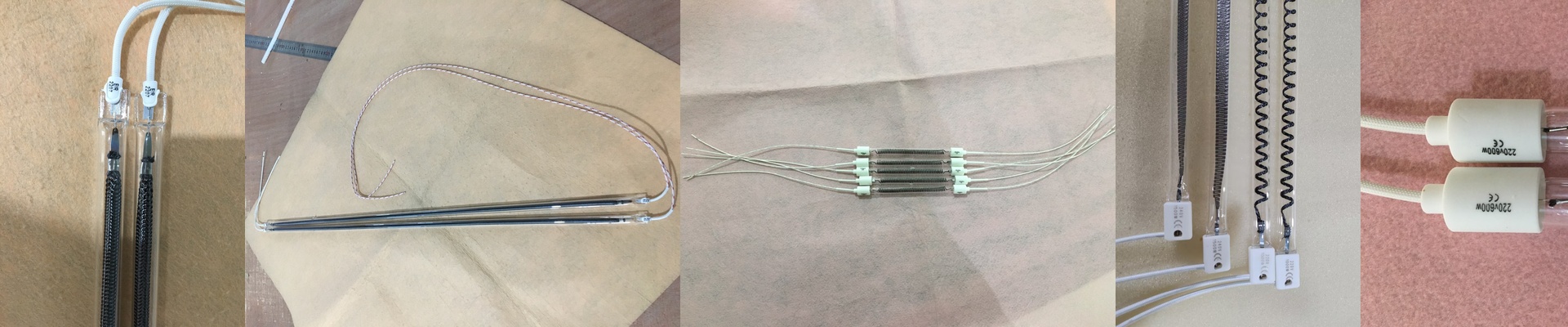
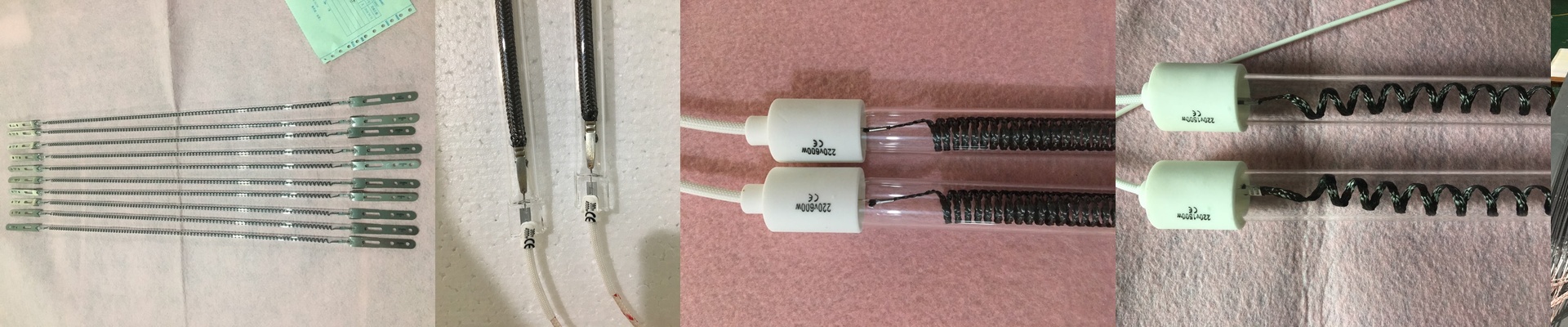
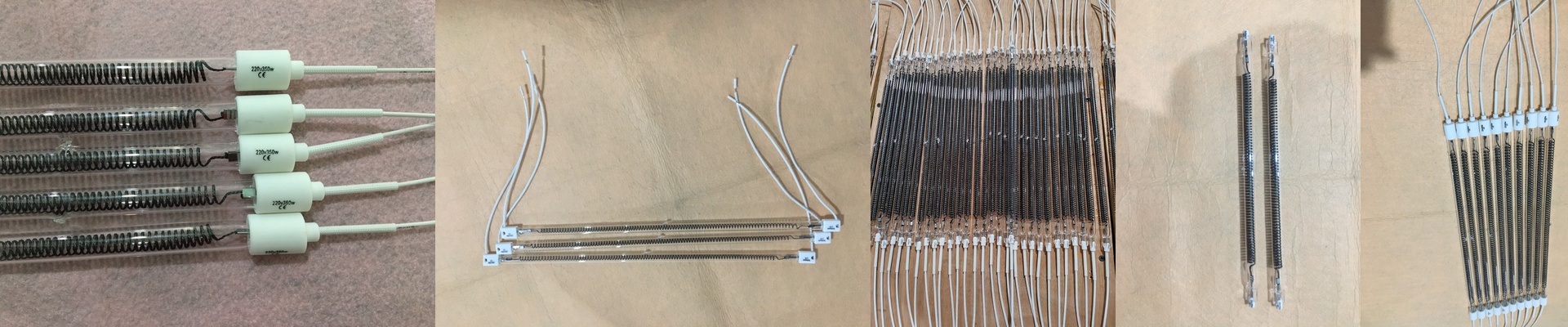
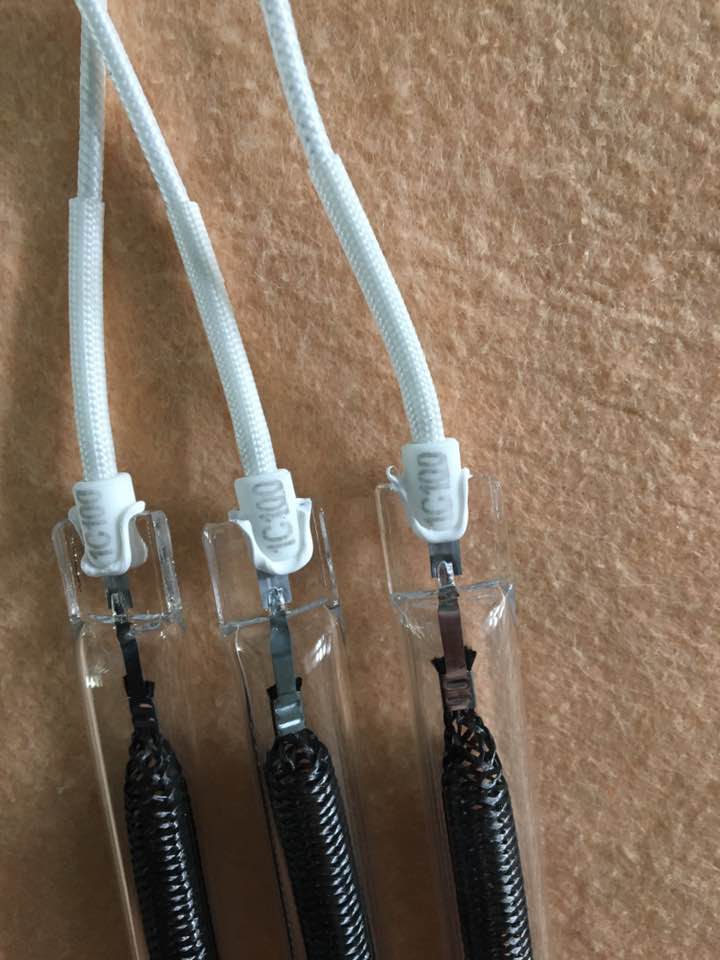
The heart of the whole thing is a carbon fiber filament, tucked inside a tough quartz tube. This combo is all about speed. It gets hot fast and stays steady, even when it’s running non-stop, shift after shift.
Power, Voltage, and the Important Details
The standard setup is 400V and 2500W of pure, concentrated heat. That’s a lot of power focused into a 300mm length, so you’re only heating the exact spot you need. No energy wasted on the surrounding parts. And because it runs on 400V, it plugs right into most industrial power systems. For a lot of setups, that means you can skip the hassle and cost of a step-down transformer. But here’s the thing—that kind of power is serious business. A 2500W load in a tube this size generates a lot of localized heat. You have to make sure your machine’s cooling and electrical system are up to the task. If the wiring is too small or the cooling isn’t enough, you’re just asking for trouble down the line. It’s a simple fact.
Built to Last
We pair that carbon fiber filament with a halogen gas fill. This isn’t just some fancy chemistry—it’s what keeps the filament clean and prevents the lamp from blackening over time. So you get consistent, reliable output for the life of the lamp. The quartz tube itself is built for the heat. It handles the extreme temperatures and gives you the mechanical stability you need in a rough industrial environment. For the connection, we use an R7s connector. It’s that double-ended, linear pin design. It gives you a secure, high-current connection that’s simple to wire up and easy to replace when needed. It’s a proven standard in the industry, which means these lamps are a straightforward drop-in replacement for what you’re already using.
Solving Real-World Headaches
This specific setup is built for the tough stuff—like PET blowing and plastic thermoforming. The carbon fiber filament responds instantly, hitting the temperature you need without a long, agonizing warm-up. It delivers focused infrared heat directly onto the material, not the air around it. What does that mean for you? Faster cycle times and lower operating costs. Plus, the design handles the shock of rapid on/off cycling, which is just a fact of life in automated manufacturing. For engineers, it means a heating element you can rely on. It works easily, performs consistently, and you can basically forget about it until it’s time for a replacement.