Stopping the Crack: A Better Way to Cure Brake Pads
Curing brake pads is a bit of a tightrope walk. If you hit that friction material with heat too fast—or if the heat hits one spot harder than another—you’re asking for trouble. You get thermal cracks and those tiny internal holes (porosity) that basically eat away at the pad’s strength. In the real world, that means the pads fail way before they should. The old way? Convection ovens. But let’s be honest, those are clunky. We’ve found that switching to precision infrared (IR) heating is the way to go.
Why IR Actually Works
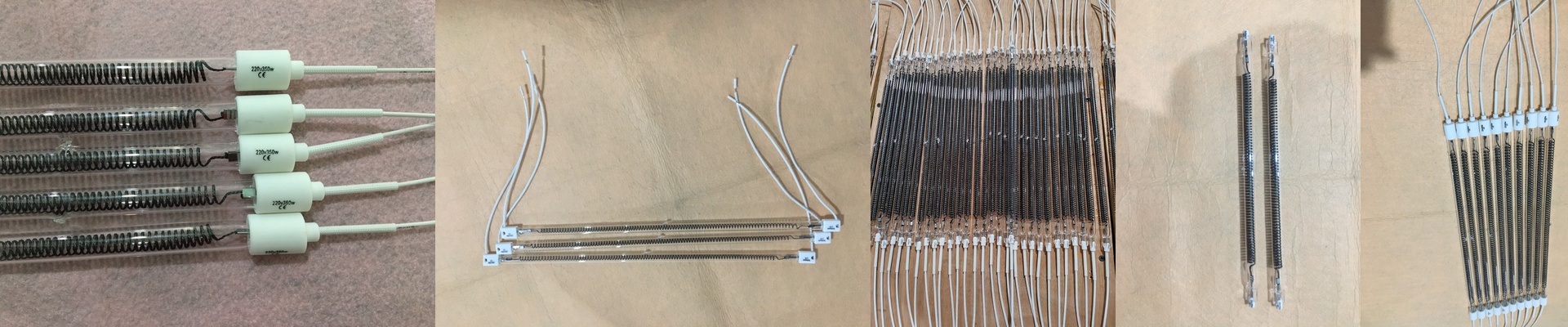
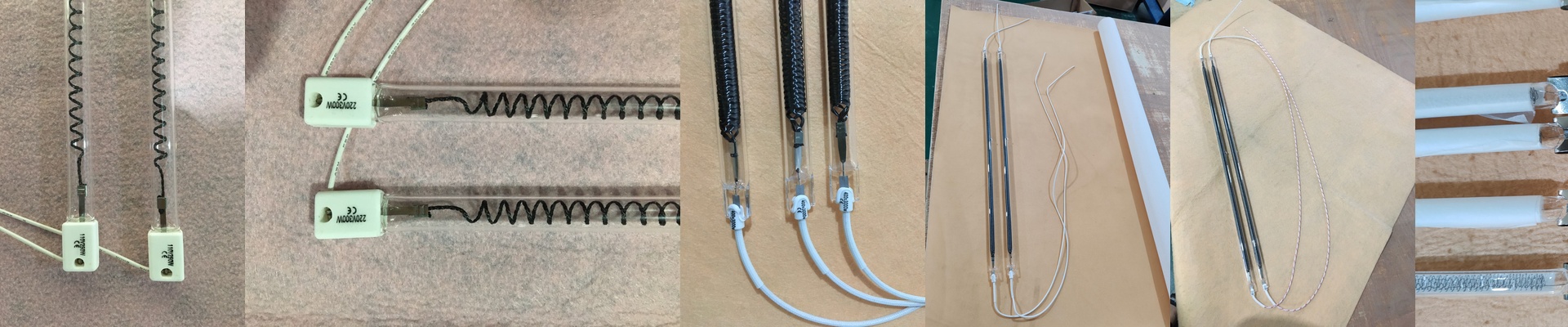
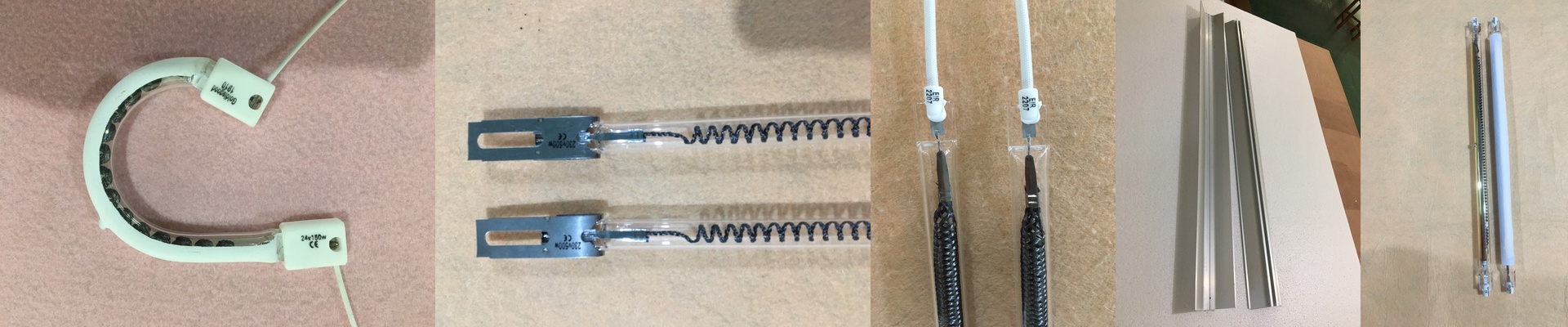
Here is the thing about convection: it relies on air. And air is just bad at moving heat. IR is different because it dives straight into the composite material. We use short-wave or medium-wave emitters so we can nudge the temperature up in tiny, controlled steps. By picking the right wavelength, we can get the core of the pad up to temp without scorching the surface. It stops that annoying “skin effect” where the outside hardens too fast and traps gases inside. No trapped gas means no holes.
Getting the Heat Just Right
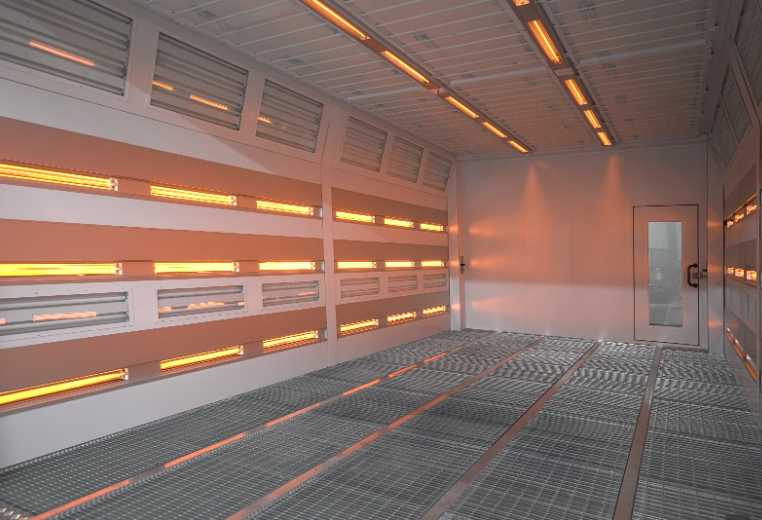
You can’t just blast the parts with heat and hope for the best. That’s a recipe for disaster. Instead, we use zoned heating. Think of the curing tunnel as a series of stages. The first zone just warms things up. The second one triggers the chemical cross-linking. The third one settles everything into place. Plus, we hook these up to closed-loop pyrometers. If the surface temp jumps even 5°C over where it should be, the system kills the power instantly. It keeps the material from expanding too fast, which is exactly how those micro-cracks start.
The Trade-offs (The Honest Part)
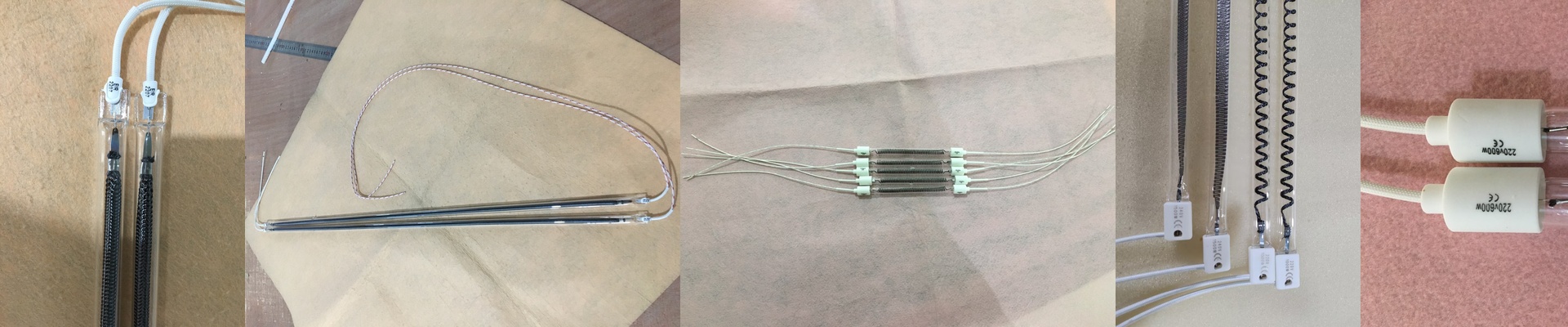
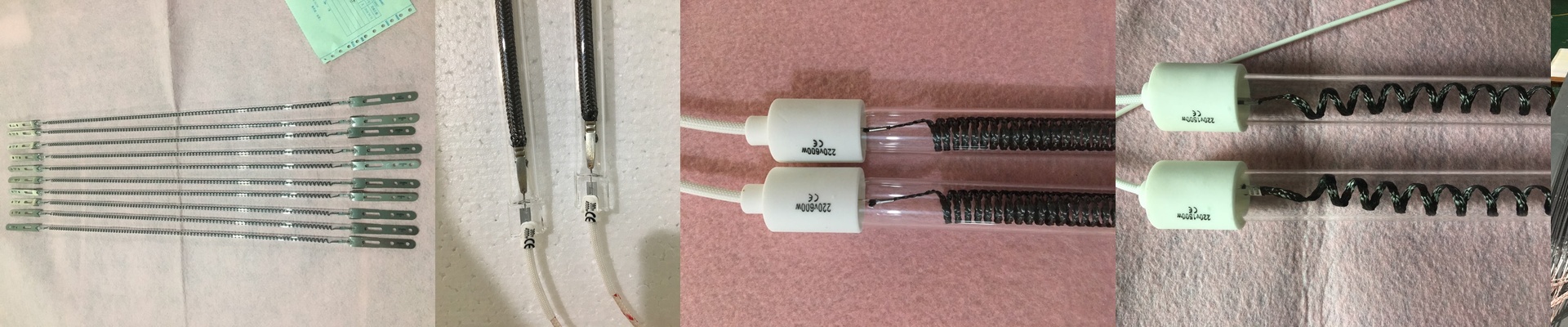
It’s not all magic; there are some things you have to plan for. High-density IR arrays are fast. Really fast. But they pull a lot of power. You’ll need to make sure your electrical panel and switchgear can handle the heavy current draw, or you’ll be tripping breakers all day. Also, remember that IR is line-of-sight. If your pads are stacked or spaced weirdly, you’ll end up with cold spots. You’ve got to make sure the heater’s footprint matches the shape of your parts perfectly. If it doesn’t, you’re right back to square one with uneven curing.