Precision Infrared for Brake Pad Curing
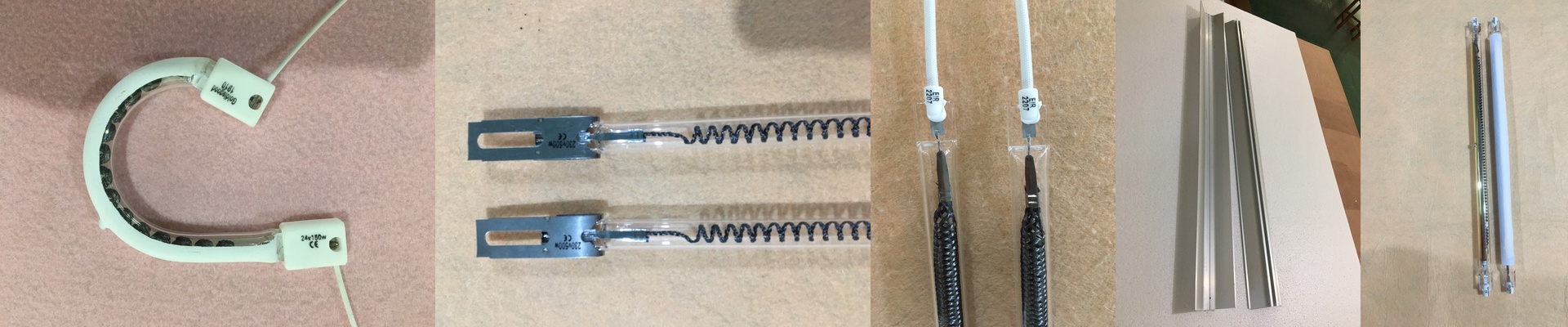
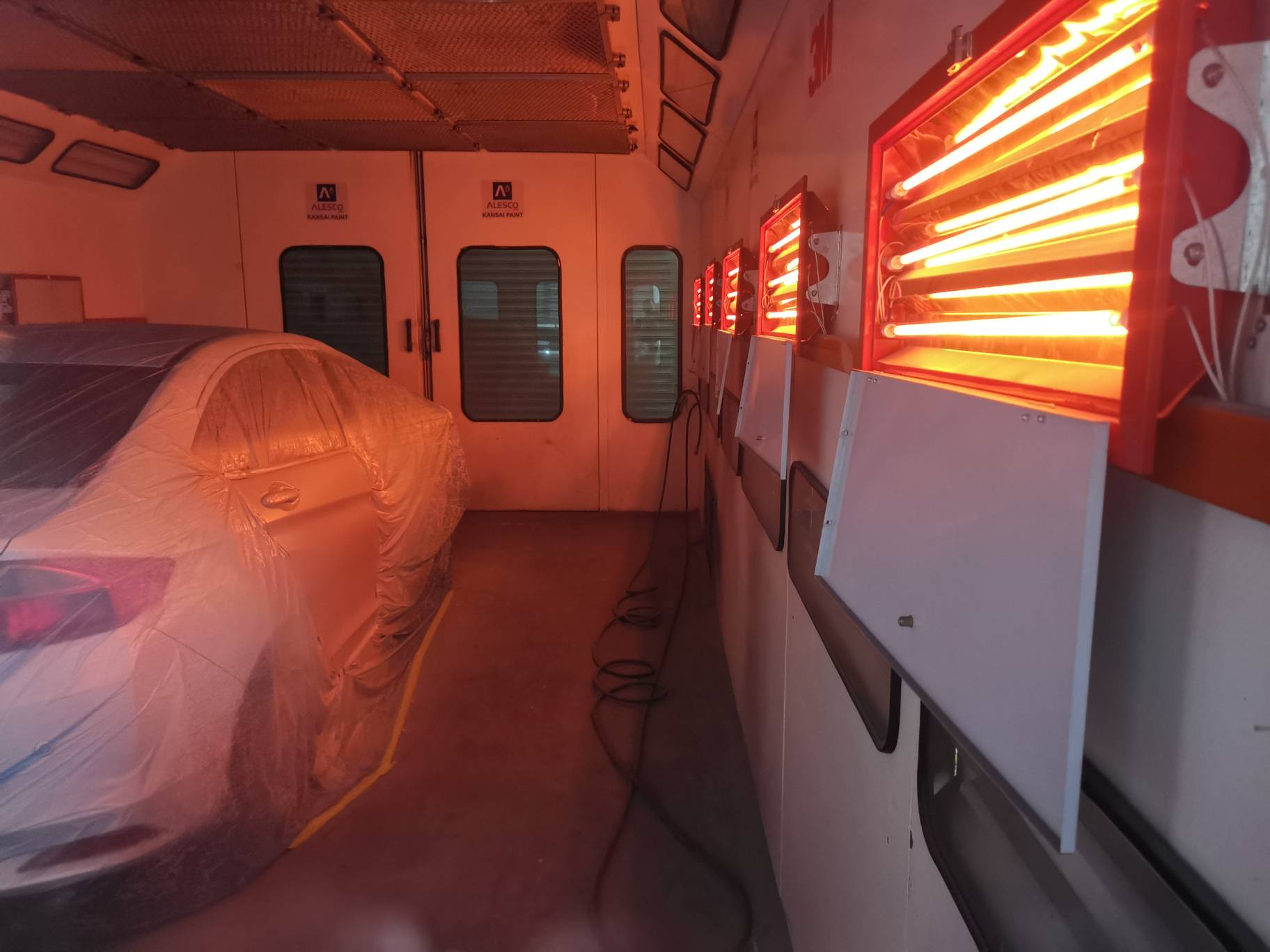
We built this infrared lamp for one job: the brake pad line. Its purpose is straightforward—hit the friction surface with intense, repeatable heat, without turning the backing plate into a hot potato. And if you’re running ceramic and semi-metallic pads on the same line, you know the headache. They soak up heat differently. This lamp hands you the control to match the profile to each material, so the heat lands exactly where you want it.
Power, Voltage, and a Compact Footprint
Here’s the setup, plain and simple. We went with a 400V configuration, because that’s what most industrial plants run on. Paired with 2500W of output packed into a 300mm tube. That combo gives you serious heat density in a small footprint. So you can focus the heat on the exact spot on the pad, without warming everything around it. Plus, the 400V input lowers the current draw, which keeps your wiring and contactor sizing manageable. One thing to keep in mind: that 2500W needs proper cooling. Make sure your setup can keep the lamp and nearby components at a steady operating temperature, and you’re good.
Halogen, Quartz, and the R7s Connection
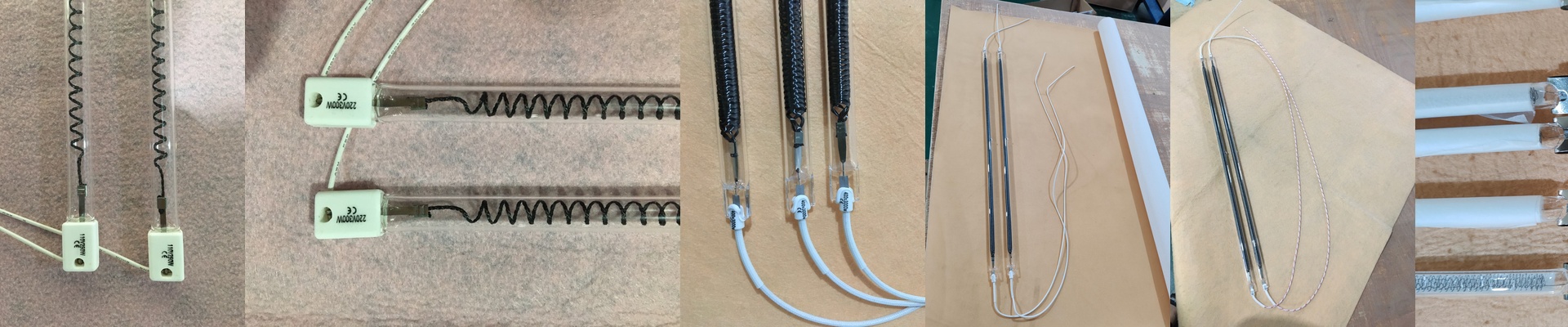
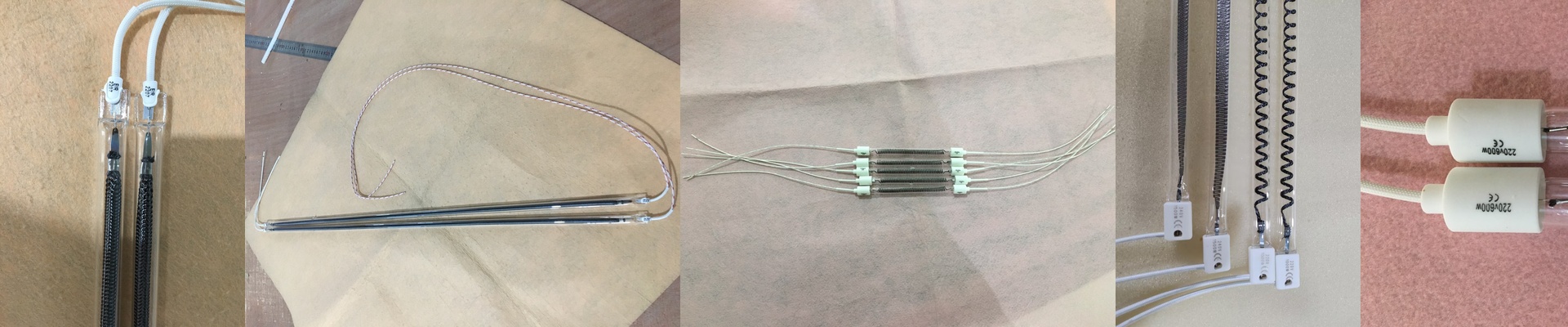
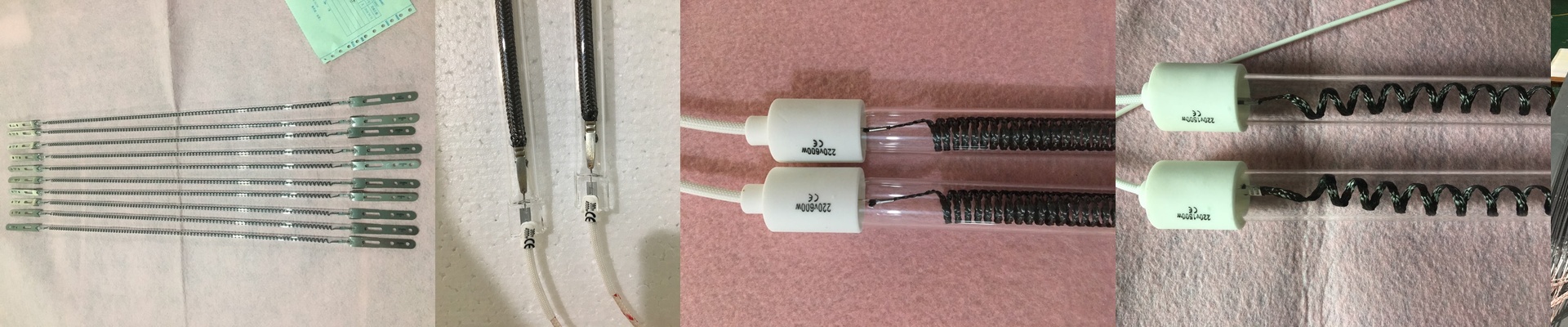
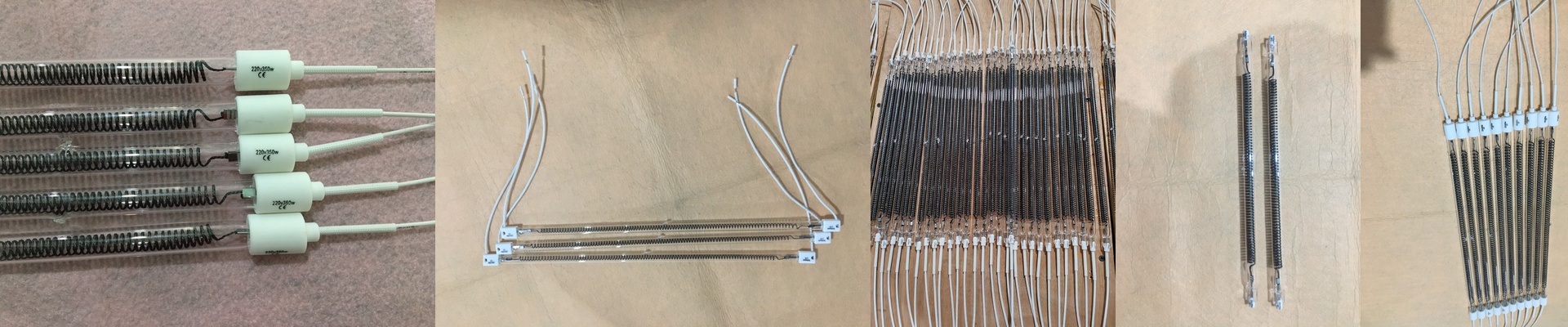
Inside, we use a halogen element in a quartz envelope. Halogen gives us fast response and a steady output. Quartz handles the thermal shock and stays clean, even when you’re cycling the system over and over. The tube is coated to manage the spectral output and stand up to the grit and grime of the shop floor. And the connector? It’s R7s—a proven, two-pin ceramic design that can take the heat. It makes the lamp a true drop-in replacement. Wire it once, and it stays put. No fiddling.
Matching Heat to the Material
Ceramic pads and semi-metallic pads don’t absorb heat the same way. Get the curve wrong, and you’re looking at uneven curing, glazing, or stress on the adhesive. Our infrared solution lets you dial in the profile for each material—tweaking the intensity and dwell to match how it actually absorbs heat. The payoff? Consistent surface treatment, solid bond line integrity, and fewer surprise stoppages on the line. You get repeatable results without having to redesign the whole oven.