Introduction
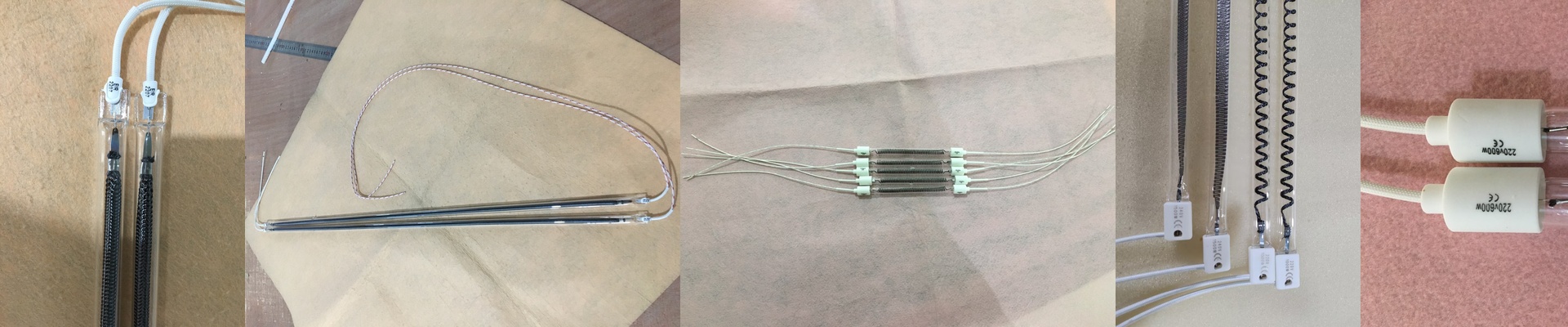
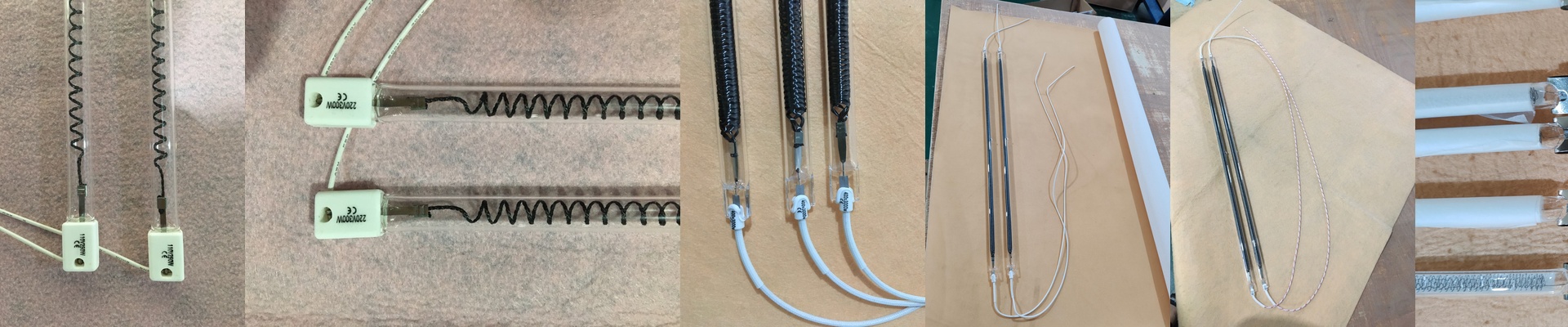
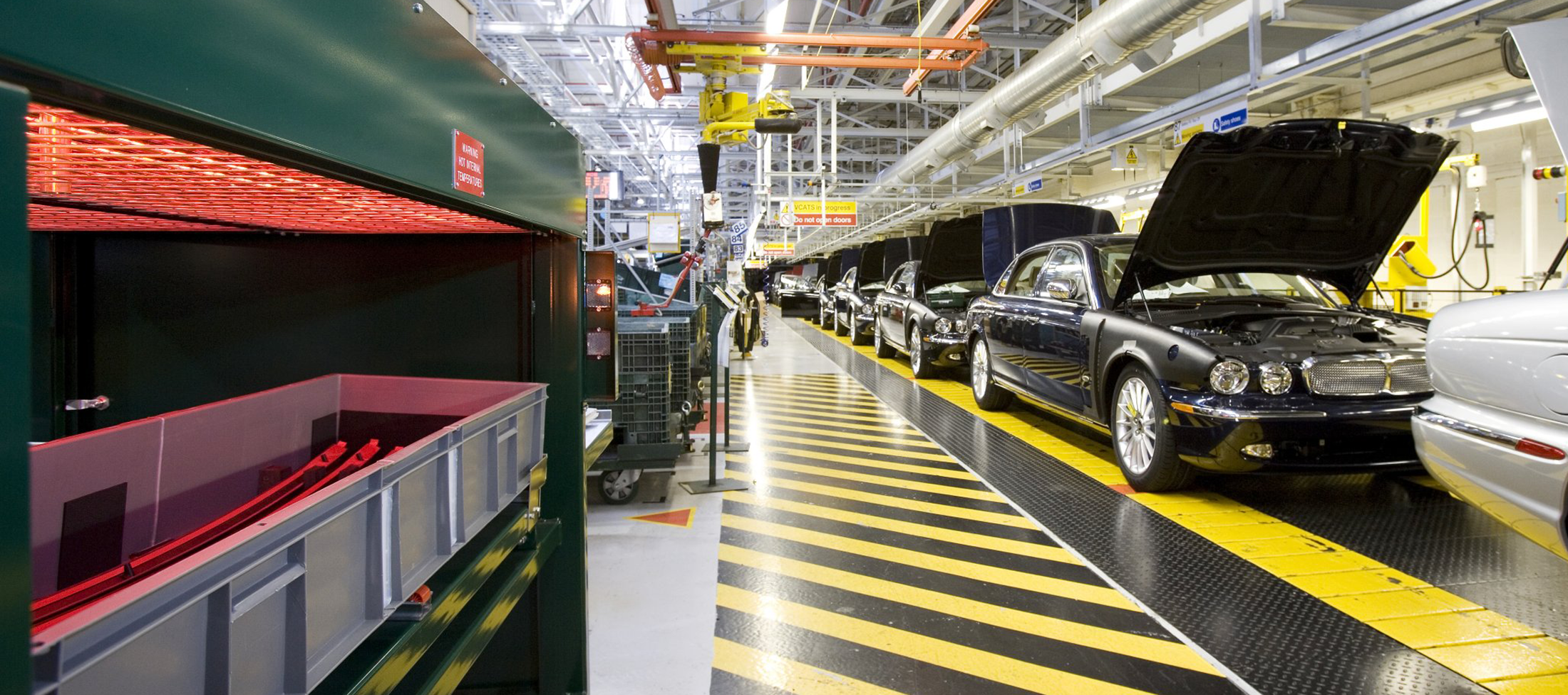
Let’s cut to the chase. We build industrial infrared heating elements for one very specific, high-stakes job: making automotive brake pads. On the factory floor, the headache is always the same: heat instability. Parts warp during forming and then fight you with spring-back. Our solution? We hit them with focused shortwave infrared energy. It’s how we wipe out internal stress and lock the dimensions in place, right where they need to be.
Power, Voltage, and Zone Control: Getting the Heat Right Where You Need It
When you’re making brake pads, precision is everything. You need heat on the friction material, and you need to leave the backing plate alone. So we spec our heating elements to pack a serious punch into a small footprint. They typically run on 400V, which handles the power draw without pushing your wiring to its breaking point. This voltage keeps conductor sizes manageable and stops voltage from dropping off across those long runs in multi-zone presses. But zone control is about more than just temperature. It’s about controlling the entire thermal profile across the part. By segmenting the heat, you can ramp up the temperature on the friction material fast, while keeping the backing plate much cooler. That’s what prevents warping. It’s the kind of precision that stops the part from snapping back out of spec the second the press opens.
The Gear: Halogen Elements and R7s Connectors
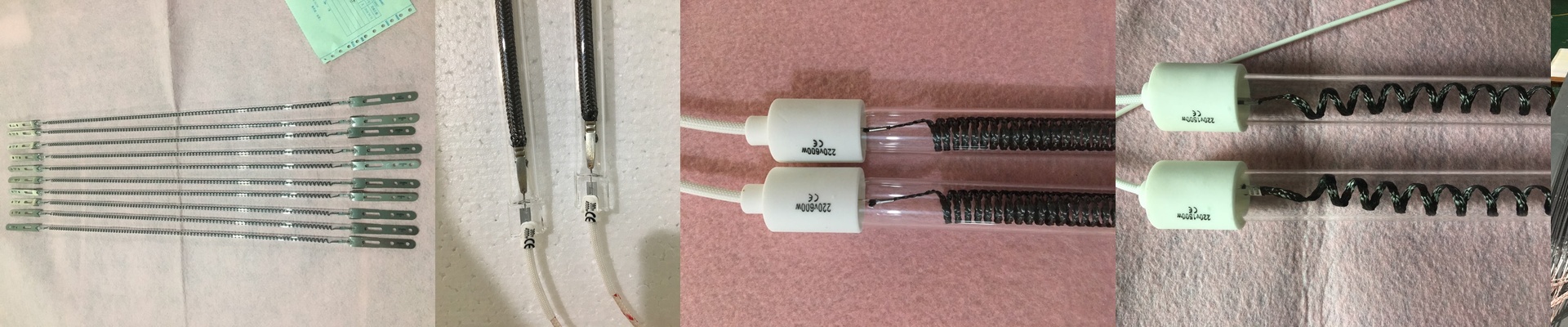
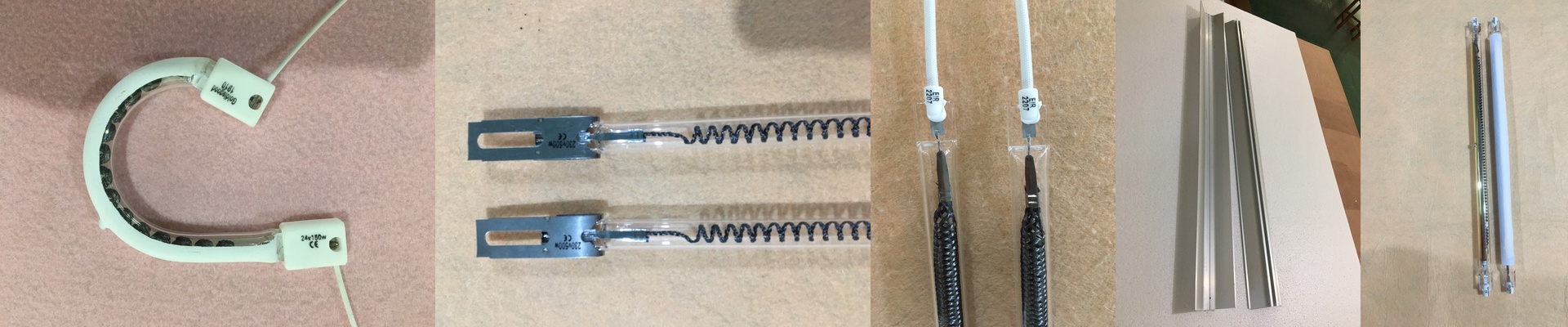
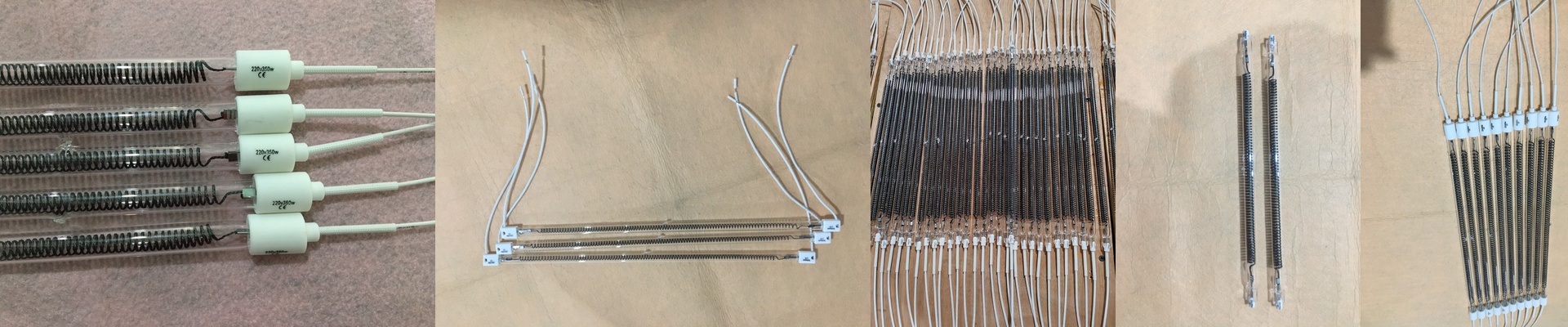
We use halogen-filled quartz tubes because they’re fast and give you tight control. The filament stays clean for longer, and the output stays stable, even after thousands of heat-up and cool-down cycles. The quartz coating is engineered to manage emissivity and handle thermal shock, so the tube can take the daily abuse without cracking. And the connectors? They matter more than you’d think. R7s ends are an industrial-grade, drop-in solution that can handle high current and the rough handling of the factory floor. They lock in solid, reduce arcing, and make swapping them out a quick job when the line needs to change over. You wire it up once, and it stays put.
The Payoff: Stress Relief and Dimensional Control
Here’s what you get: parts that hold their size, a process you can count on, and a lot less scrap. Infrared heating gets rid of stress fast because it penetrates the surface without having to heat the entire tool. That means less energy used per cycle and a much cooler, more comfortable workspace around the press. Now, there’s a trade-off. High-density infrared elements dump a lot of concentrated energy, so your machine’s cooling and guarding need to be up to the task. But if you can handle the heat, you get a rock-solid process that keeps your brake pads flat, true, and ready for assembly.