Introduction
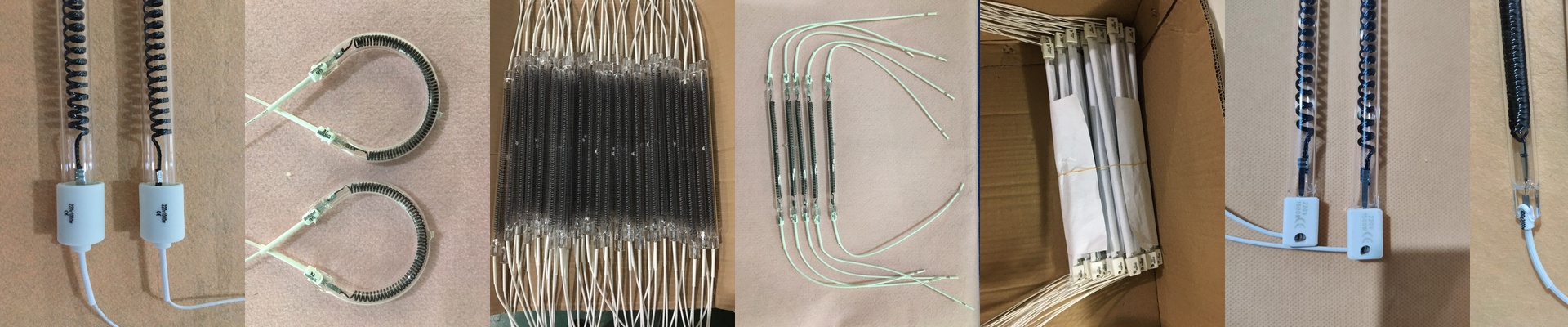
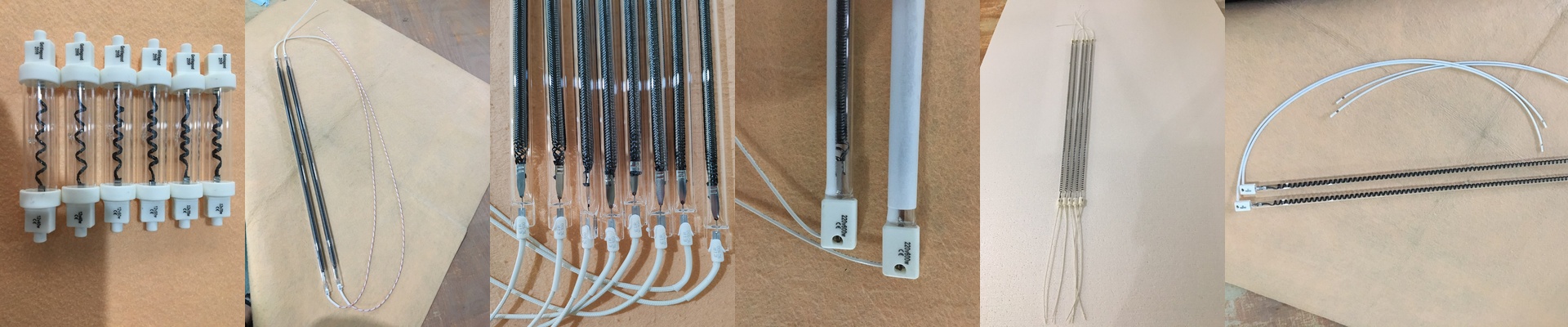
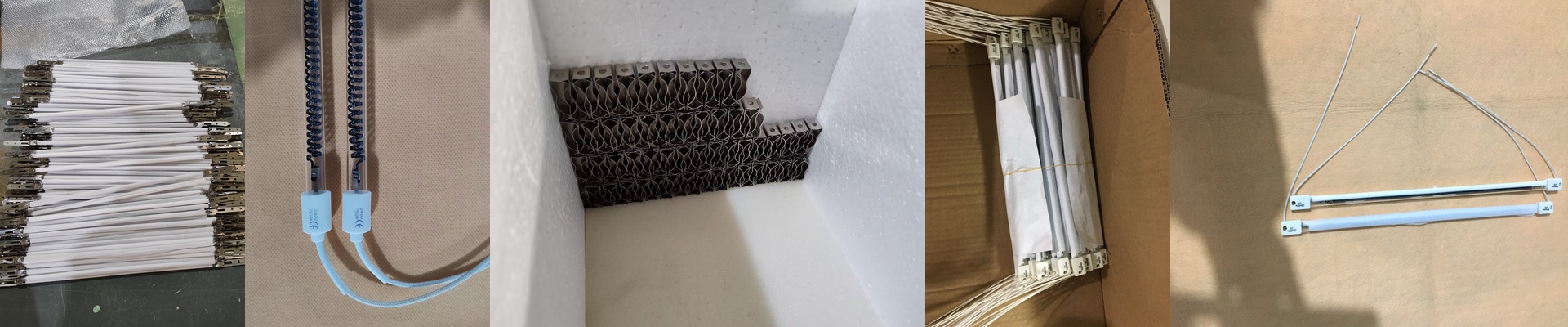
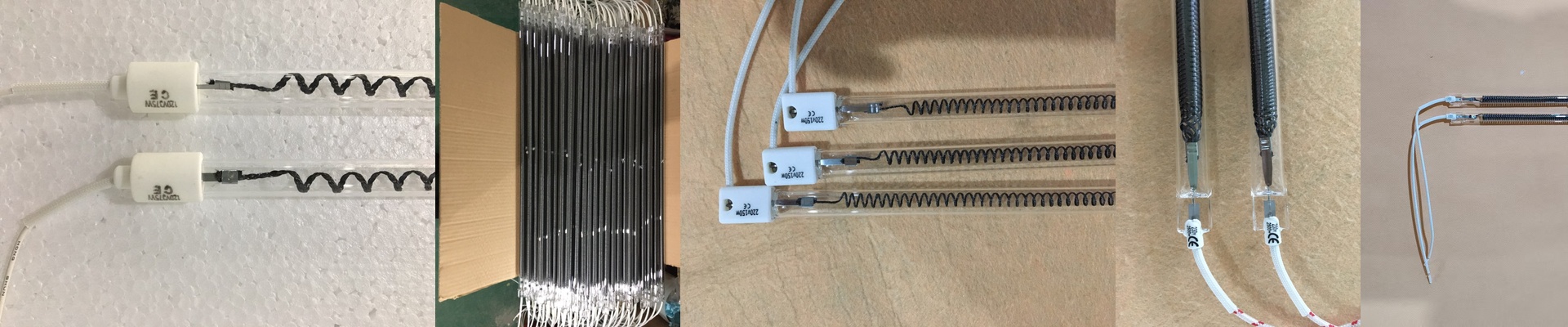
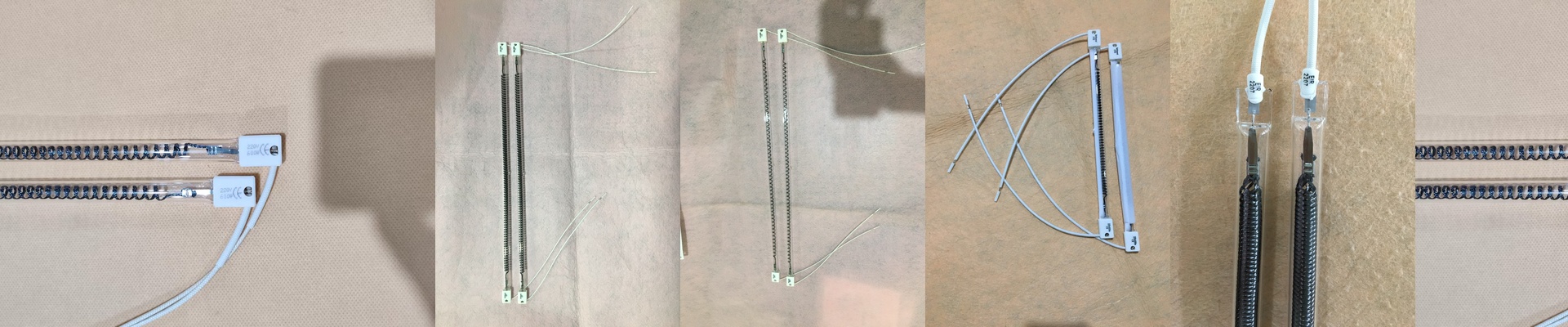
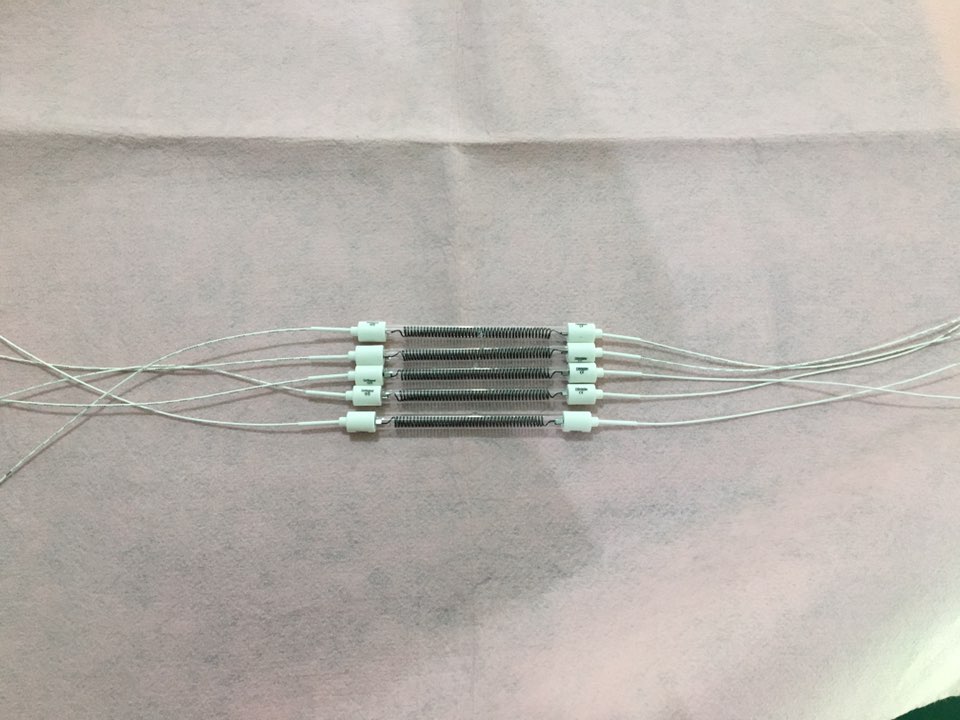
We make carbon infrared electric grill heating elements for engineers who need heat that’s both intense and dependable—especially when space is tight. These quartz-tube emitters fire up fast and hold steady, which is exactly what you want when you’re building health care equipment that has to heat cleanly and with real control.
Power, Voltage, and Size: What It Means on the Bench
These elements are built around one clear goal: packing a lot of heat into a small footprint, without turning your electrical design into a guessing game. The 400V rating tells you this isn’t for a standard wall outlet. It’s meant for industrial power, and that’s intentional. Higher voltage means you can run longer cables with less current, so you get less voltage drop and a heating profile that stays stable right where you need it. Wattage is simply the heat output—and when you spec a 2500W carbon emitter, you’re buying speed. It ramps up quickly and can hold target temperatures even when your cycles are short. Then there’s the 300mm length. That’s a footprint choice, plain and simple. It concentrates the heat into a defined zone, which is perfect when your equipment layout is tight and you can’t afford wasted space.
What’s Inside, and Why It Matters
Inside the quartz tube, the carbon filament runs in a halogen environment. That halogen gas helps extend filament life by slowing early degradation and keeping resistance stable over time. On the shop floor, that translates to fewer surprise burnouts and less downtime—the kind of reliability you notice when the machine is supposed to be running, not sitting idle. The tube also has a reflective coating that pushes more infrared energy forward, toward the target, instead of letting it spill sideways or backward. So you get better thermal coupling—more heat where you want it, less where you don’t. For hooking it up, we use R7s connectors. It’s a standard two-pin end-cap design that locks in quickly and keeps solid contact. It drops right into common sockets, so you can wire it without hunting for custom terminals.
Where It Shines—And What to Plan For
In health care manufacturing, these elements are a natural fit for heating stages where cleanliness, repeatability, and fast stabilization aren’t optional—they’re mandatory. The infrared output heats surfaces directly, instead of warming the surrounding air. That helps keep contaminants from circulating and makes your thermal cycles more repeatable, shift after shift. But here’s the honest part: 2500W at 400V is serious heat density. That means your machine’s cooling and thermal management have to be planned for it. Size the heat sink, airflow, and shielding to match the output, and you end up with a heating solution that’s reliable, easy to service, and ready for real-world work.