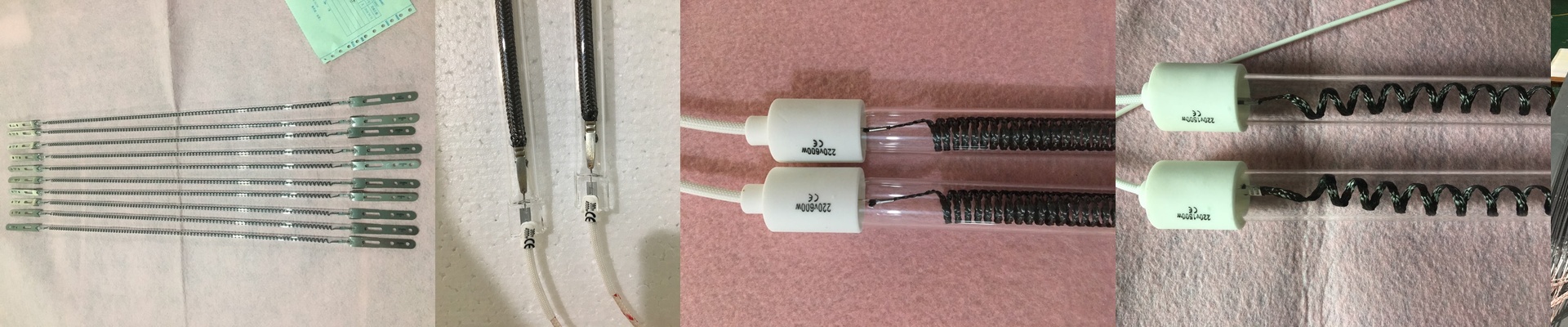
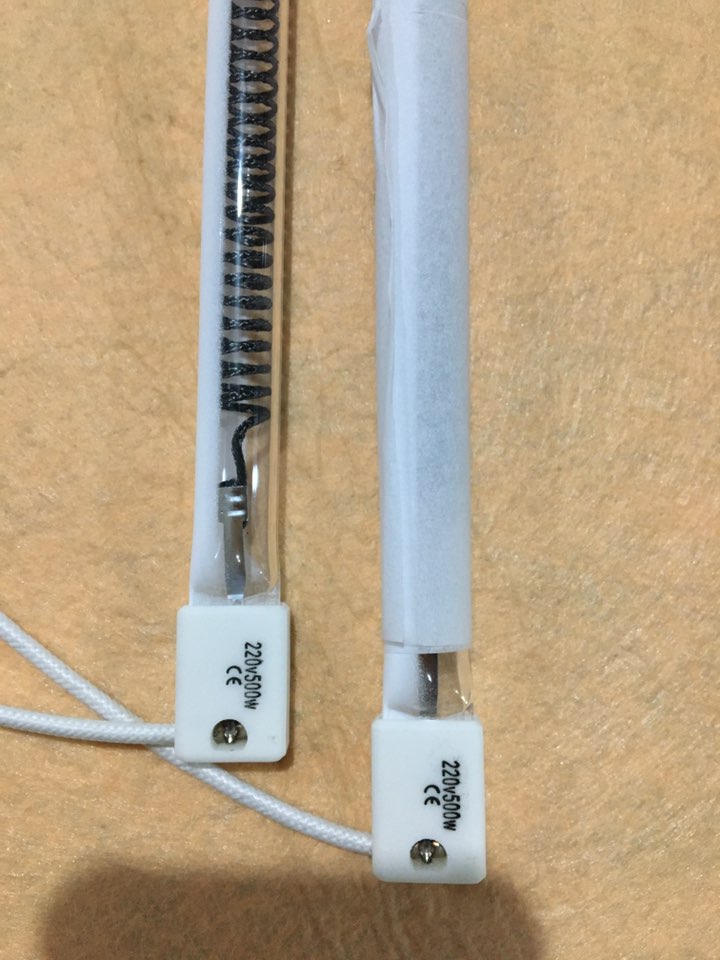
Meet the Carbon Halogen Infrared Heater
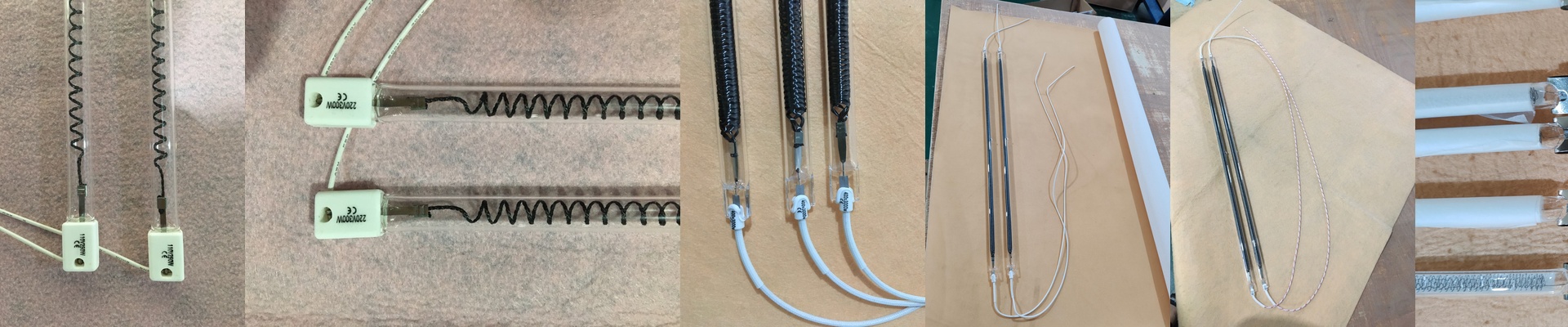
Okay, so picture this: you need serious heat, but you need it to be focused. Like, laser-focused. Not some gentle, all-over warmth. That’s exactly what a carbon halogen infrared heater brings to the table. This isn’t your average electric heater. It’s a specialized tool, built for one thing—delivering a hard-hitting, concentrated blast of radiant heat right where you need it most. Think industrial-strength power, packed into a purpose-built machine.
Power Under the Hood
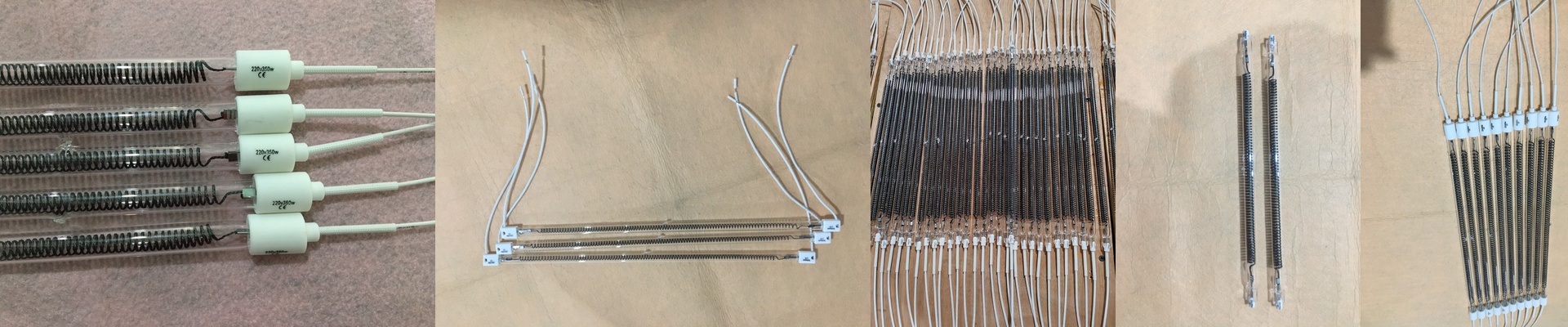
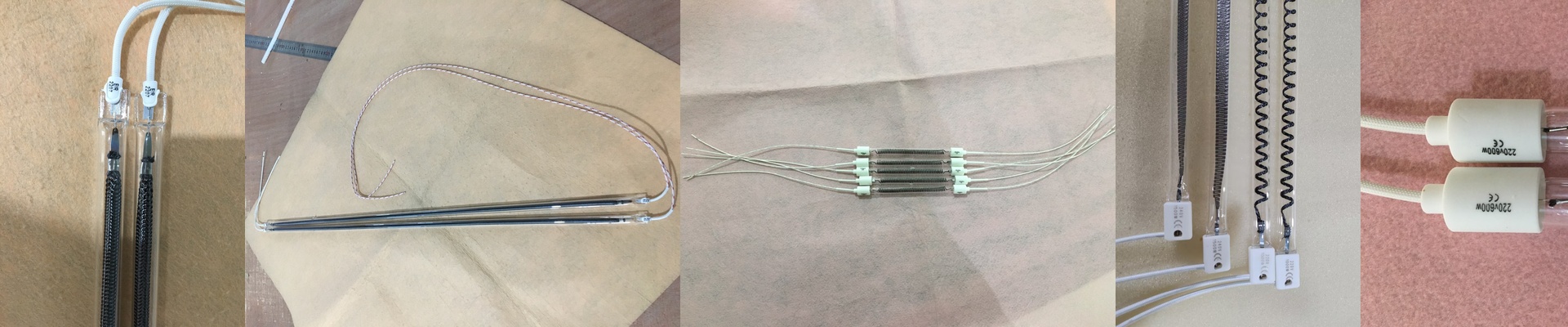
Let’s get down to the numbers, but I promise to keep it simple. These heaters run on a 2500W output, powered by a 400V supply. What does that mean for you? It means serious heat density from a surprisingly compact package. That high-voltage setup isn’t just for show. It allows the element to run hotter and cleaner than lower-voltage options, giving you a more stable, reliable burn. And the size? At just 300mm long, it’s designed to slip into those tight spots where bigger heaters just won’t fit. No need to overhaul your whole setup just to get the heat you need.
The Smart Stuff: Built to Last
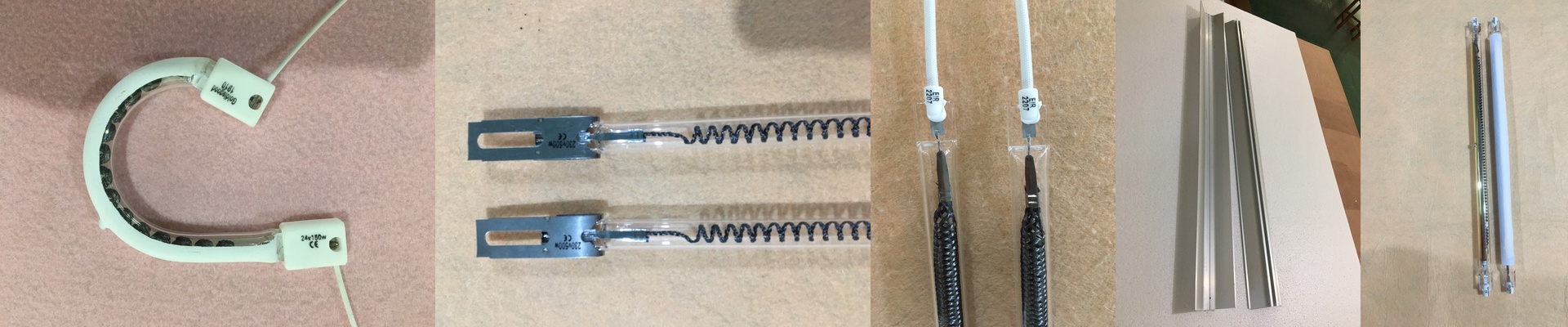
Here’s the thing about intense heat—it puts a lot of stress on the components. That’s why these heaters are built with a quartz tube. Quartz is tough. It can handle the shock of heating up fast and cooling down just as quickly without cracking. Inside that tube, a halogen gas protects the carbon filament. It’s like a bodyguard for the heating element, keeping it stable and preventing it from burning out prematurely. And the R7s connector? That’s just a smart, practical choice. It’s a double-ended, linear fitting that makes installation a breeze. Seriously, you just wire it up, line up the pins, and you’re good to go. No custom mounting hardware, no headaches.
Where It Shines (And What to Watch For)
These heaters really come alive in applications that need fast, targeted heat. Think plastic processing, curing, or drying. The infrared energy gets right to work, penetrating surfaces quickly. This means shorter cycle times and less wasted energy. But, and this is important, packing 2500W of power into a 300mm tube generates a lot of heat density. That’s a good thing, but it also means you need to be smart about your equipment’s cooling and thermal management. If you push this heater hard without managing the surrounding temperature and airflow, the nearby components can take a beating. So, plan your thermal budget from the start. Do that, and this unit will run reliably, cycle after cycle, no problem.