Carbon Heating Lamps: The Industrial Workhorse You Can Actually Rely On
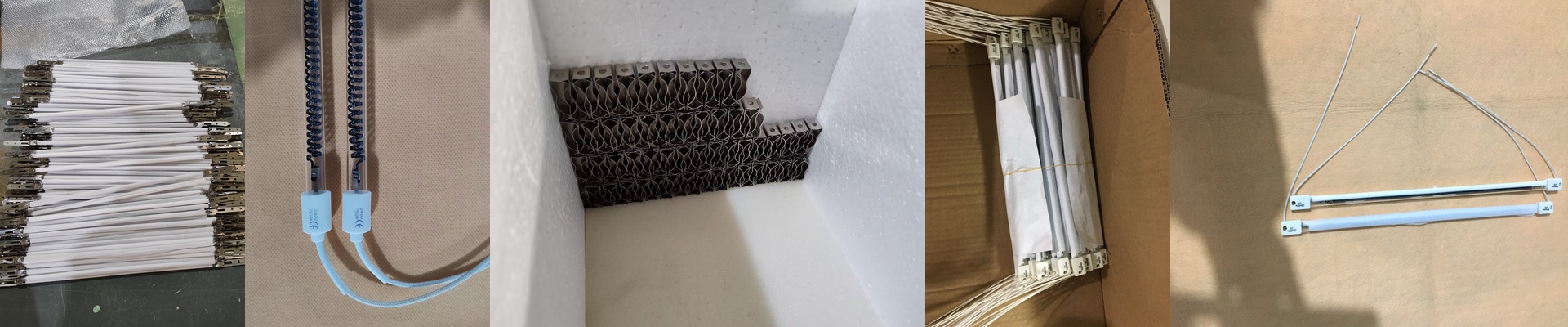
Let’s talk about carbon heating lamps. At the end of the day, these are just straightforward, hardworking infrared emitters. They’re built for one thing: delivering serious heat where you need it, when you need it. Whether you’re upgrading an old machine or building something new, they slot right in and get the job done.
What’s Under the Hood: Power, Wiring, and a Smart Design
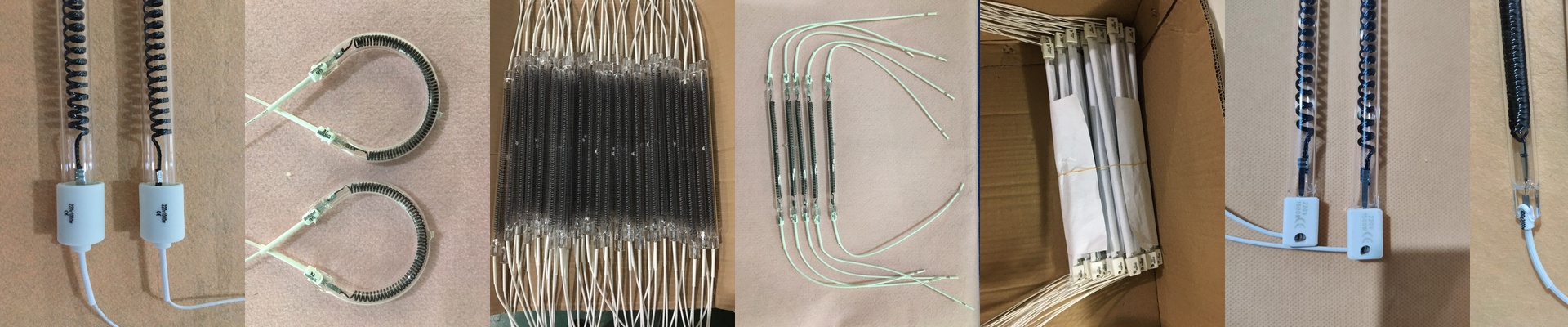
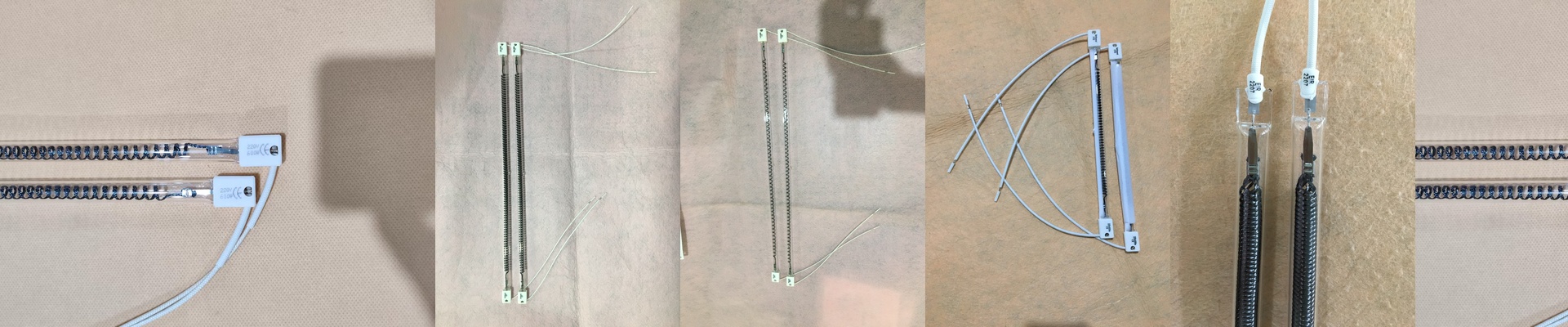
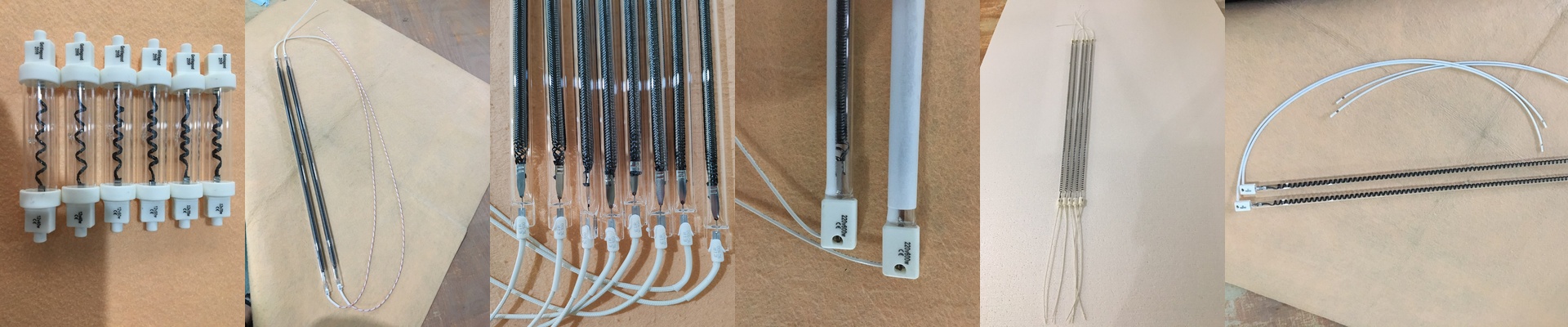
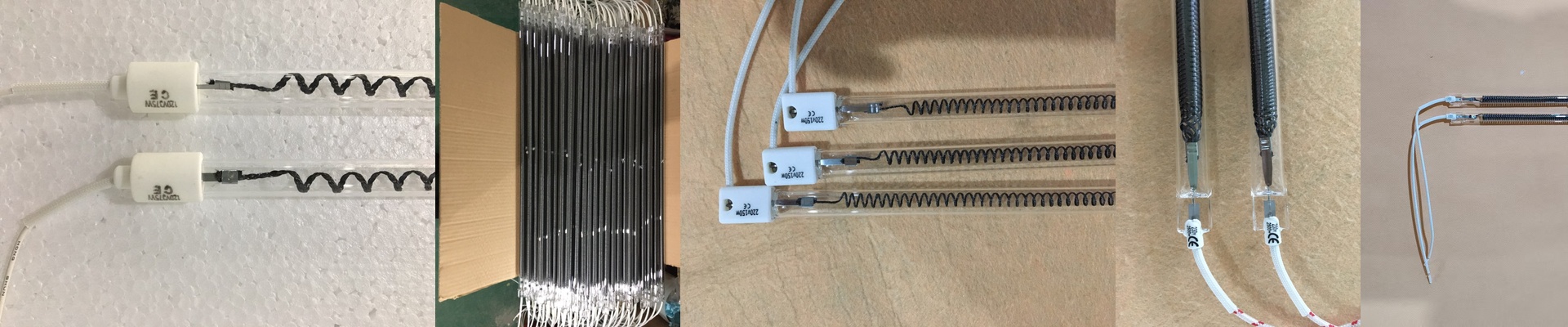
Here’s the thing about how these lamps are built. It all comes down to packing a lot of power into a small space. A typical unit runs on 400V and pulls 2500W, all funneled through a 300mm quartz tube. That voltage choice is actually a clever little trick. It keeps the current lower for the same amount of power, which means less stress on your wiring. You get to use thinner, more flexible cables, which is a huge relief when you’re trying to wrangle everything inside a tight control panel. And that 300mm length? It’s not just a random measurement. It focuses the heat into a tight, defined zone. So you’re heating the part, not the whole room. It’s efficient, precise, and honestly, a bit elegant in its simplicity. The 2500W rating isn’t just for show, either. It means you can crank up the temperature fast on things like plastic preforms, coatings, or adhesives. It’s fast. Really fast. But with that kind of power, you get heat. A lot of it. So you’ve got to plan for it. Make sure your machine has proper airflow or heat sinking ready to go. It keeps everything running smoothly and prevents things from getting too toasty.
The Secret Sauce: Materials That Make It Last
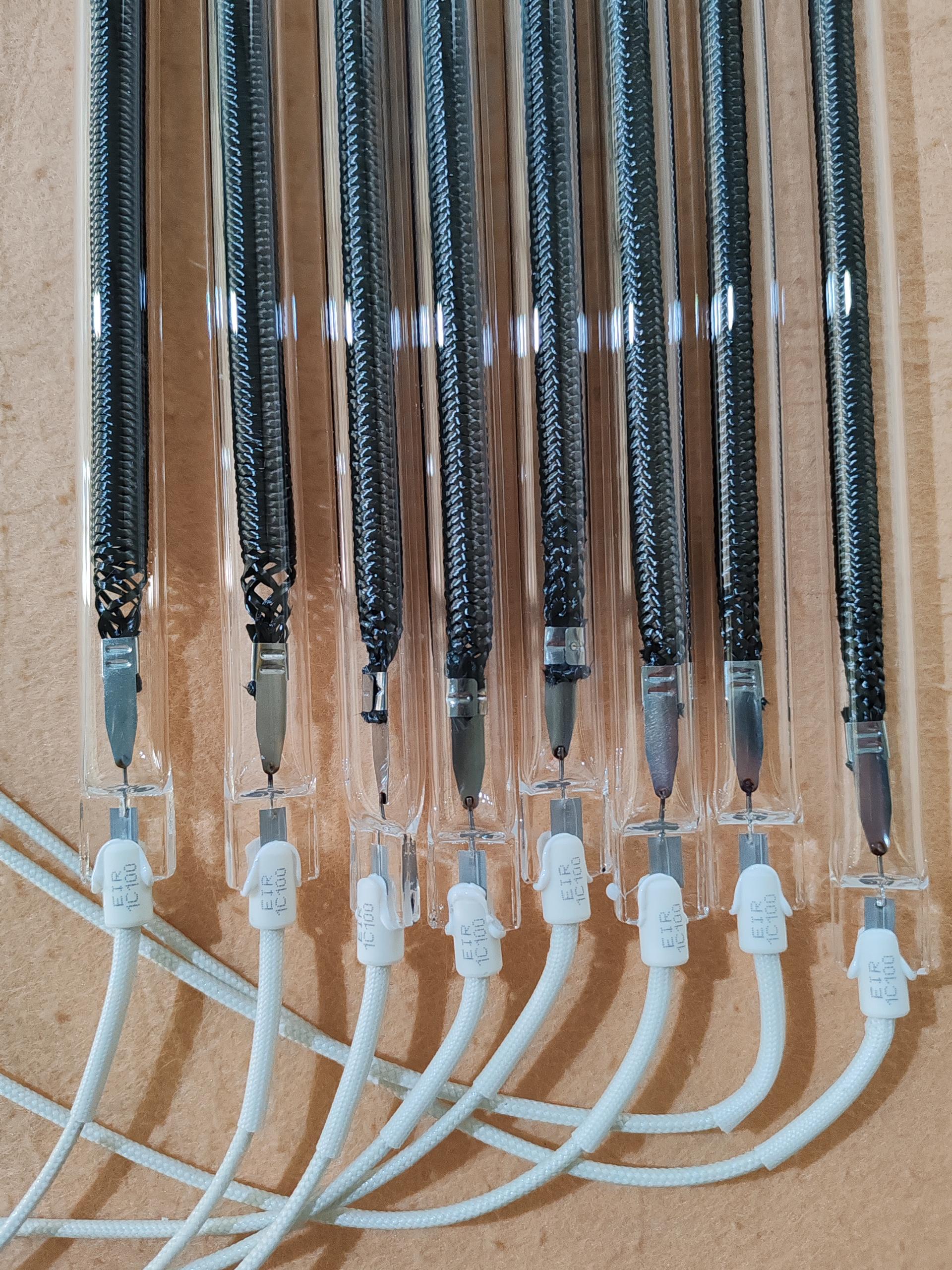
Inside, you’ve got a carbon filament snug inside a quartz tube. We often add a halogen gas tech to the mix, and it’s a game-changer for the lamp’s lifespan. The halogen cycle is constantly working, redepositing material back onto the filament. This keeps things stable, stops premature burnouts, and makes the whole thing tough enough to handle repeated heating and cooling. On a lot of models, we also add a special coating. It’s all about shaping the heat, pushing more of the energy into the 1–3 micron range. Why does that matter? Because that’s the sweet spot for how plastics and coatings absorb heat. So you get faster, more efficient heating, right where you want it. And for the connections, we stick with R7s connectors. They give you a solid, reliable contact, they can handle the high temperatures, and they make the lamp a simple drop-in replacement. When it’s time to swap one out, it’s easy. Just pop the old one, put the new one in, and you’re back online. No rewiring, no headache.
Where They Shine: Real-World Results
You’ll find these lamps hard at work in places like PET blowing, thermoforming, and curing lines. The kind of work where speed and consistent heat are non-negotiable. They pack a serious punch in a small package, give you control over the heat, and are a breeze to install. All of that translates to shorter cycle times and less wasted energy. You’re focusing the heat on the product, not the air around it. And you can count on them. They deliver consistent output for thousands of hours. Just remember, you’ve got to plan for the heat upfront. Set up proper thermal management, and you’ll keep the lamp and everything around it running safely and smoothly.