Getting Paper Drying Right with Carbon Fiber IR Lamps
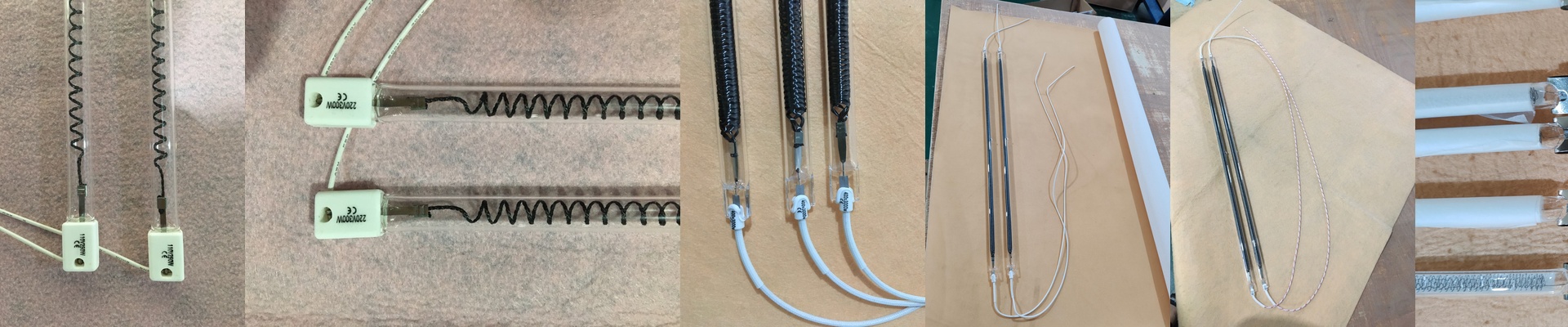
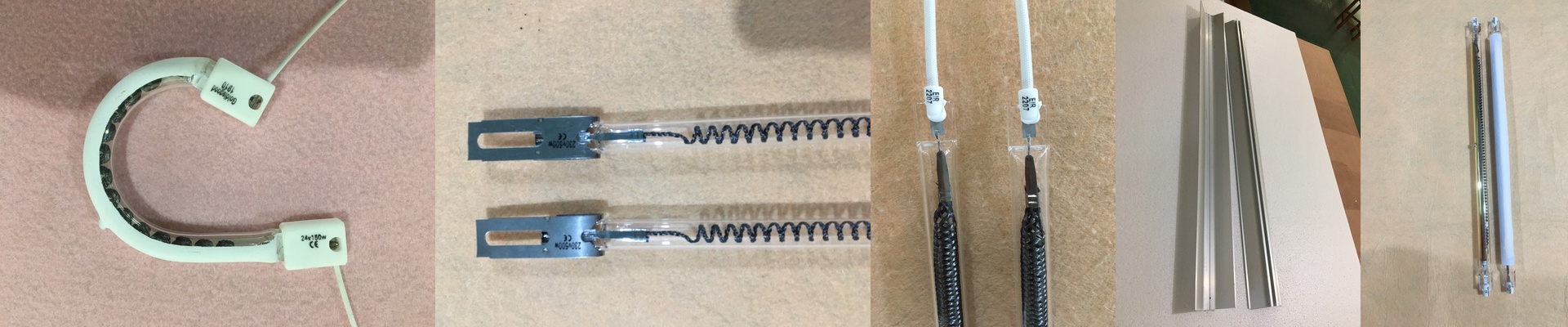
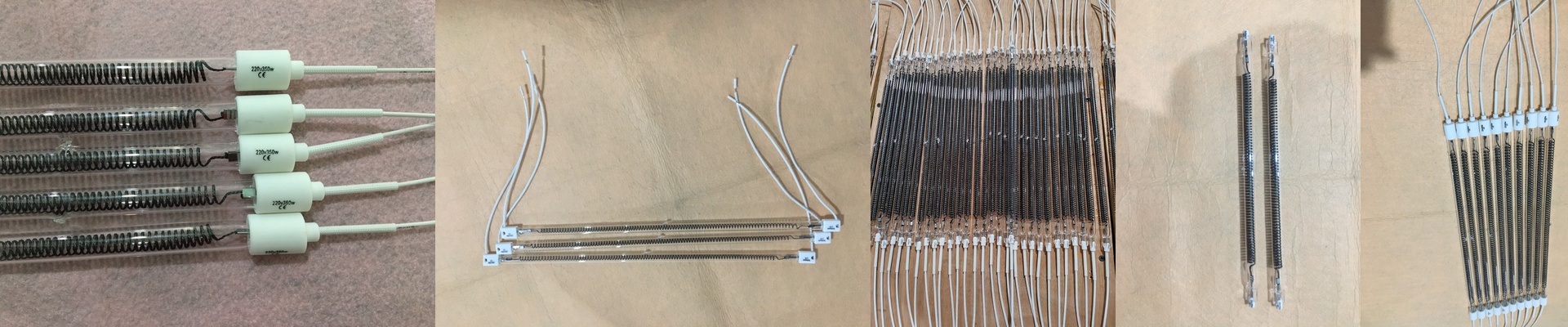
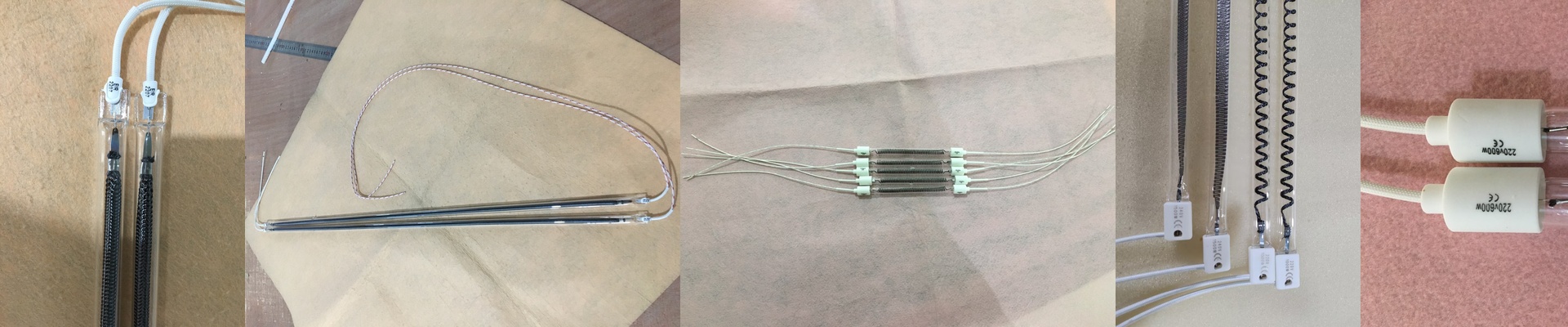
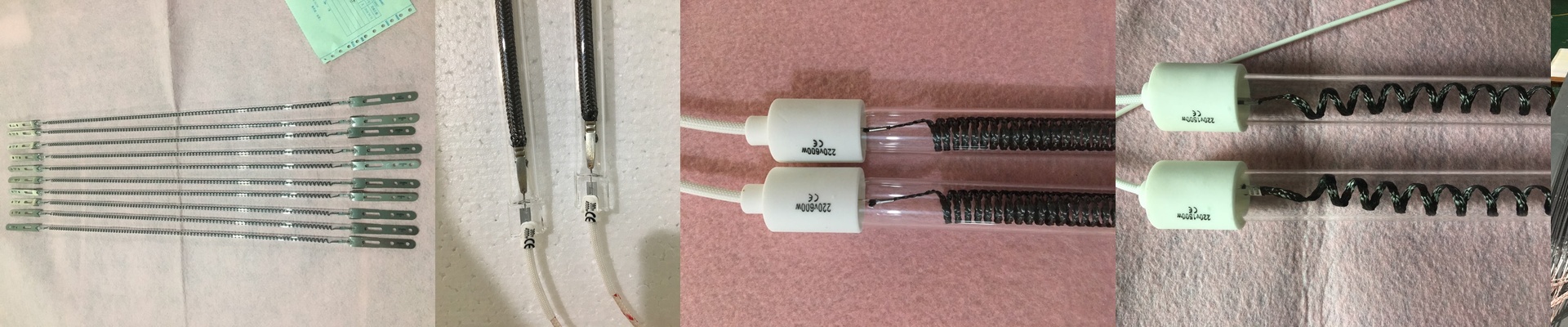
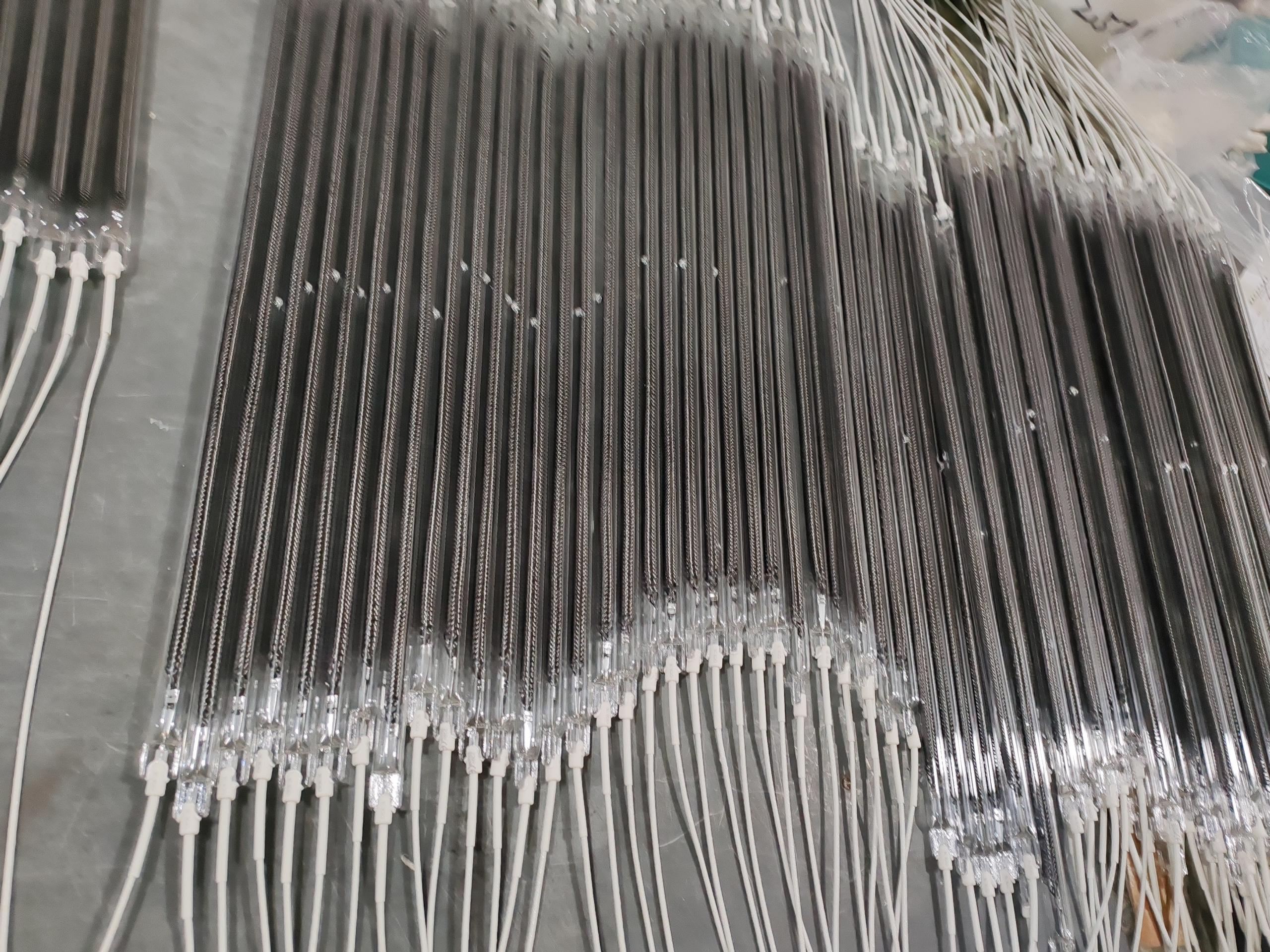
If you’ve ever dealt with high-speed paper drying, you know the struggle. You either end up with paper that’s still damp in the middle, or you accidentally scorch the surface. It’s a balancing act. That’s why we went with carbon fiber for our IR lamps. Standard quartz heaters are okay, but they tend to just hit the surface. Carbon fiber is different. It puts out a wider spectrum of heat that actually sinks deep into the fibers. It’s the difference between a quick sear and a slow roast—you get the moisture out from the inside without ruining the face of the paper. The secret is in the glass. You’ll see us talk about “ruby” or “half-gold” coatings. That isn’t just for show. The ruby glass acts like a shield, blocking those harsh UV rays that can mess up sensitive coatings. Then there’s the gold. It basically acts as a mirror, bouncing all that heat straight down onto the paper web. This is a lifesaver for your gear because the heat stays where it belongs instead of leaking into the machine frame and cooking your electronics. Plus, your electricity bill will thank you. Why carbon fiber over metal? Tungsten is fine, but it hates expanding and contracting. Carbon fiber handles the heat much better. The result? The heat is spread evenly across the whole tube. No “hot spots.” When you’re running a wide web, that’s exactly what keeps your paper from curling or warping. It just stays flat. A few things to keep in mind for the setup. These lamps are incredibly fast. They hit temperature in seconds. But here’s the catch: they pull a lot of power the moment you flip the switch. Make sure your wiring and contactors can handle that initial surge, or you’re going to have a bad day. To keep the tubes from burning out too early, I really suggest using a PID controller. It smooths out the power and makes the lamps last much longer. And remember, your wattage has to match your line speed. If you speed up the line, you’ve got to bump up the wattage or add more lamp banks. Otherwise, you’re just guessing, and that’s usually when the scorching starts.