Getting to Know the 400V Halogen Infrared Tube
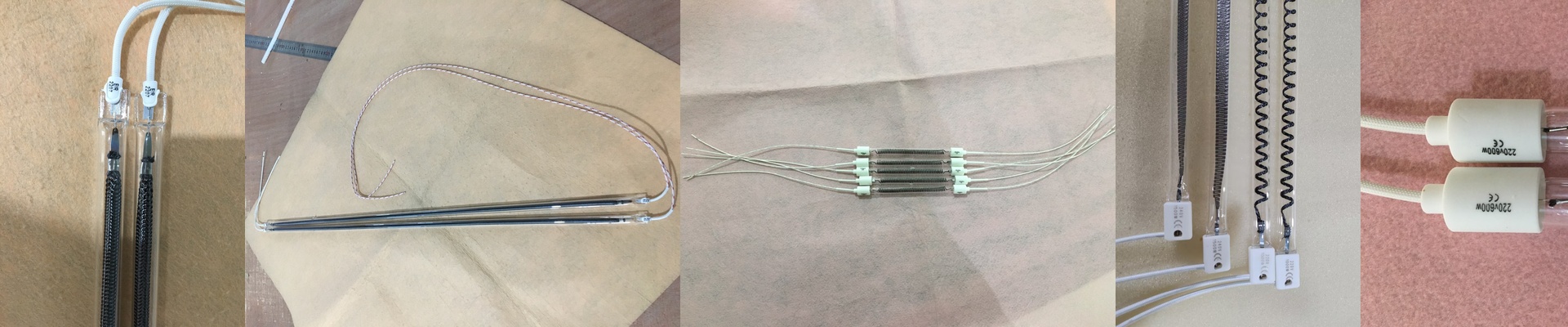
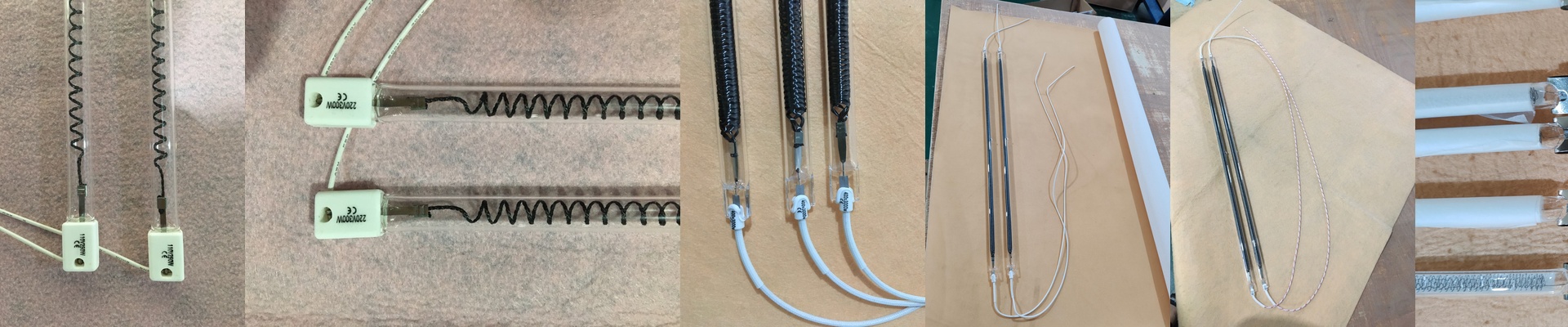
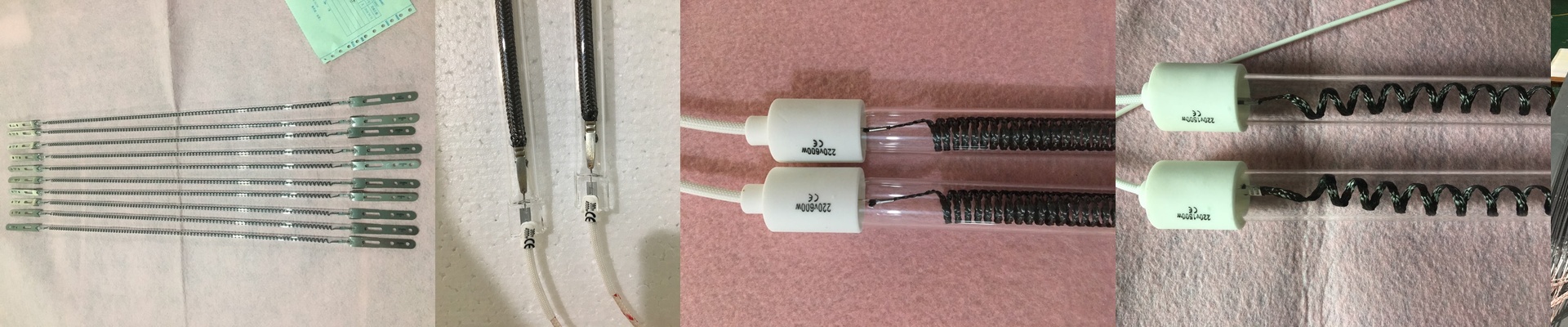
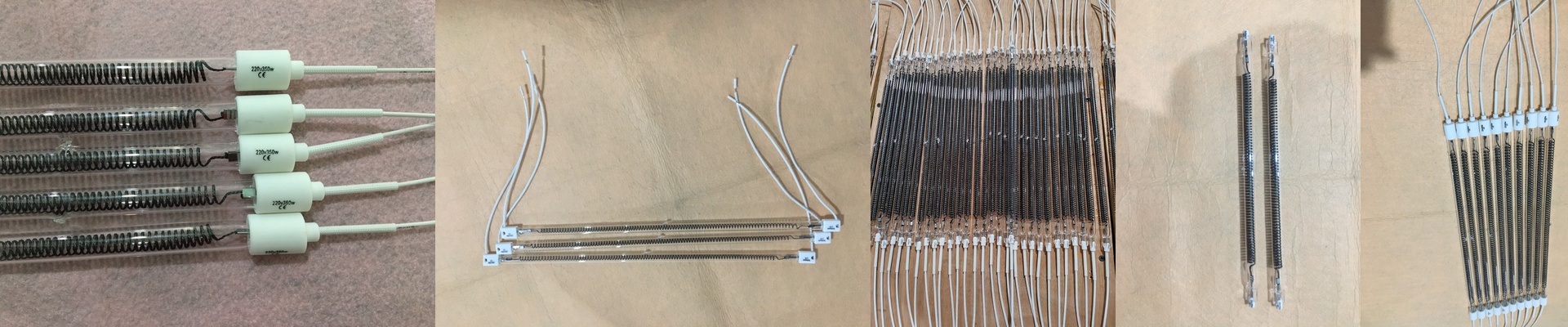
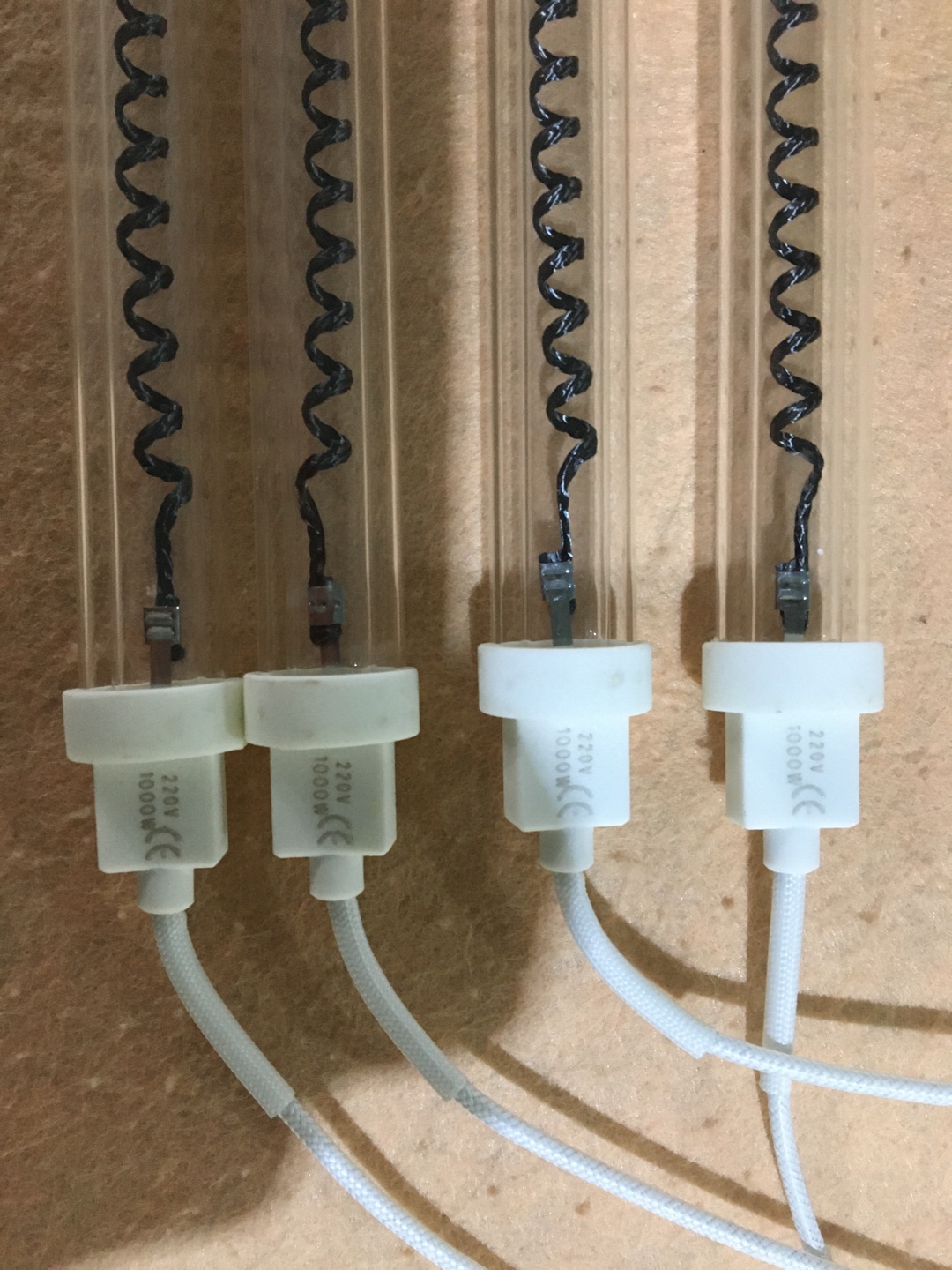
Let’s talk about these heating elements. We built them to be a straight-up replacement for the tough jobs on the factory floor. Forget about your standard quartz tubes. These are different. Inside, it’s all about a carbon fiber core, sealed up in a halogen-filled environment. The whole point? Delivering a hard-hitting, focused blast of infrared heat, especially when you’re working in a tight spot.
Why the 400V, 2500W setup?
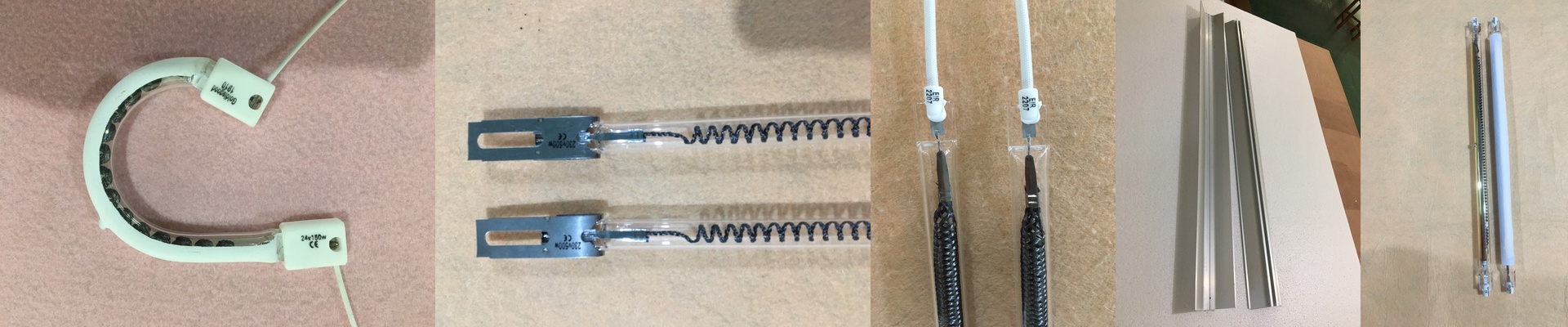
It’s simple. That rating gives you serious power in a small package. The 300mm length is a standard size, but what really matters is the custom shape. It lets you point the heat exactly where you need it. We built this for the engineer who just needs to swap out a burnt-out element and get the whole line running again, fast.
What’s it made of, and how does it connect?
The carbon fiber element is the heart of it. It resists the electrical current, and that resistance is what creates the heat. But the carbon doesn’t just get hot—it stays strong, even under extreme temperatures. Then there’s the halogen gas inside the quartz tube. It protects the filament from breaking down, so the whole thing lasts way longer than a standard open-coil element. The result? A tube that runs hot, and runs clean. And the connector? That’s the R7s. It’s a workhorse, designed to handle the high current of a 2500W load. It makes for a simple, drop-in replacement. The bi-pin ends just slide right into the ceramic sockets on most industrial heaters. It’s a practical choice that makes life easier for the maintenance crew.
How it performs, and what to watch out for
You’ll typically find these tubes in applications like PET blowing, plastic welding, and packaging sealing. The focused infrared heat blasts the material’s surface quickly, without wasting energy heating up the surrounding air. That means faster cycles and less wasted power. But here’s the thing. All that power comes with a trade-off. A 2500W tube running at 400V throws off a lot of heat. You need to make sure your machine’s cooling system is up to the task. If the cooling isn’t strong enough, the tube and the parts around it will run hotter than they should. That can cut the overall lifespan short. So when you’re planning, just remember to plan for the heat.