Let’s talk about Carbon Fiber Heating Elements
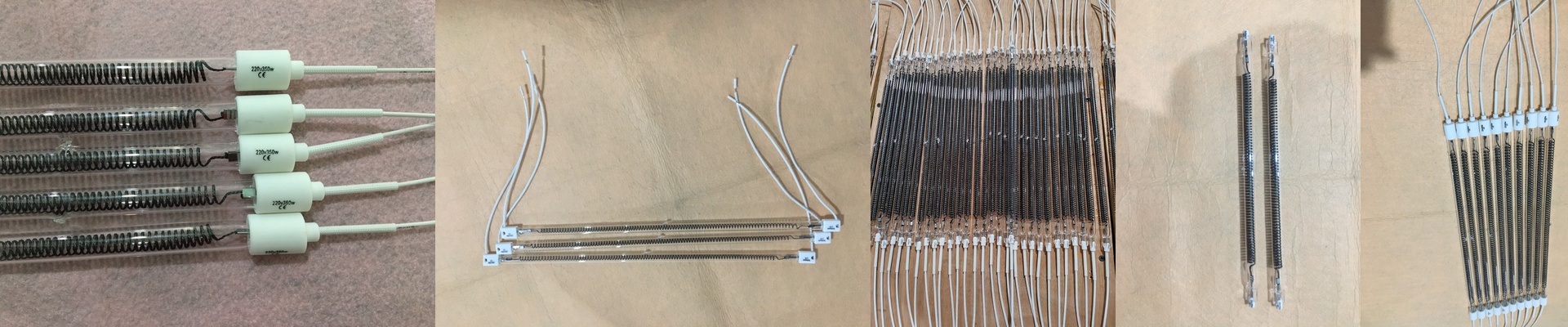
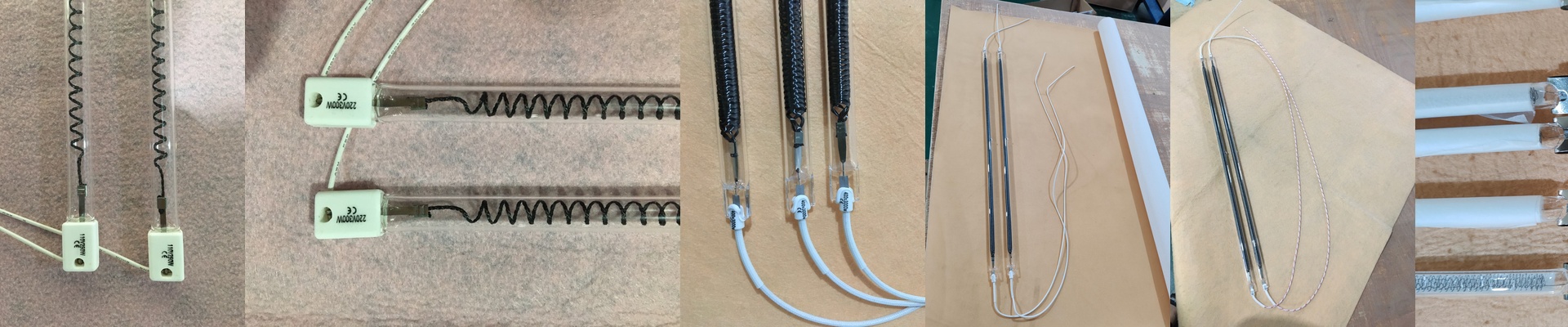
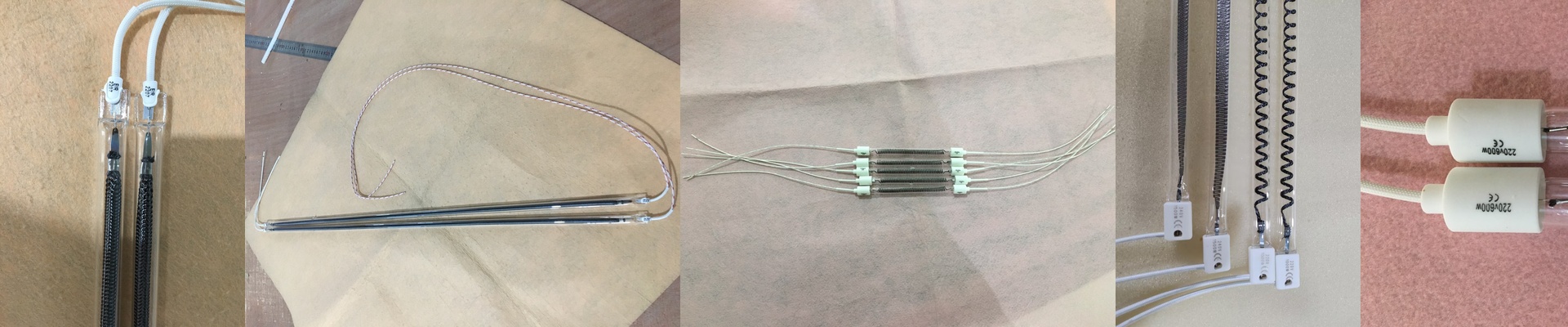
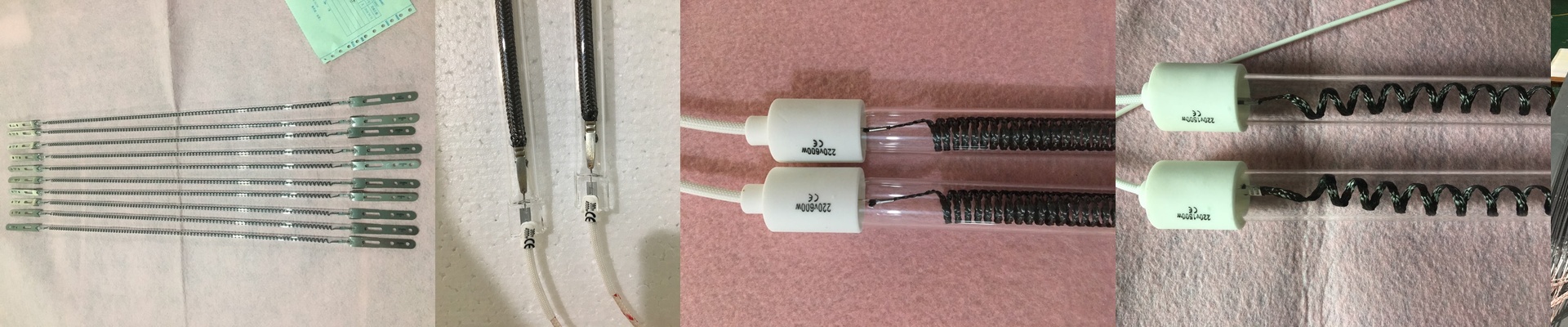
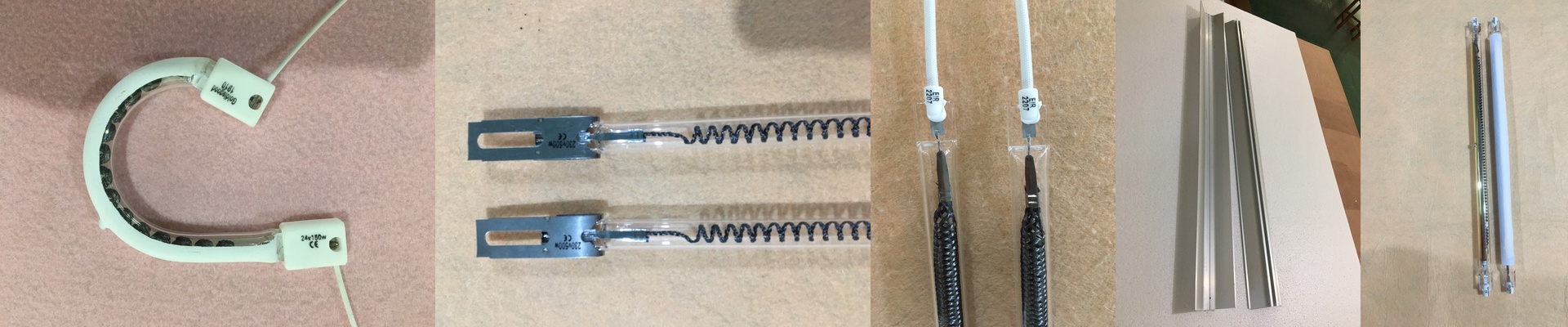
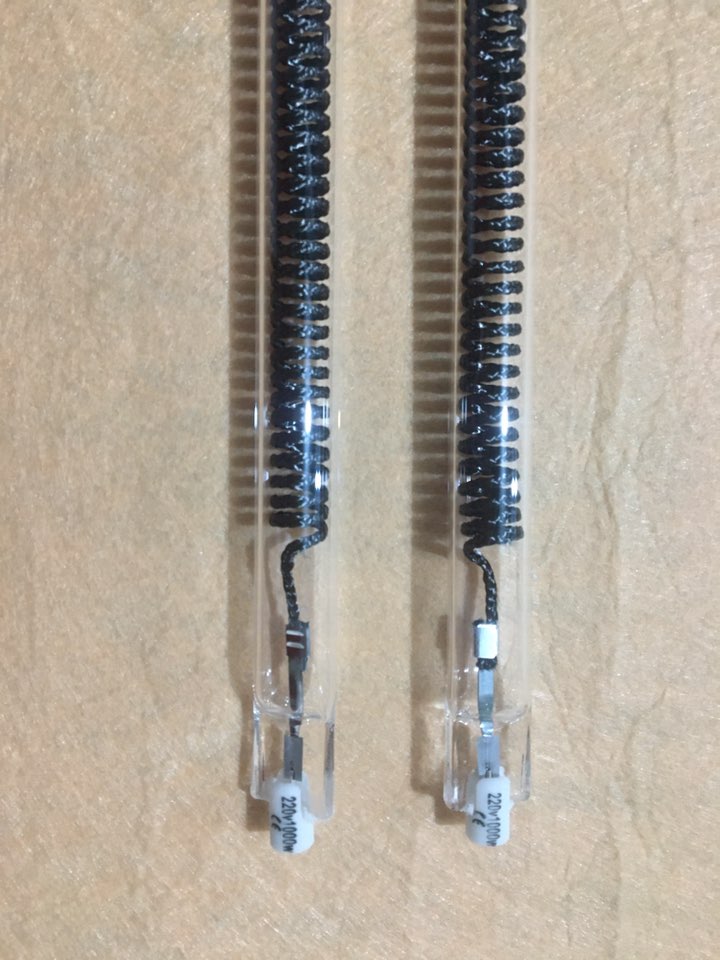
Ever wonder what’s actually going on inside those high-end heaters? Most people think of thick metal wires, but we do things a bit differently. We use carbon filaments—basically tiny, conductive threads—woven into a fabric or bundled together. To keep things from getting messy, we slide these fibers into a protective sleeve, usually made of quartz or a tough, high-temp polymer. It keeps the oxygen out and stops the element from breaking when things get bumpy.
How it actually works
Here is the thing: when you push electricity through these carbon fibers, they get hot. Simple as that. But there’s a neat trick here. Most metals act weird when they heat up—their resistance shifts, which can make your temperature jump around. Carbon isn’t like that. It stays steady. This means you get a nice, consistent heat across the whole element, no matter how long it is. Plus, it doesn’t just warm up the air around it. It puts out infrared heat. That energy goes straight into your material, which means you aren’t sitting around waiting for the room to warm up first. It’s fast. Really fast.
The trade-offs (What to watch out for)
We can build these to fit almost any power requirement you have, but you have to be smart about the layout. If you go with higher voltage, you can use thinner wires, which keeps things tidy. But be careful—if you cram too much wattage into a tiny space, the heat density gets intense. If you aren’t careful with your mounting brackets or insulation, you’re looking at warped frames or burnt-out housing. It’s all about balance.
Where this stuff actually lives
You’ll see these in everything from PET bottle blowing and textile drying to curing parts for aircraft. If you’re still using those old, clunky metal-sheathed heaters, these are a great way to speed things up. And because carbon fiber is light and flexible, we can wrap these around curves where a rigid tube just wouldn’t fit. Just one heads-up: carbon fiber is brittle. It’s strong, but it doesn’t like being forced. If you bend it too far during installation, the fibers will snap. Once that happens, the circuit is open and you’re back to square one. Handle them with a bit of care, and they’ll treat you right.