Stopping the Crack: Getting Brake Pad Curing Right
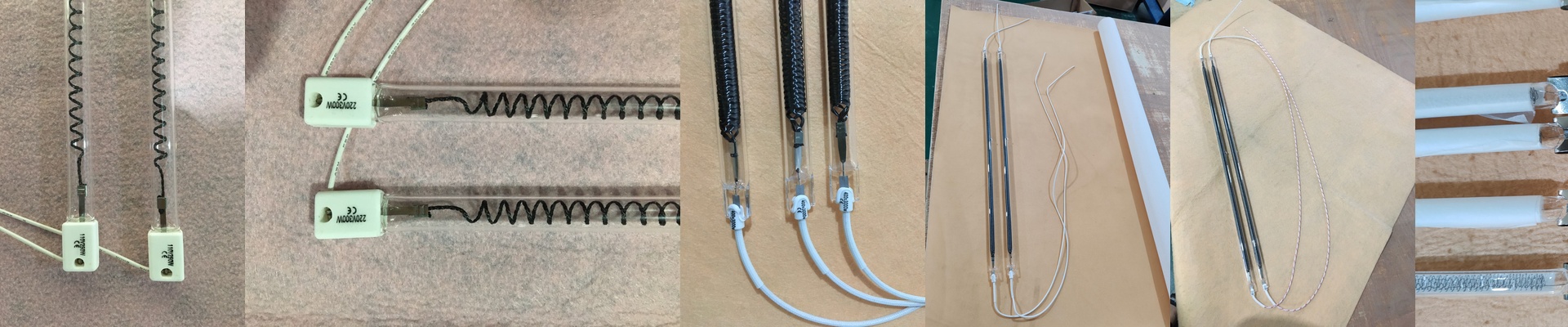
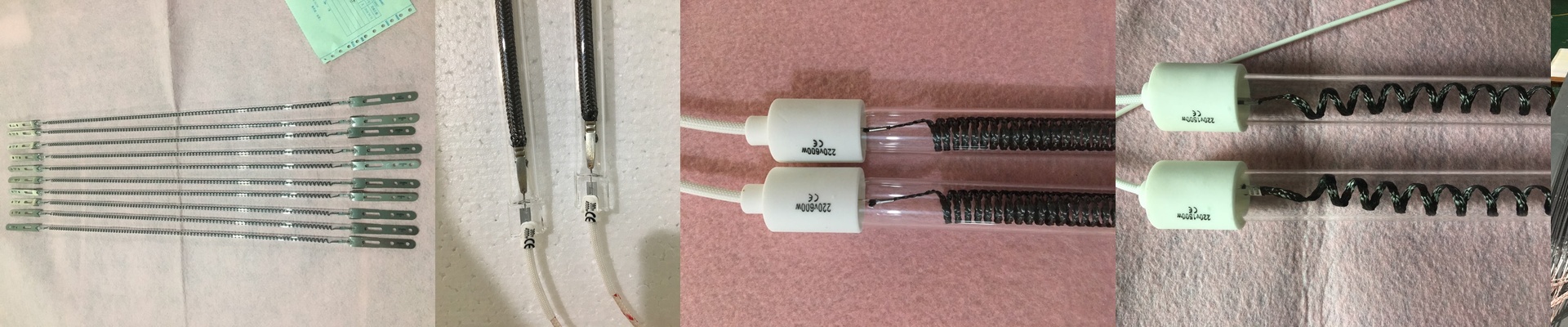
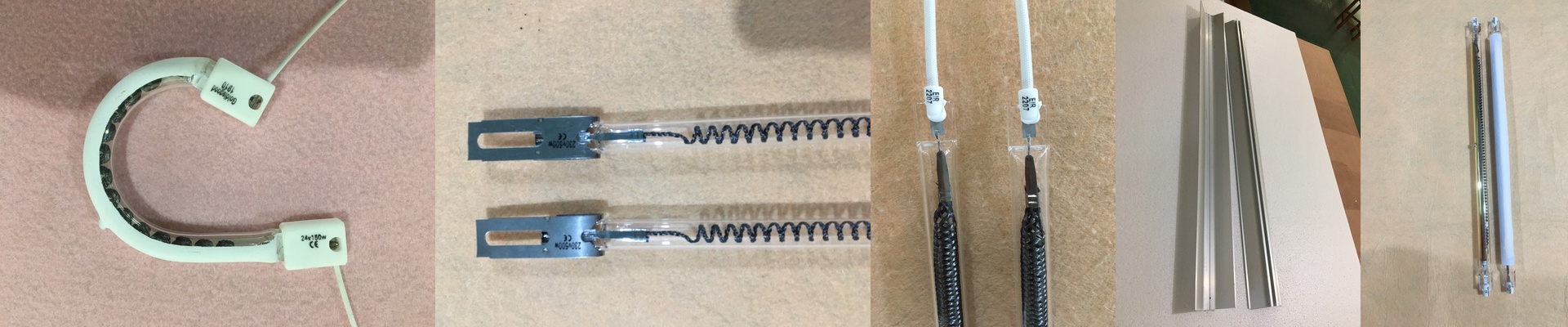
Curing brake pads is basically a battle against internal pressure. See, when you heat up that resin-soaked friction material, you’ve got volatiles trying to get out. If they can’t escape, they’ll literally tear the structure apart from the inside. The biggest mistake? Letting the surface dry too fast. That traps the gases, and before you know it, you’ve got porosity and surface cracks all over your parts. We handle this by using short-wave IR emitters paired with some really tight PID control.
Getting the Heat Flux Right
Most people rely on standard convection ovens. They heat the air, and the air heats the part. It’s slow. Boring. And honestly, it doesn’t work that well here. IR is different because it punches right through to the material. By tuning the wavelength, we make sure the core of the pad warms up at the same speed as the surface. But you can’t just blast it. You have to ramp the temperature in stages. If you go too steep, you get “skinning.” The outside hardens into a shell, the internal moisture gets stuck, andboom—cracks.
Control vs. Thermal Shock
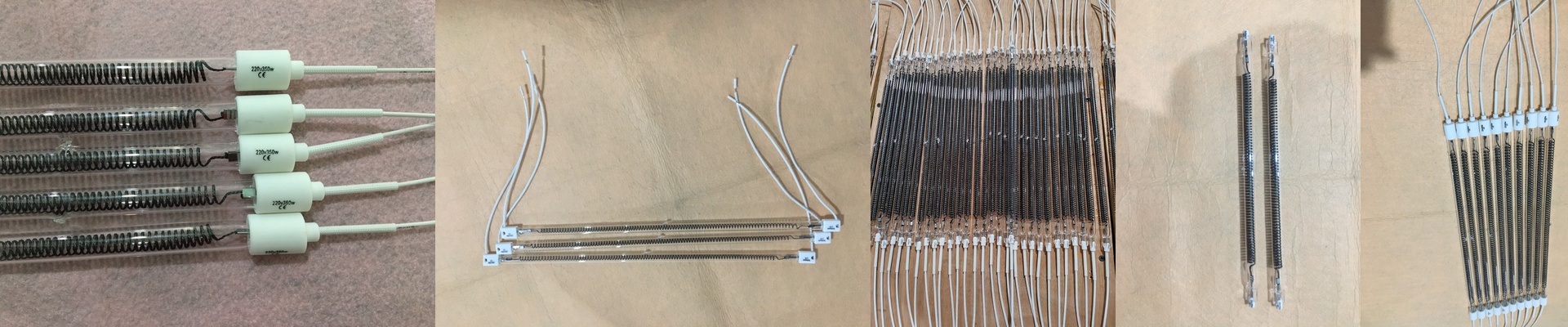
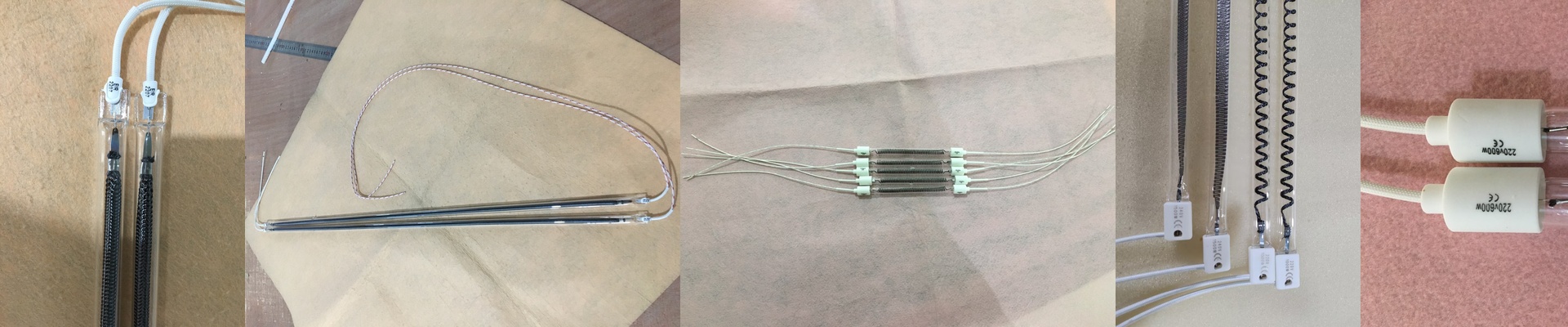
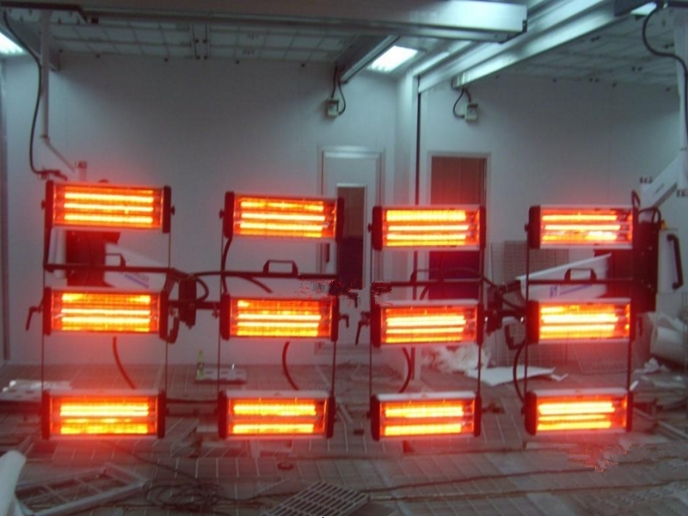
We use zoned IR arrays because hot spots are the enemy. If one spot on the pad takes a beating from an unshielded emitter, that local expansion will snap the structure. To stop that, we put thermocouples right in the curing jig. It feeds real-time data back to the power controllers, so we can throttle the wattage the second things get too hot. It’s all about that instant reaction.
The Catch: Power Density
High-wattage IR lamps are great for fast cycle times. They get the job done quickly. But there’s a trade-off. The more power you pump in, the thinner your margin for error becomes. If your conveyor timing is off by even a few seconds, you’ll scorch the resin. It happens faster than you’d think. Plus, you’ve got to make sure your cooling blowers can actually handle the ambient heat around the lamps. If you skimp there, you’ll end up frying your own wiring and sensors. When you get the IR calibration dialed in, those porosity issues that fail pressure tests just disappear. You end up with a denser pad and a lot more structural strength. Simple as that.