Getting Your IR Wavelengths Right for Brake Pads
Here is the thing about curing coatings on brake pads: you can’t just hit “start” and hope for the best. You’re usually dealing with two completely different animals—ceramics and semi-metallics. They don’t handle heat the same way. If you try to use a one-size-fits-all IR lamp, you’re going to have a bad day. You’ll either end up with a coating that didn’t actually set, or you’ll literally burn the pad.
Why Materials Matter
Think of it this way: ceramic pads tend to bounce IR energy back. They’re reflective. Semi-metallics, on the other hand, are packed with steel and copper, so they soak up heat like a sponge. That’s why we don’t just pick a lamp at random. We look at how the material absorbs energy. Short-wave IR is great because it digs deep into the coating. But for those reflective ceramics? Medium-wave IR often does a better job of getting the surface to cure. If your line switches between both materials, a fixed setting is a recipe for disaster. You need a system where you can tweak the wavelength or the power on the fly. Otherwise, you’ll overheat your semi-metallics while the ceramics are still sitting there cold.
Setting Up the Heaters
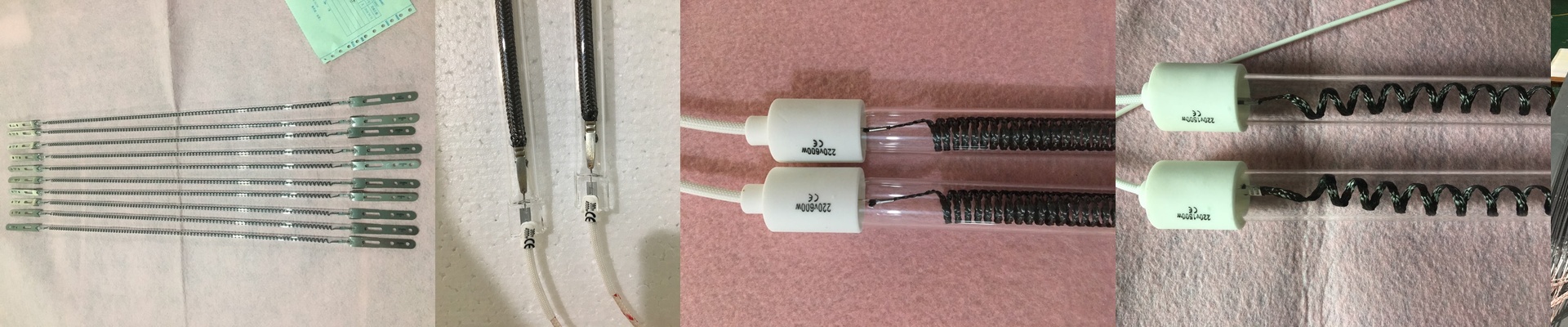
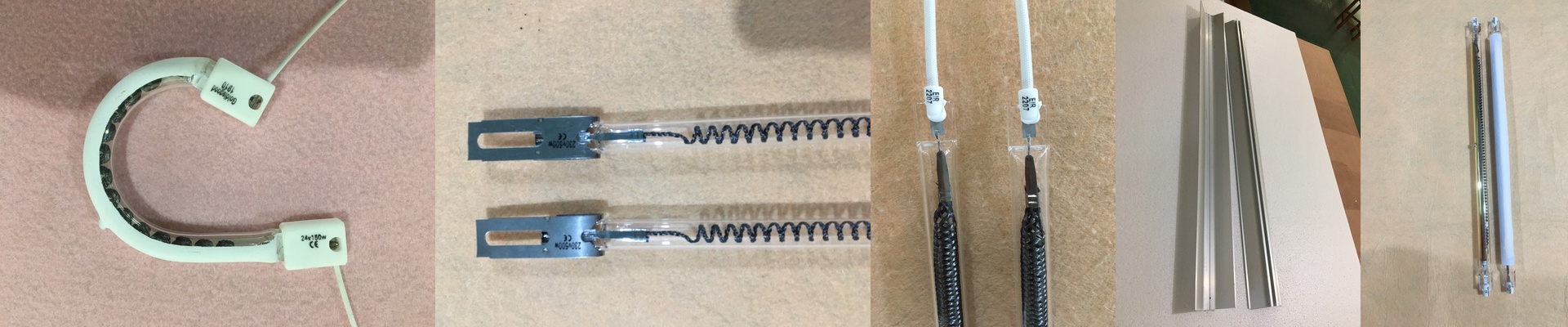
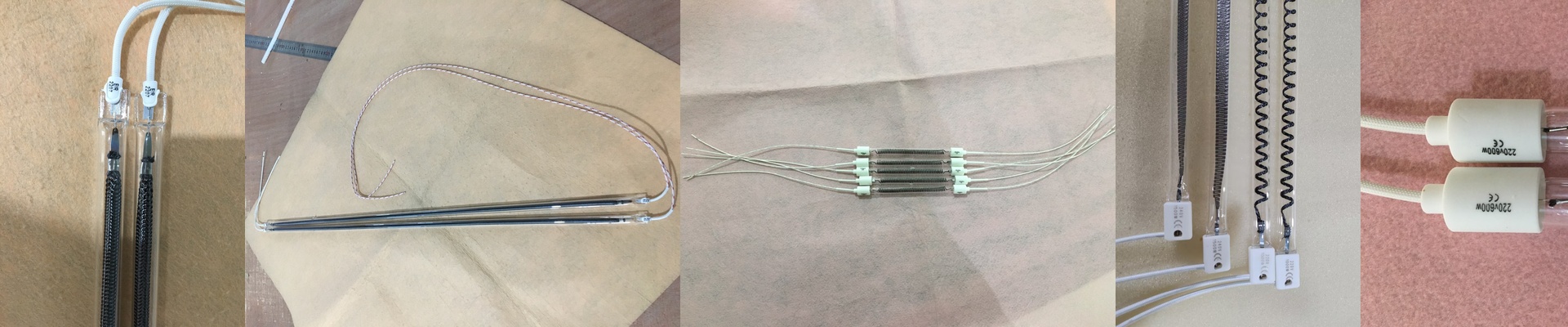
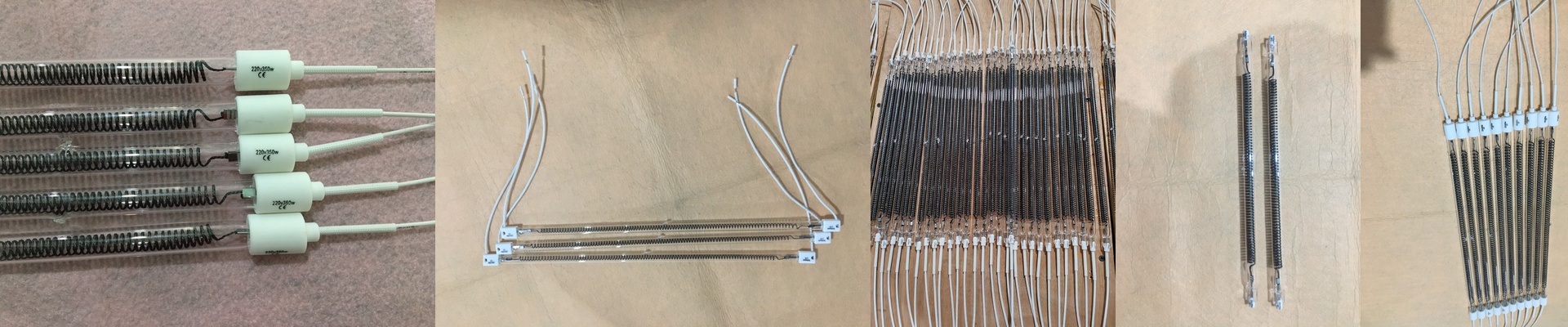
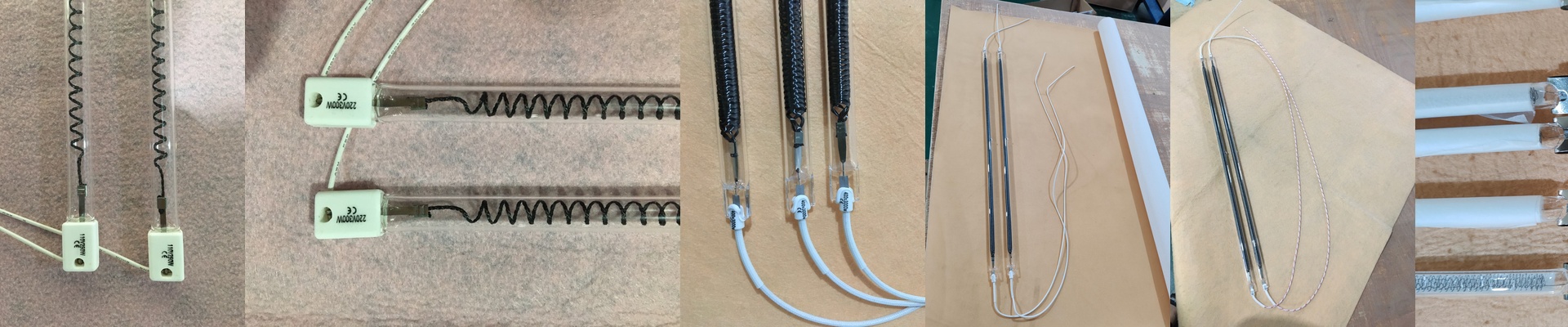
It all comes down to how the heat hits the pad. We want it even. No hot spots, no cold zones, and definitely no warping. We use quartz-halogen tubes because they ramp up fast. Really fast. It means you can stop and start your line without wasting an hour waiting for a giant oven to get up to temperature. It just works.
The Balancing Act: Power vs. Cooling
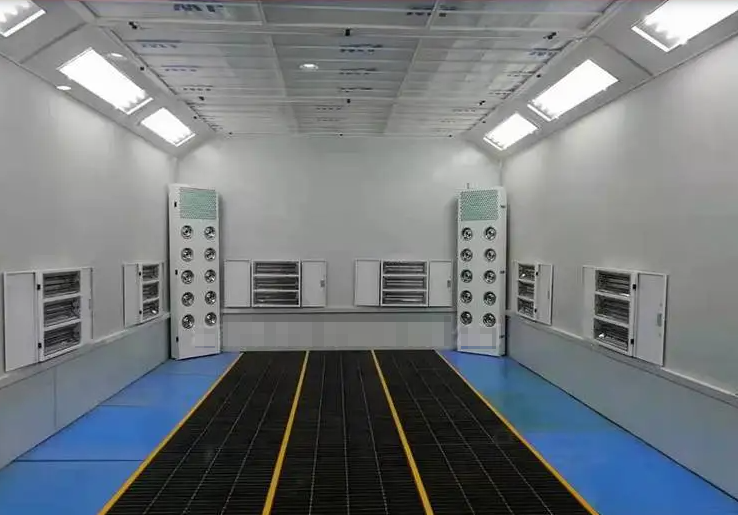
Now, it’s tempting to just crank up the wattage to speed up the cycle times. But there’s a catch. All that energy creates a massive amount of heat inside your housing and on your conveyor. If you don’t have the right cooling blowers, things get messy. You’ll burn out your reflectors or fry your lamp connectors. My best advice? Keep a close eye on the actual surface temperature of the pads in real-time. It’s the only way to make sure you aren’t over-baking the resin.