Let’s Talk Carbon Fiber Heating
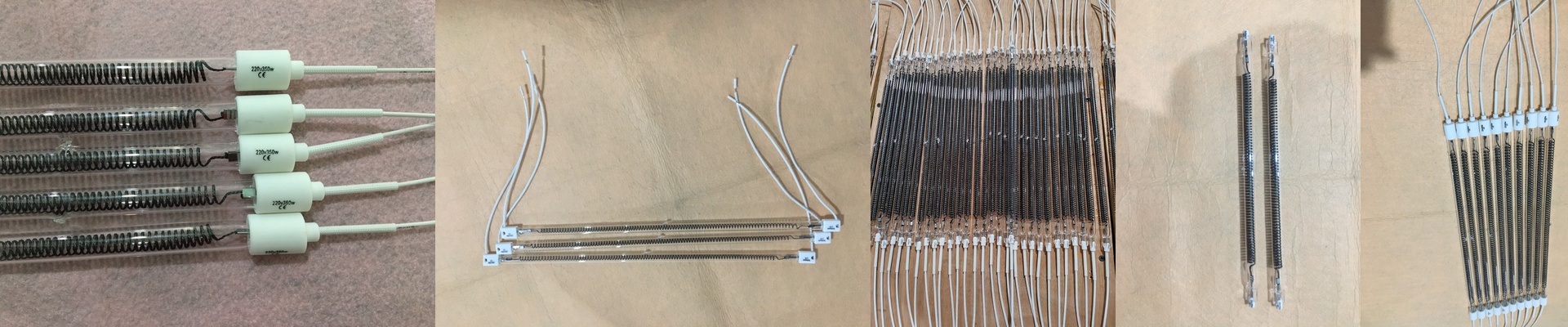
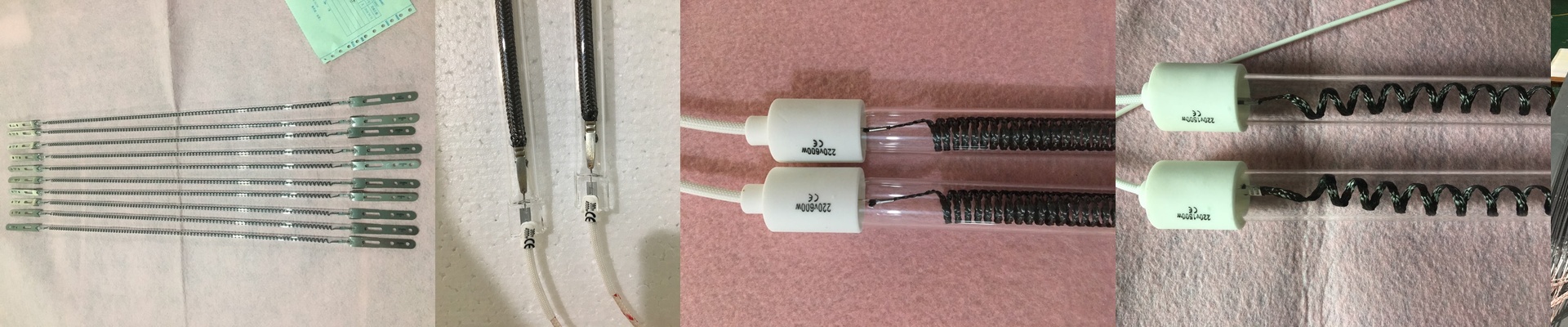
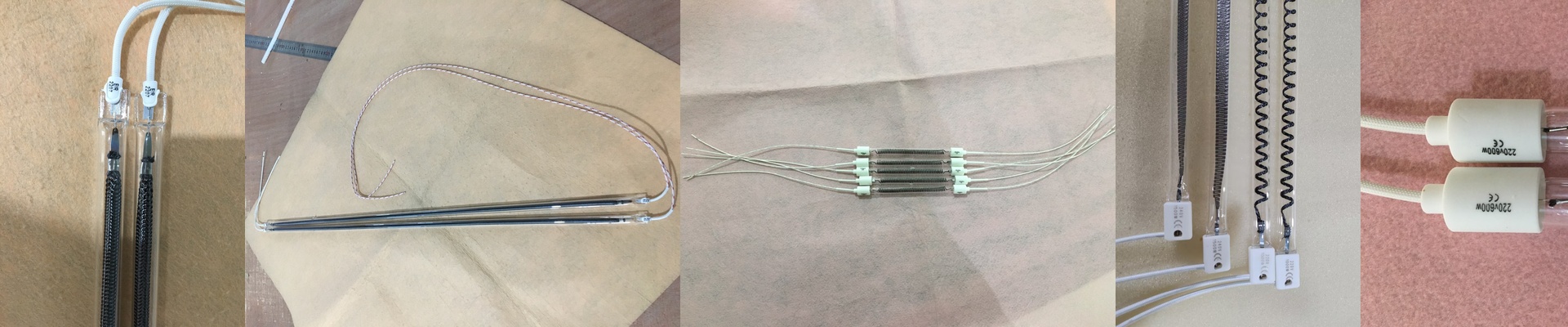
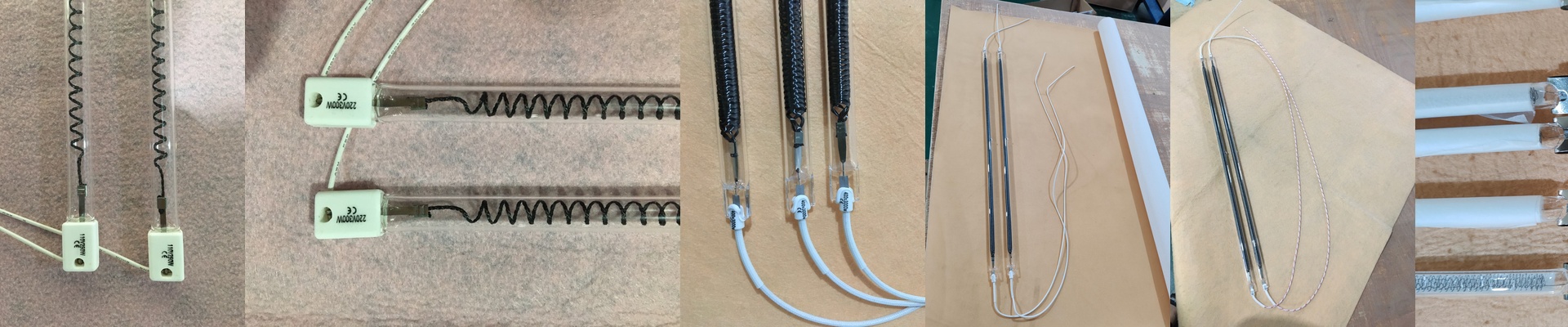
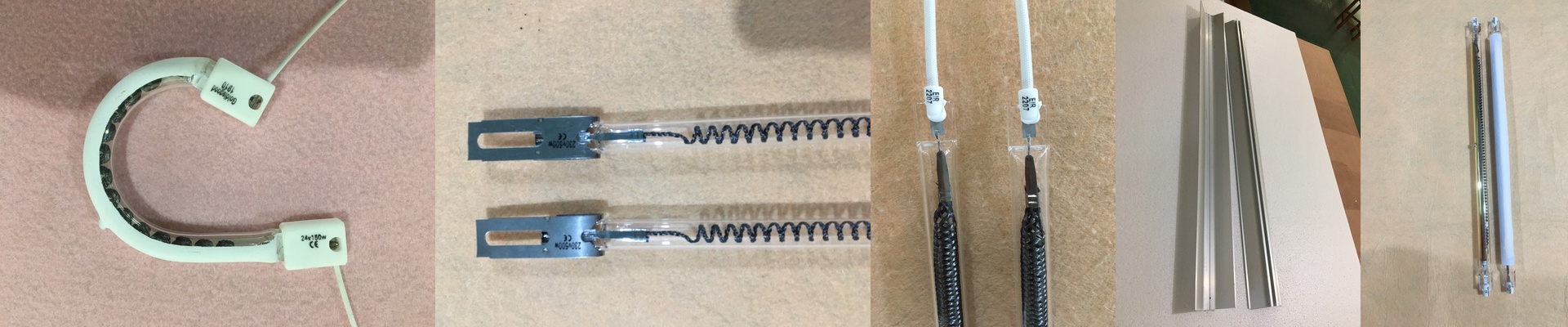
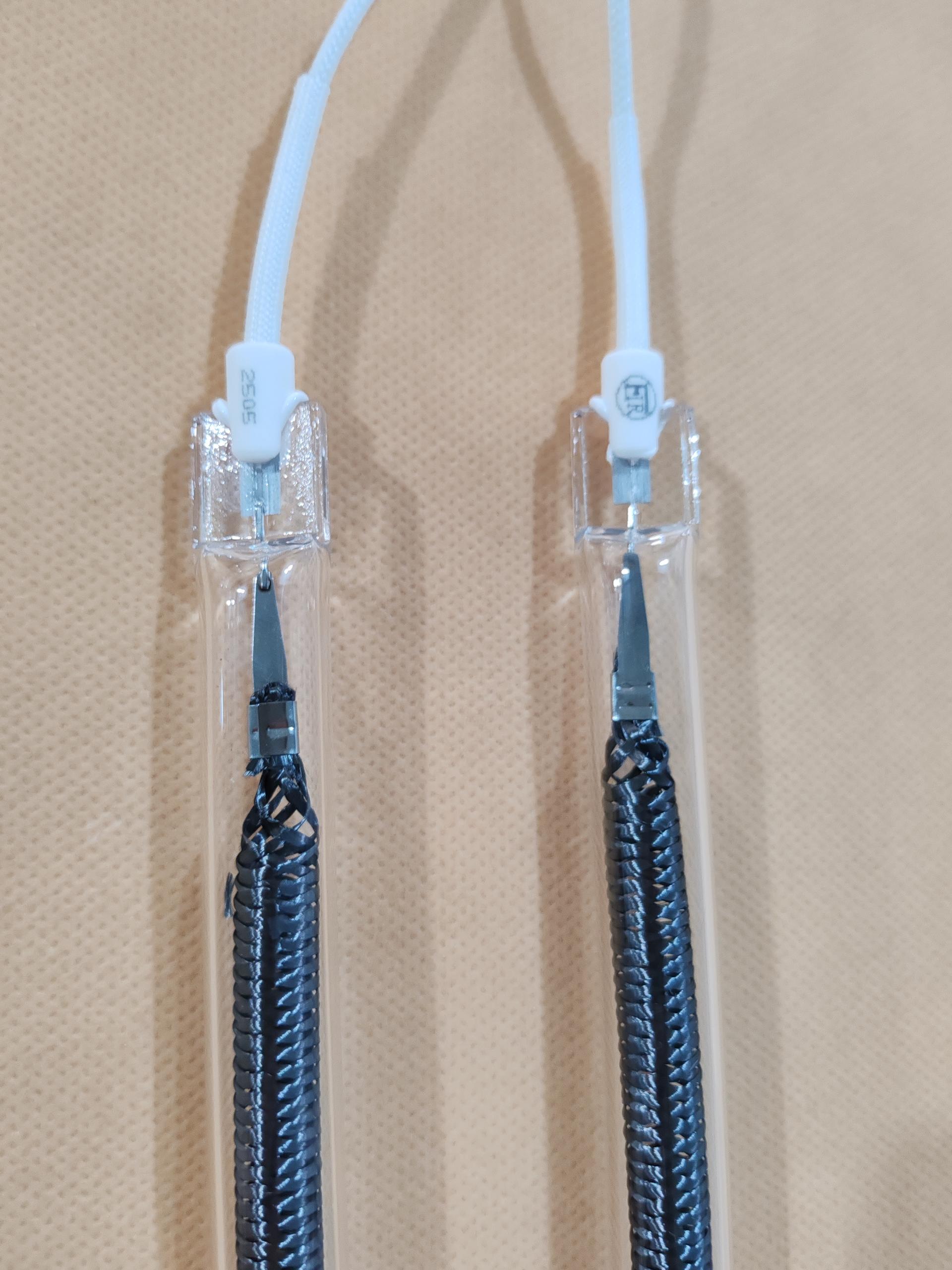
Ever wonder how these carbon fiber heat lamps actually work? It’s pretty simple. We run an electric current through a carbon fiber filament tucked inside a quartz tube. Unlike those old-school tungsten coils that get hot in some spots and stay cool in others, carbon fiber spreads the heat evenly across the whole tube. It’s built for those moments when you need a massive burst of heat, and you need it now. The balancing act of power Here is the thing about power: it’s all about the ratio of wattage to the length of the tube. If you cram a lot of wattage into a short lamp, you get a huge blast of heat. That’s great for fast-cycle work, but you have to be careful. If you push it too hard, you’ll burn out the filament. Plus, your power supply has to be a perfect match for the lamp’s resistance. If it’s off, you’ll see your heat output tank because of voltage drops. It’s a bit of a balancing act. The nitty-gritty on materials We wrap the filament in high-purity quartz. It keeps the carbon from oxidizing (which would kill the lamp). Some of our versions even have a special coating that pushes the heat directly onto your target instead of just warming up the air around it. For the plugs, we stick with R7s or Sk15 connectors. They’re the industry standard, so they usually slide right into most ovens without any fuss. They keep the connection tight, which means no scary electrical arcing when you’re running a heavy load. The trade-off These things are fast. Really fast. They hit the target temperature in seconds, which is why they’re such a lifesaver for curing adhesives or PET blowing. You get a tiny footprint and a ramp-up time that doesn’t keep you waiting. But there is a catch. Quartz is fragile. One clumsy move during installation or a hard bump while you’re doing maintenance, and crack—there goes your tube. When you’re setting them up, just make sure your mounting brackets aren’t squeezing the glass. Otherwise, you’ll be spending your weekends replacing tubes.