Getting Tobacco Drying Right with Carbon Fiber Infrared
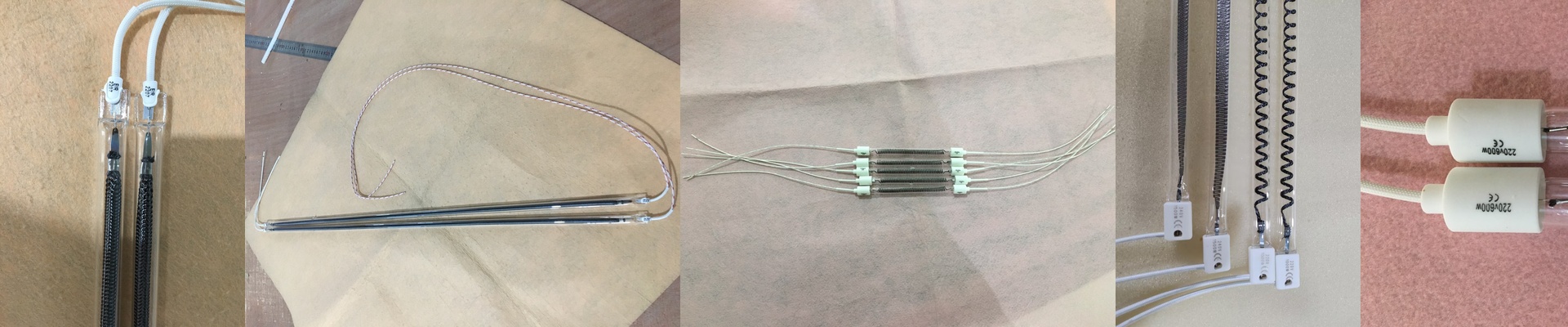
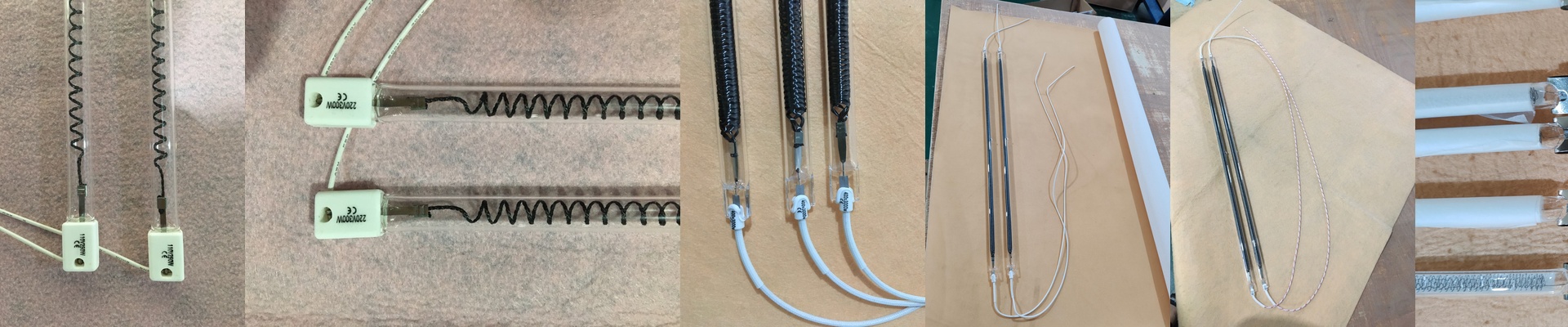
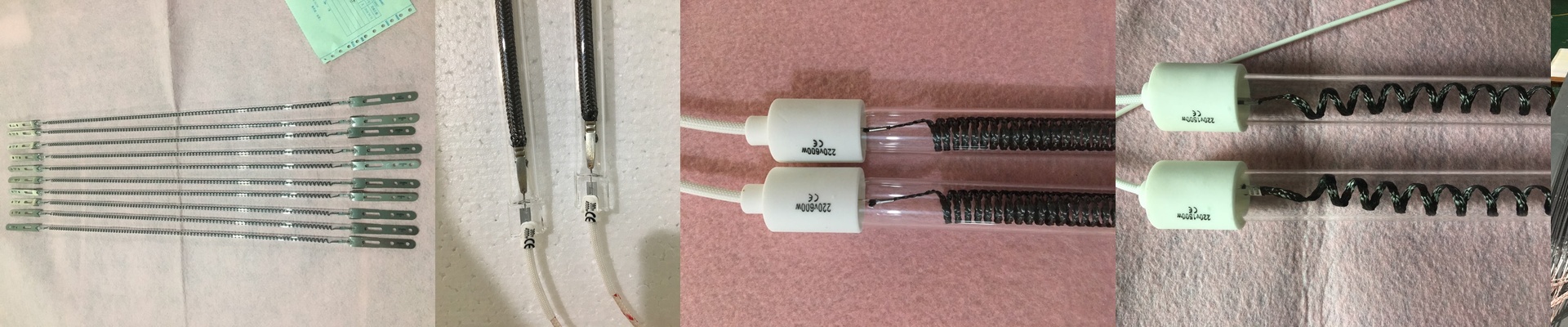
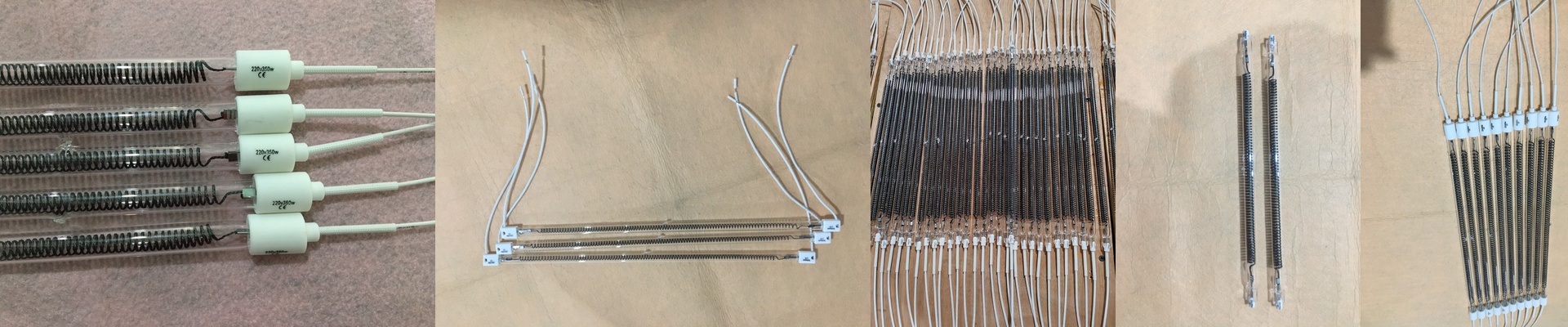
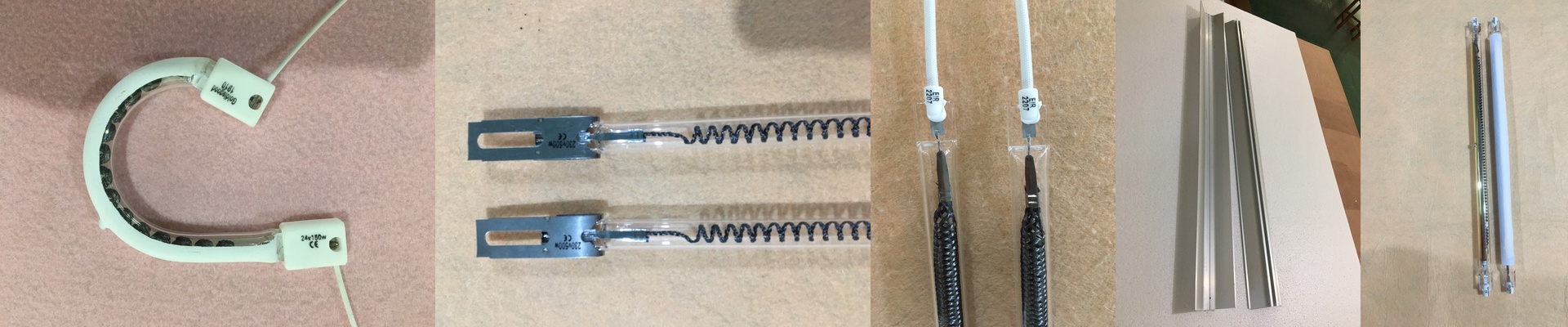
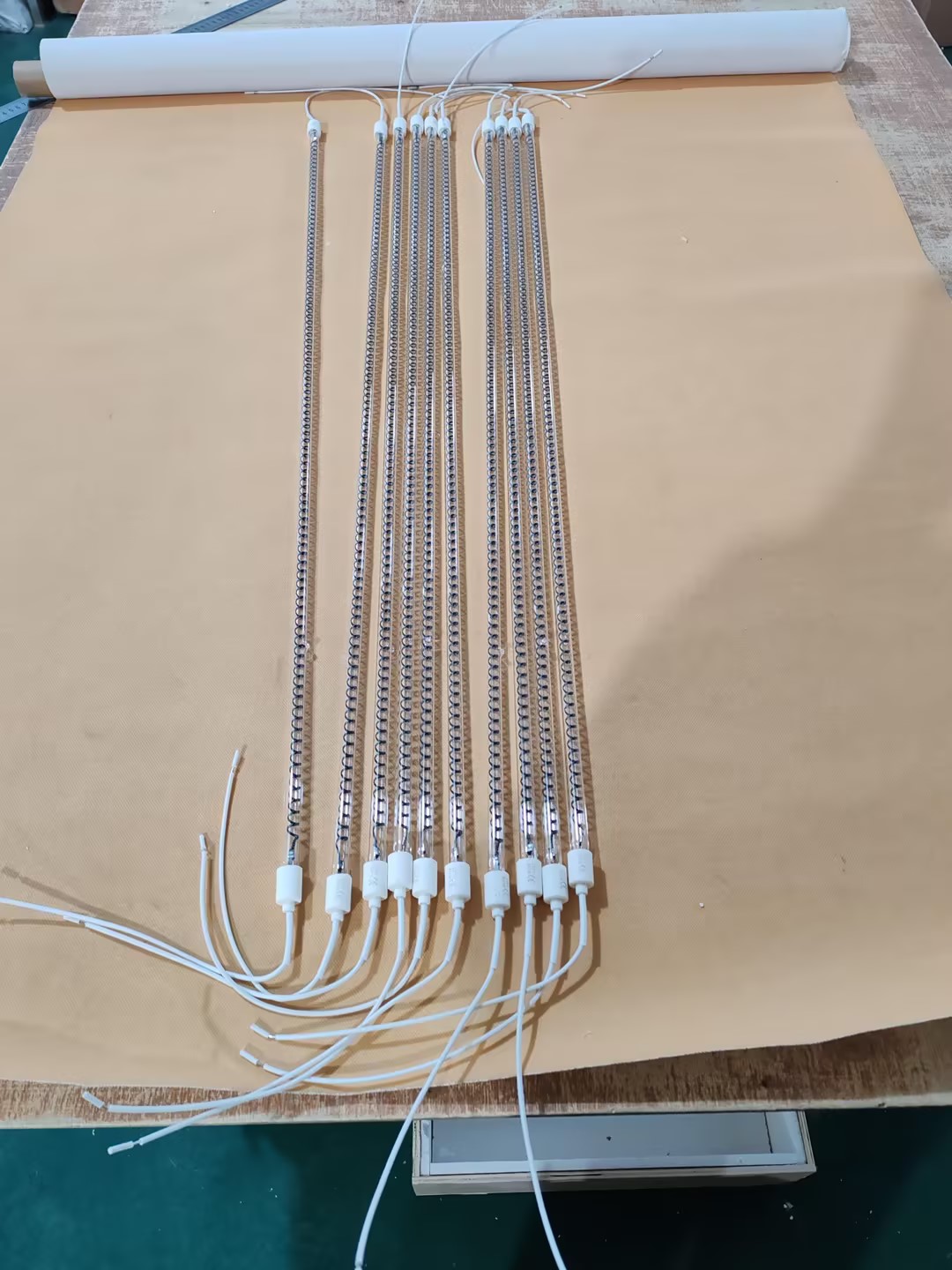
Drying tobacco is a bit of a balancing act. You need the moisture gone, but if you push too hard, you scorch the leaves and ruin the whole batch. That’s where carbon fiber infrared lamps come in. Unlike those old-school quartz heaters, these use carbon fiber filaments. They shoot out a concentrated shortwave heat that sinks right into the leaf surface. It’s fast. Really fast. The nitty-gritty on power Here’s the thing about wattage and voltage: it’s all about the heat flux. When we’re setting up industrial lines, we try to find that sweet spot where the lamps heat up quickly without blowing your energy budget. If you go with high-wattage setups, you can keep your drying chamber smaller, which saves a ton of floor space. But you’ve got to be careful. Your power supply needs to match the lamp’s rated voltage exactly. If you under-power them, you’ll never hit the temperature needed to actually evaporate the moisture. But if you over-power them? You’ll fry the filament in a few weeks. It’s a tight line to walk. What they’re actually made of We wrap the carbon fiber core in high-purity quartz. This is key because it lets the heat radiate outward instead of getting trapped in the glass. As for plugging them in, we stick to standard industrial connectors like R7s or Sk15. We do this so they’re basically “drop-in” replacements for the racks you already have. And we don’t mess around with flimsy wiring. In a factory, things vibrate. A lot. You need a connection that stays put, or you’re going to be chasing electrical ghosts all day. The real-world trade-offs At the end of the day, you just want a consistent cure. Carbon fiber lamps beat ceramic heaters on response time. You can tweak the heat instantly, which gives you a lot more control. But there’s a catch. Because the heat is so intense, you have to watch your airflow. If your conveyor is crawling or your fans aren’t pulling enough air, those leaves are going to overheat. You’ve got to balance how hot the lamps are running with how long the tobacco stays under them. Get that wrong, and you’ve got a pile of wasted product.