Introduction
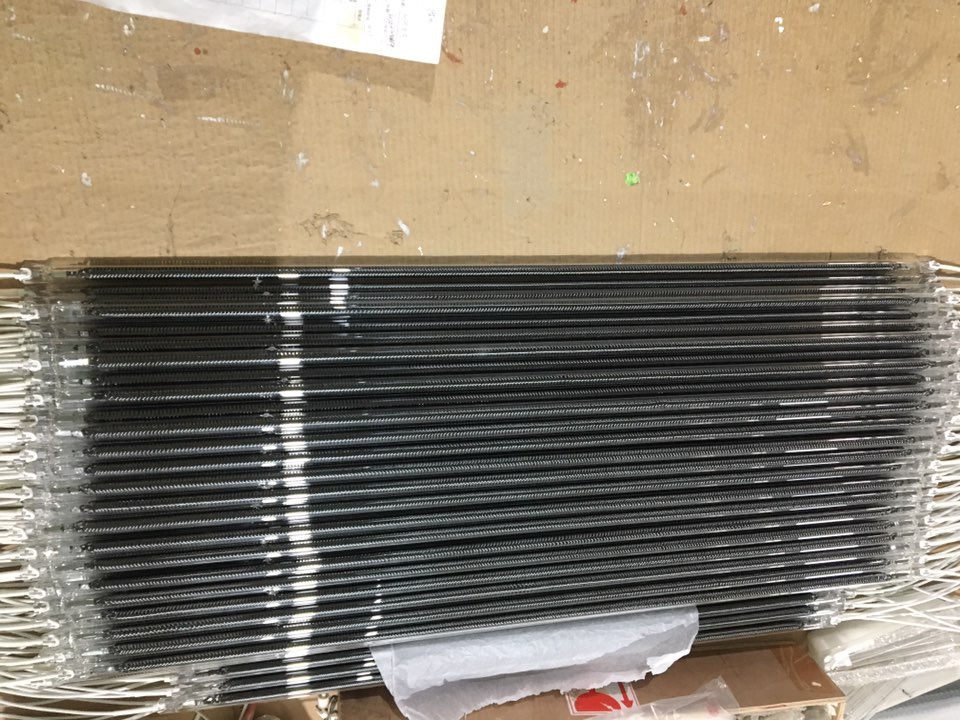
Here’s the thing—we build heating elements for industrial machines that need heat, and they need it fast. Forget warming up the whole room. These quartz tube lamps are all about one thing: delivering a hard-hitting, focused blast of shortwave infrared energy right where you need it. They’re the go-to when your process demands speed and precision.
Power, Voltage, and Geometry
Let’s get into the details. These elements are rated at 2500W and 400V. That voltage isn’t random. It lets you run longer elements without the current spiking, which keeps your wiring and switchgear from getting ridiculously bulky. The 300mm length is another intentional choice. It’s a compact footprint, built for those cramped heating zones where every inch counts. This combo—the wattage and the size—is what gives you that intense heat in a small package. It’s exactly what you need for rapid heating, but it also means you’ve got to make sure the parts around it can handle the heat.
Material and Design: Halogen, Coating, and Connectors
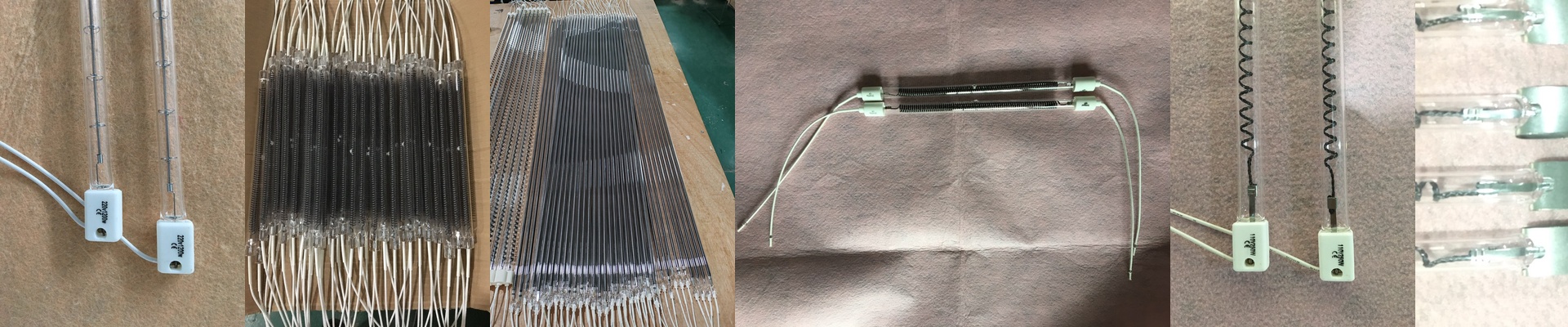
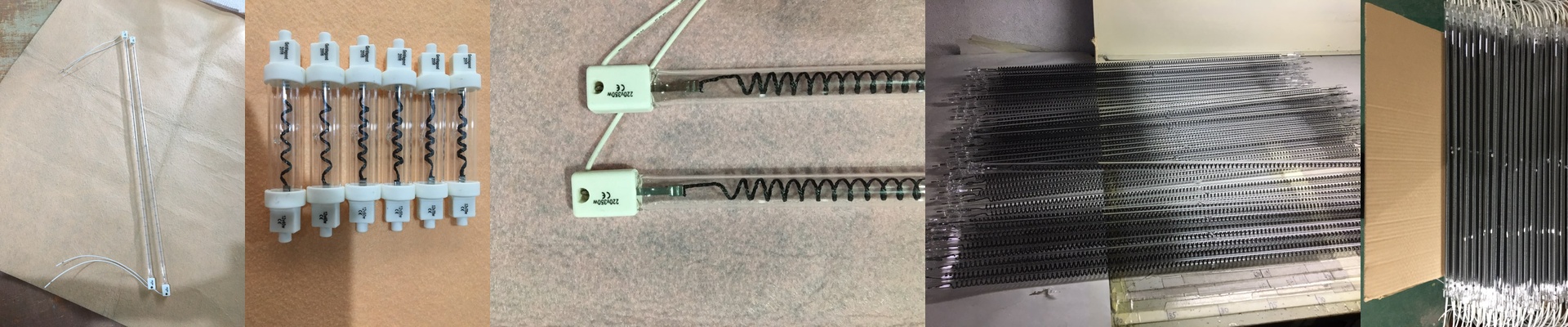
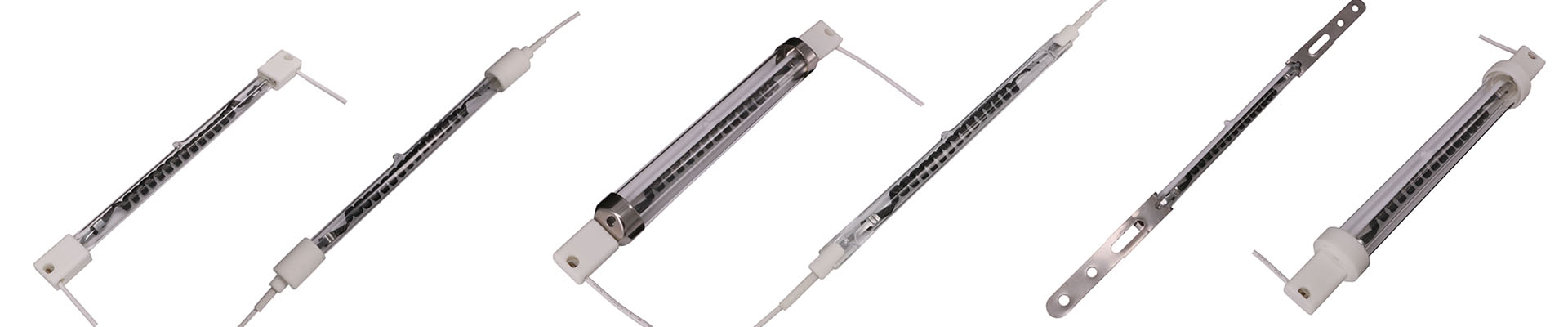
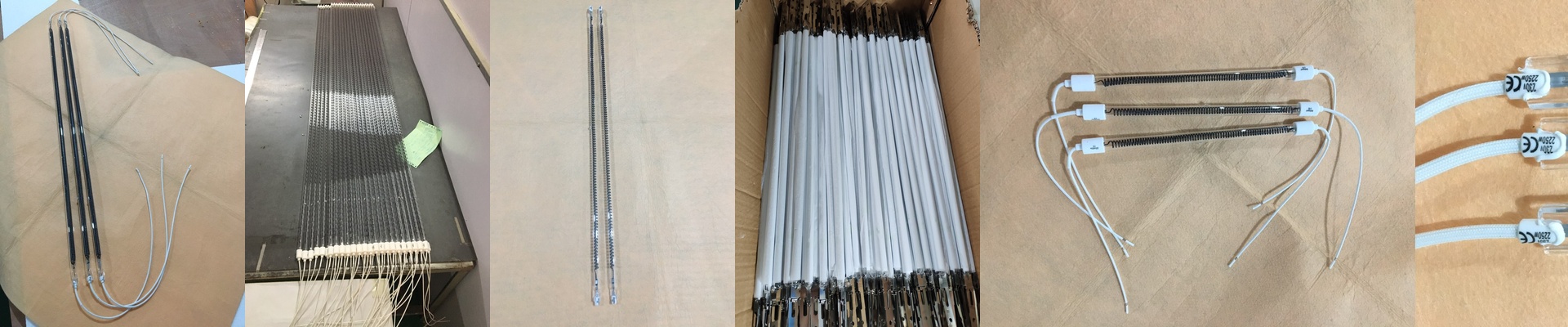
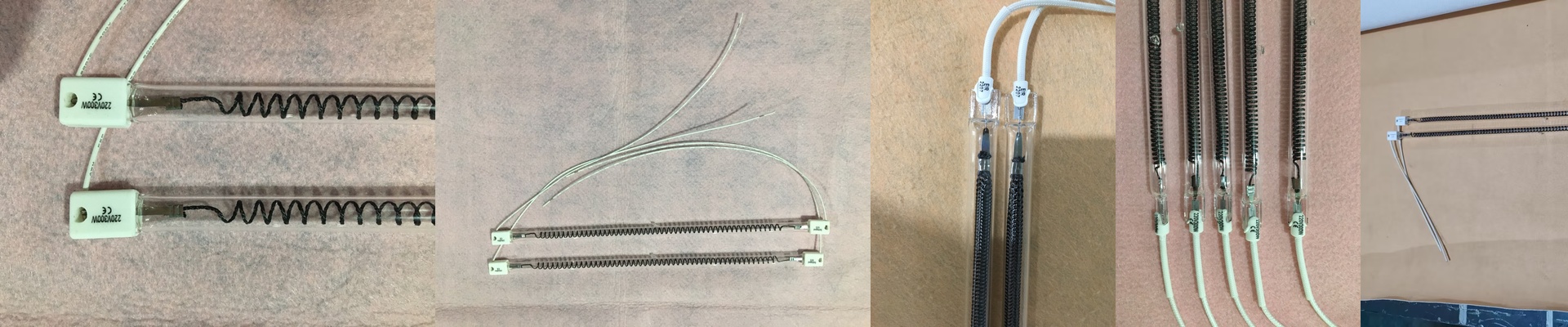
Inside the quartz tube, you’ve got a carbon filament bathed in halogen gas. The magic of the halogen cycle is that it keeps the filament stable by putting the evaporated carbon back where it belongs. This means less blackening and a consistent output over the life of the lamp. We also add a reflective coating to the tube. It pushes more energy forward, so you’re not wasting radiation. More of the power goes straight to the target. And the connectors? We use R7s bi-pins. They’re a proven industrial standard for a reason. They give you a secure, aligned connection and make replacement a quick, simple job. The whole design is straightforward, tough, and easy to wire up.
Application and Benefits
These lamps shine in processes that demand rapid, localized heating—think PET blowing and plastic forming. The shortwave response means you get that heat instantly, so you can hit your setpoints fast and keep cycle times short. Because the geometry is so compact, they slide right into existing machine footprints as a simple drop-in replacement. But here’s the trade-off: with that kind of heat density, you’ve got to manage the thermal side of things. Proper cooling and shielding are non-negotiable to protect nearby components from radiant heat. When you size the whole system correctly, you get a lamp that just performs. It’s stable, predictable, and a breeze to maintain.