The Truth About Carbon Sauna Heaters
When we build far infrared (FIR) carbon heaters, we’re chasing one specific feeling: that deep, soaking heat that gets into your muscles without making you feel like your skin is actually on fire. Old-school quartz lamps use a filament, which can be a bit aggressive. We do things differently. We embed carbon-fiber heating elements inside a silicone or polymer matrix. It shifts the heat into longer wavelengths, which is a fancy way of saying it penetrates deeper and feels much more natural.
Getting the Heat Right
Here’s the thing about power. Carbon heaters don’t get as searingly hot on the surface as halogen tubes do, but they move a lot more energy in that infrared range. If you’re planning a build, keep an eye on your wattage-to-surface-area ratio. That’s what determines how fast the cabin actually warms up. High-density strips get you to temperature quickly. Just be careful not to push your circuit breaker too hard. There’s nothing worse than a power trip right when you’re settling in for a sweat.
How They’re Actually Built
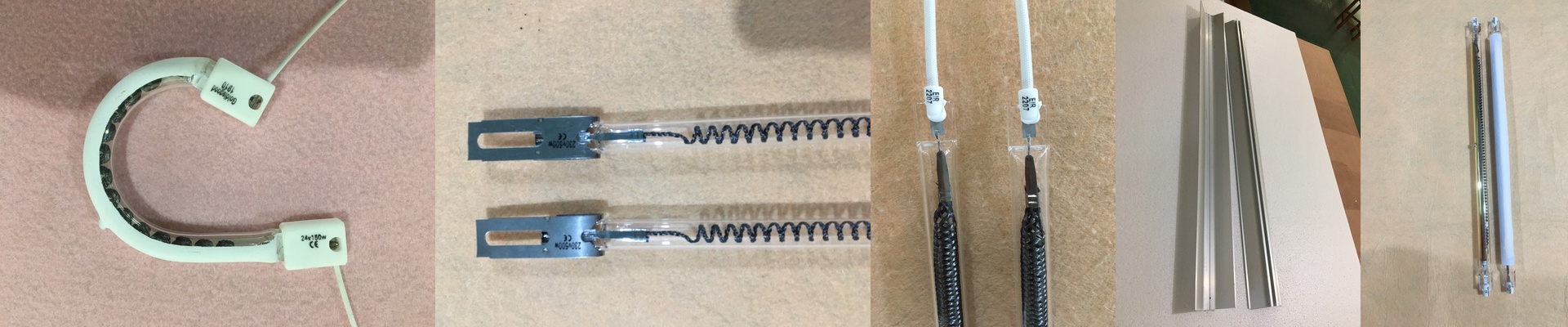
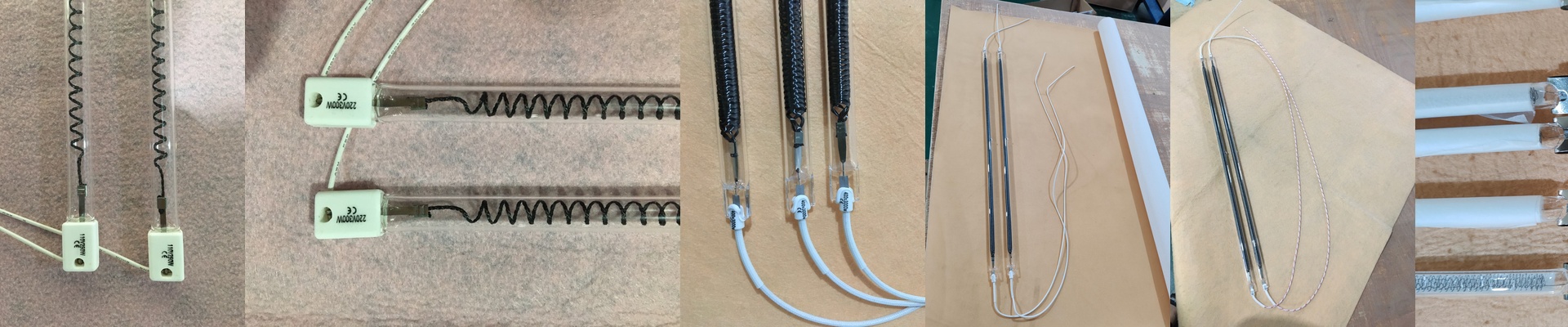
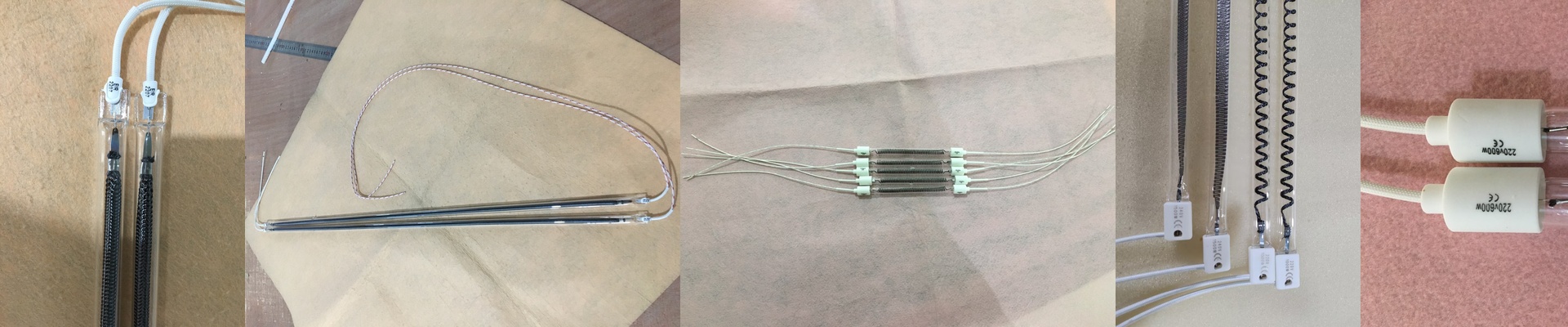
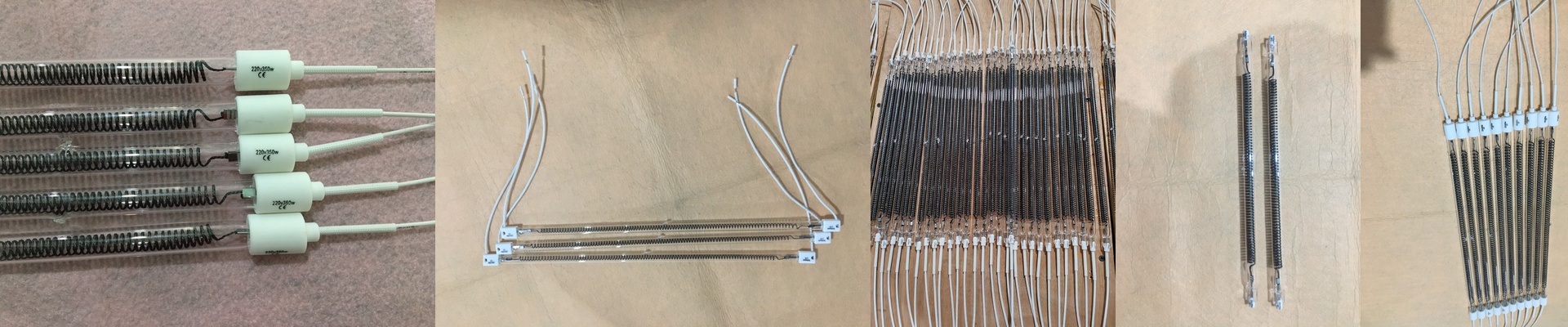
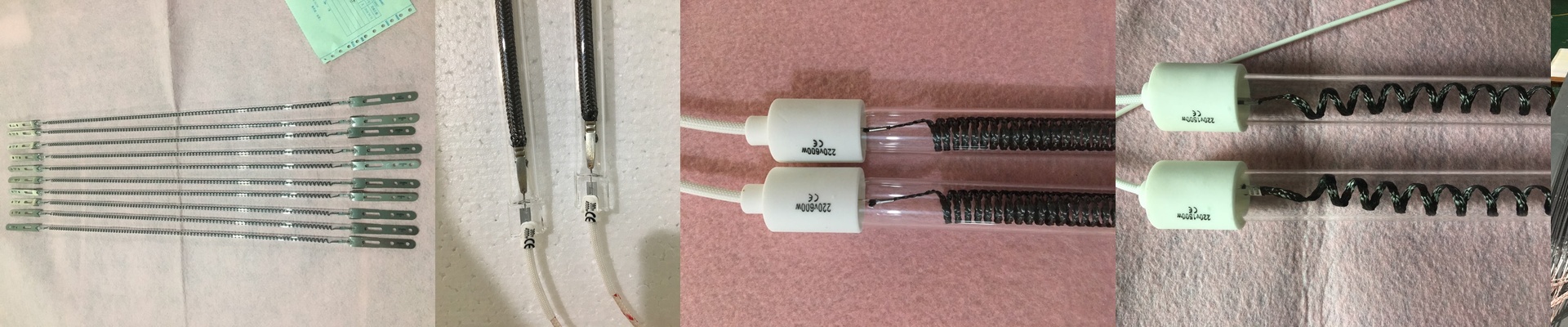
We wrap the carbon element in a heat-resistant sleeve. It keeps the element from oxidizing and burning out prematurely. We’re also obsessive about the connectors. If a connection is loose, you get hot spots, and those hot spots can literally melt the housing. Not ideal. Since these heaters have a larger footprint than those thin wire coils, they spread the heat across the wall much more evenly. You won’t get those annoying “hot zones” you find in the cheap stuff.
The Tricky Parts of Installation
Wiring is pretty simple, but you have to remember that wood is alive. It shifts and expands. If you mount your heaters too rigidly, that movement puts stress on the carbon matrix. Over time, it can actually crack. Give the materials some room to breathe. One more thing: carbon heaters have a bit of a “thermal lag.” They don’t react instantly to the thermostat like short-wave lamps do. You’ll need to tweak your PID controllers so the temperature doesn’t overshoot. Otherwise, your users might feel a sudden spike of heat long after the thermostat tried to turn it down.