Infrared Emitters for Brake Pad Coatings: Shorter Lines, Bigger Output
We build industrial infrared emitters for one simple reason: to dry brake pad coatings faster—without torching the part underneath. If your current setup needs a long tunnel oven just to get the cure right, you know the cost. You’re paying for floor space, for conveyor time, for energy that just keeps ticking over. Here’s the switch: we replace that slow ramp-up with high-density shortwave infrared. Same output targets. A much shorter line.
The Power, Voltage, and Geometry—Kept Real
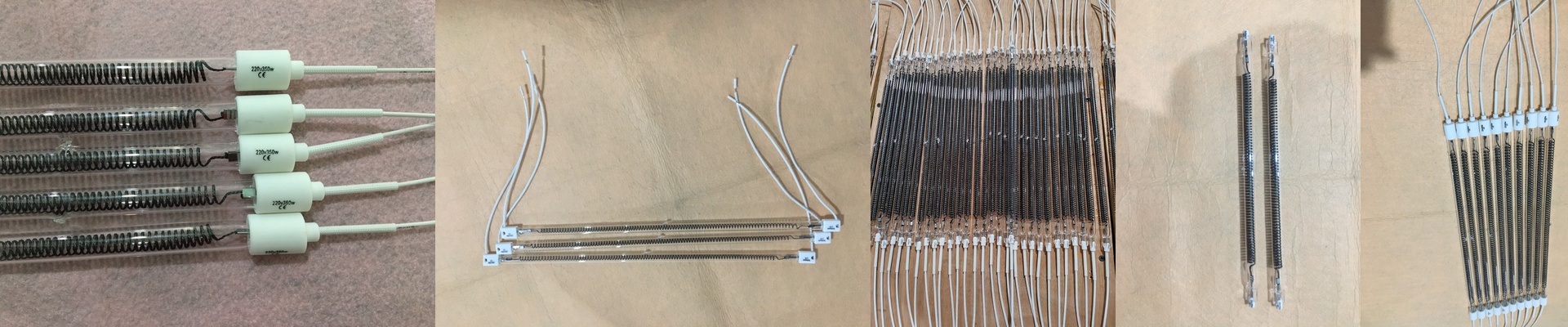
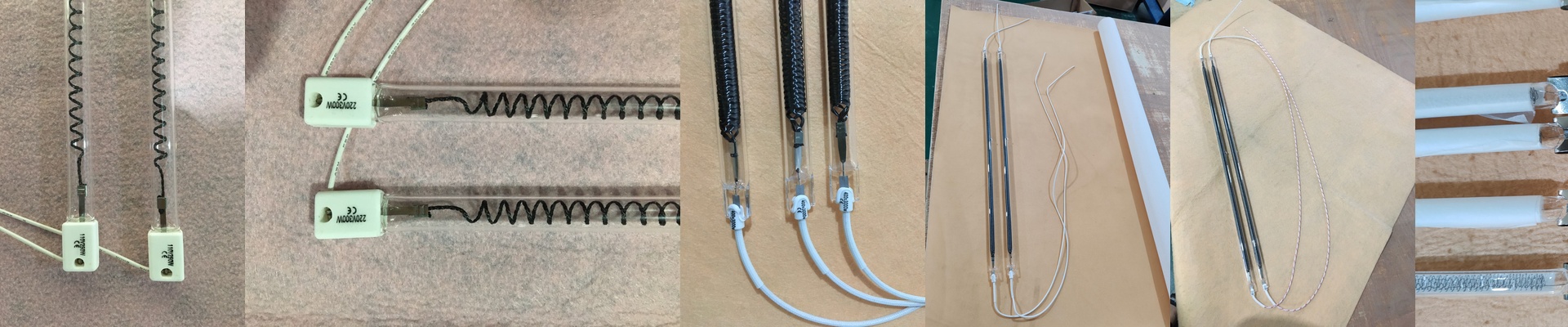
At the heart of it is straightforward: a lot of power packed into a compact tube. We use high-wattage halogen emitters that blast heat right where the coating needs it—so you don’t have to warm up the whole chamber. Geometry matters. A shorter tube, focused tightly, shrinks your oven footprint and cuts the idle time between parts. Voltage is matched to your plant’s power. If you’re running higher voltage (like 400V), the current drops on the circuit. That keeps wiring cleaner and helps control voltage drop across longer feeds. But that heat density is serious. You need airflow and cooling designed around the emitter so the lamp body and reflector stay in their safe temperature range.
The Materials and Details That Actually Hold Up
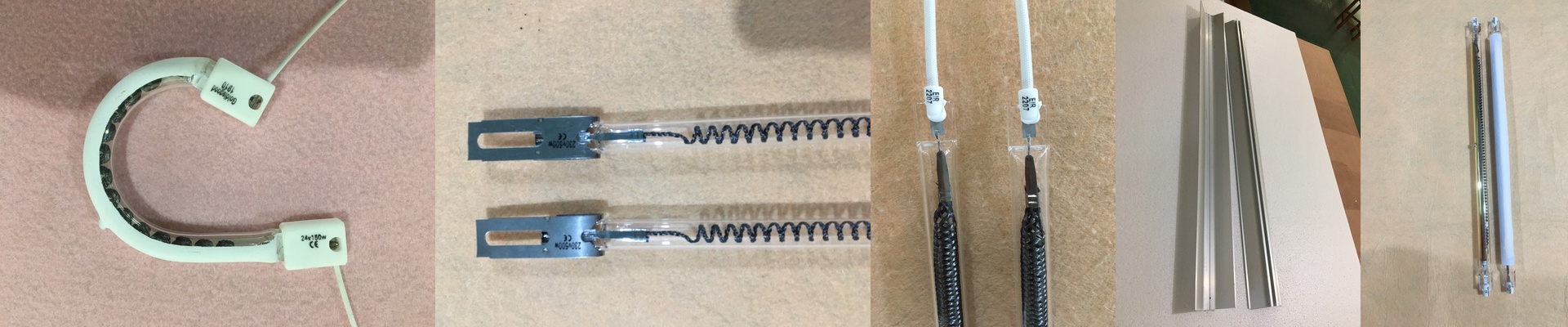
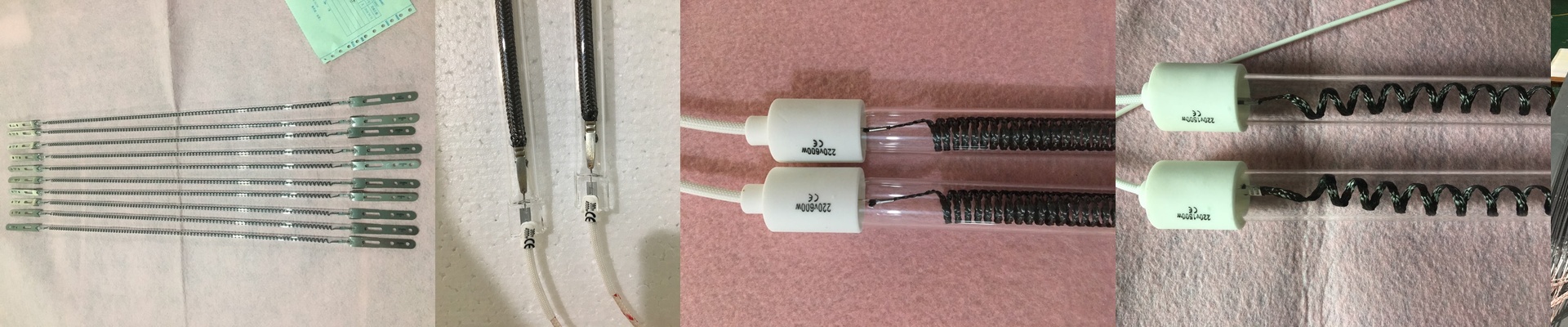
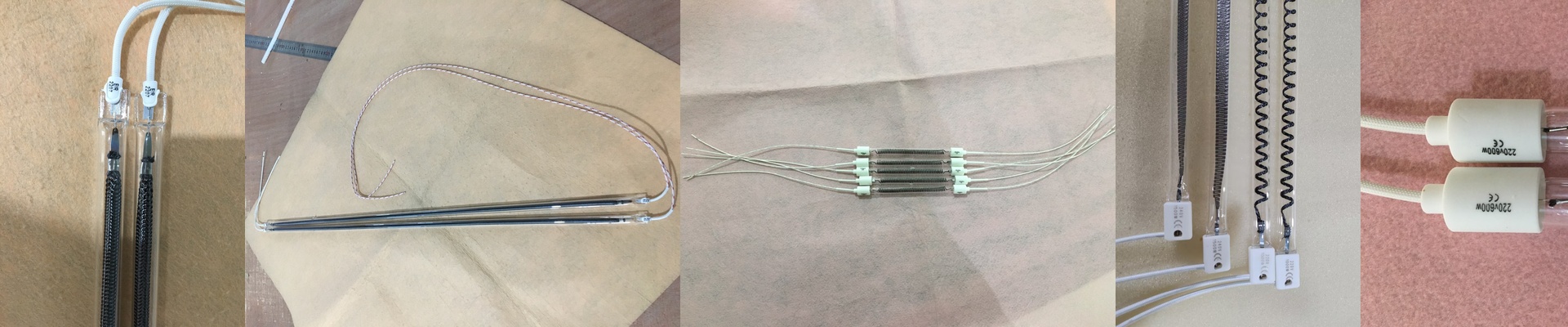
We use a halogen-filled quartz envelope because it handles high filament temperatures and delivers a stable infrared spectrum that responds fast. Quartz also takes thermal shock better than many ceramic options—so it’s more forgiving when the line starts and stops a lot. The coating is built for industrial life. It resists oxidation and holds steady emissivity, so drying stays repeatable shift after shift. And for termination, we stick with proven connectors like R7s and SK15. They’re made for high heat and vibration, locking in clean, dependable contact. Installation is simple: align, seat, clamp. No wrestling with fragile terminals.
What It Feels Like on the Floor
In brake pad coating drying, the bottleneck is usually cure time, not part handling. Shortwave infrared dumps energy into the coating quickly, so you can shorten the tunnel oven and still keep throughput where you need it. The payoff? A smaller footprint, less load on the conveyor, and far less wasted heat bleeding into the plant. These emitters are designed as drop-in components for retrofits. You can wire them into your existing control setup and tune power in steps. The trade-off is real: higher power density means you have to get cooling right and set lamp orientation properly to avoid hot spots on the substrate. But when it’s spec’d correctly, you end up with a line that produces more per square meter—without adding length.