Getting the IR Wavelength Right for Your Brake Pads
Here is the thing about brake pads: they don’t all handle heat the same way. If you try to use the same generic infrared setup for both ceramic and semi-metallic pads, you’re asking for trouble. We see it all the time. Shops buy one “do-it-all” lamp, and suddenly they’re dealing with scorched surfaces or pads that didn’t cure properly. It’s frustrating, and it’s usually because the physics of the material just doesn’t match the lamp.
The Gap Between Ceramic and Semi-Metallic
Semi-metallic pads are packed with copper and steel fibers. Because of that, they tend to bounce a lot of short-wave IR right back. It’s like trying to heat a mirror. Ceramics are a different story. They don’t reflect as much, but they need a deep, steady heat soak. If the heat doesn’t penetrate all the way through the thickness of the pad, that resin isn’t going to cure. That’s why we pick the wavelength based on how the material actually drinks in the heat. If you use a short-wave lamp on a material that reflects it, you’re just paying for electricity to heat up your machine frame. You want the heat inside the part, not just sitting on the surface.
Dialing in the Solution
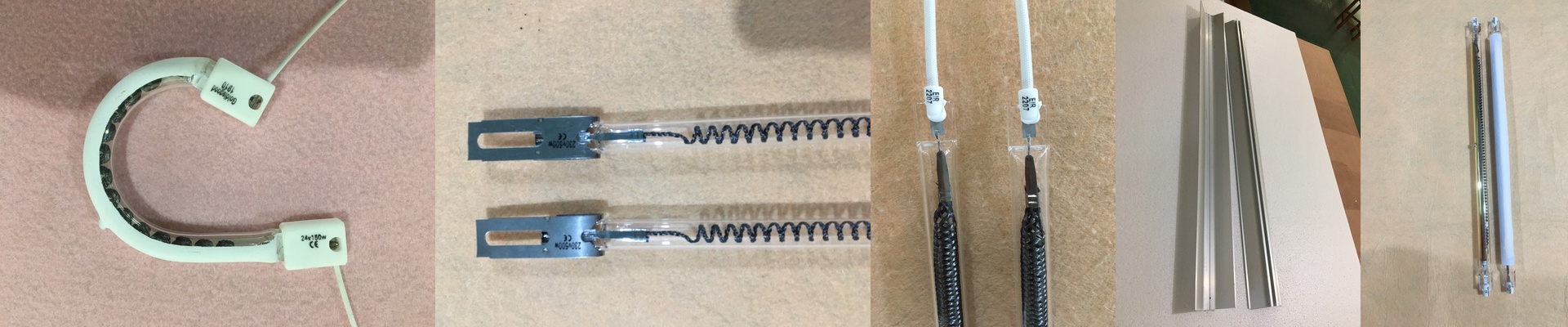
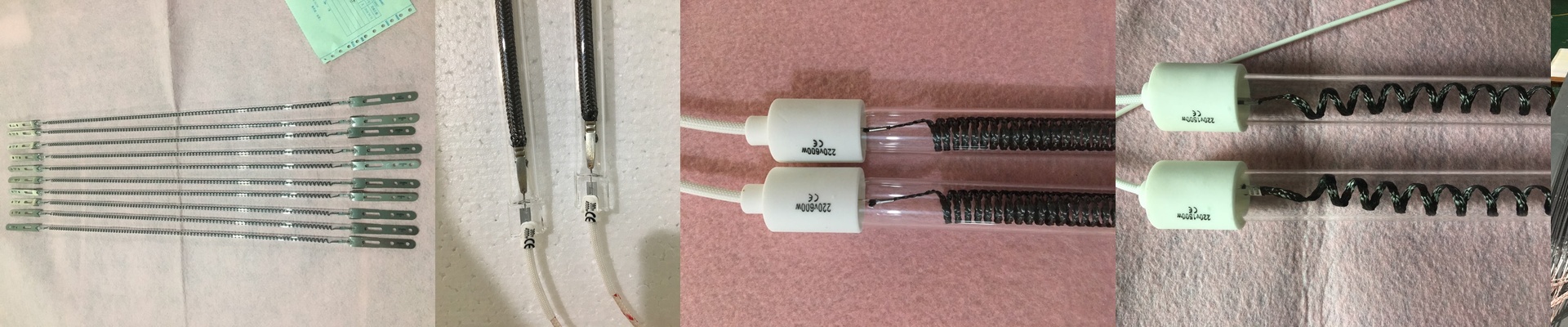
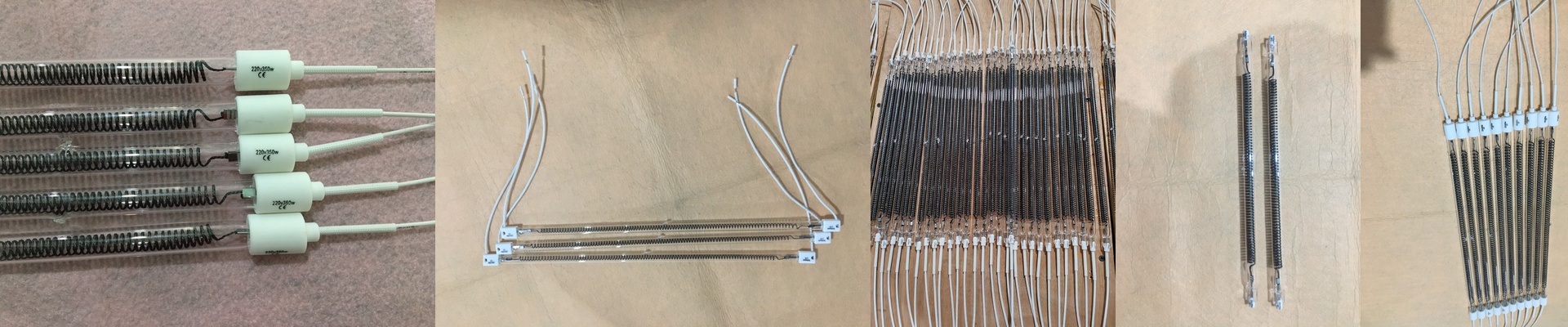
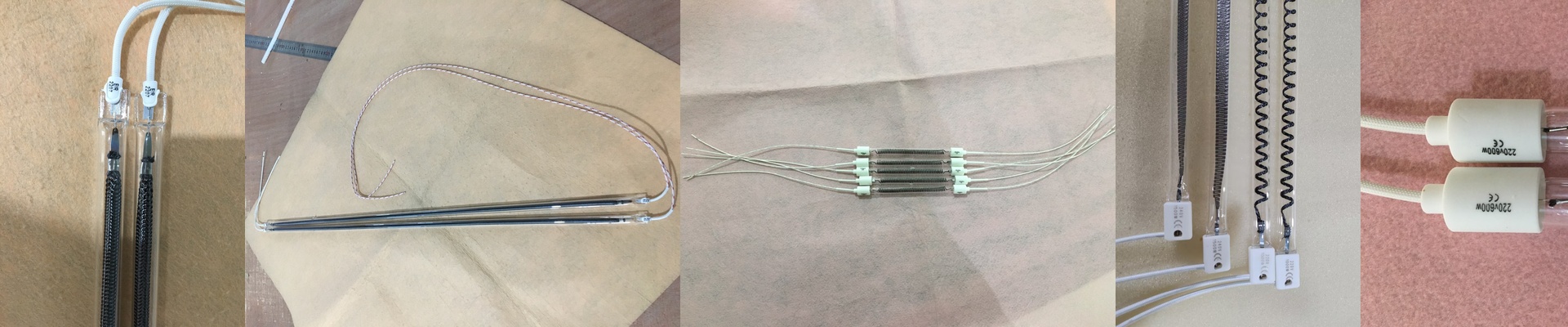
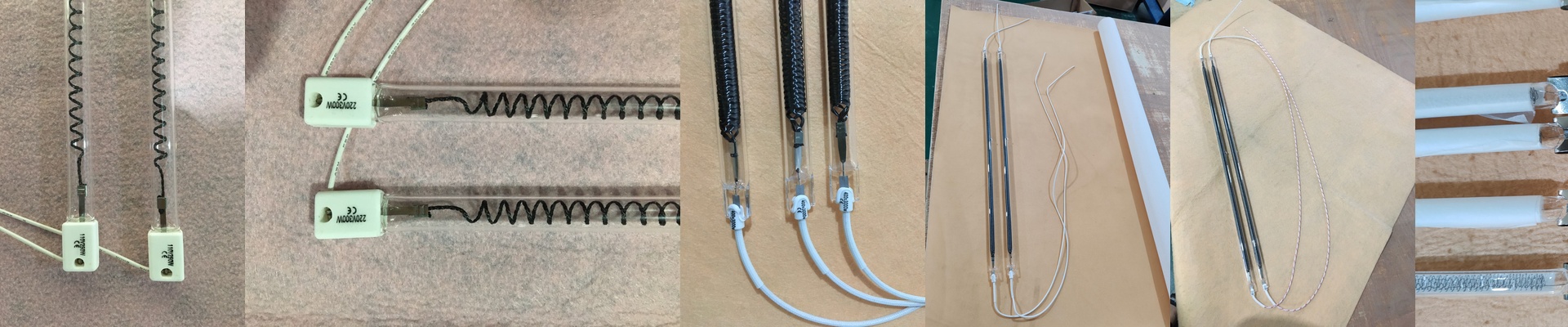
We tweak this by playing with the emitter material and the coating. For those dense semi-metallics, we crank up the intensity to push past that surface reflection. With ceramics, it’s more about the timing—getting that soak just right. But you have to be careful with power density. It’s tempting to use a high-wattage array to speed things up. But if you push too hard, too fast, you get “skinning.” The outside hardens instantly and traps gases inside. You end up with internal voids, which is basically a recipe for failure.
The Real-World Trade-off
When the absorption is dialed in, your cycle times drop. Everything moves faster. But there’s a catch. High heat density puts a lot of stress on your reflectors. If you’re running these lamps at 100% just to hit a tight production window, those reflectors are going to wear out faster. Keep an eye on that mirror finish. If it starts to degrade, your heat distribution goes sideways, and you’re right back where you started.