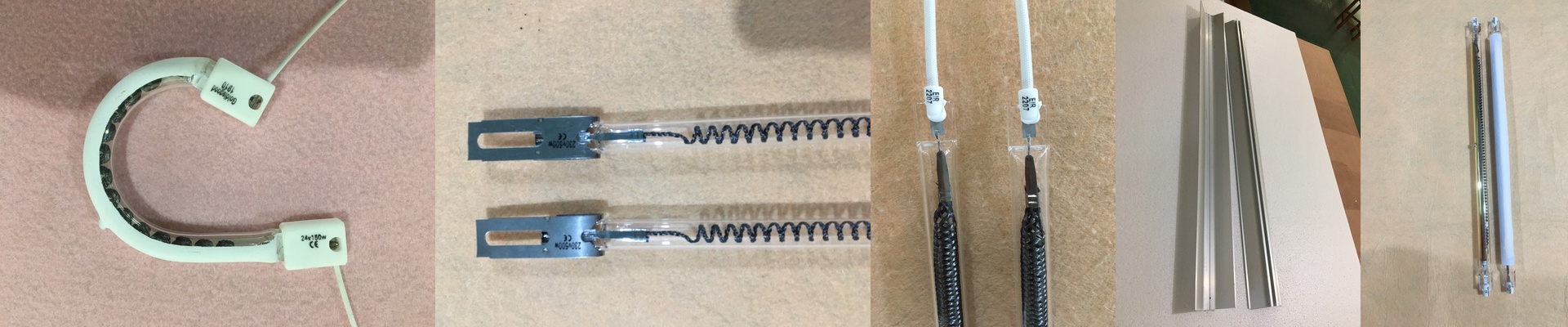
Let’s Talk Carbon Fiber IR Emitters
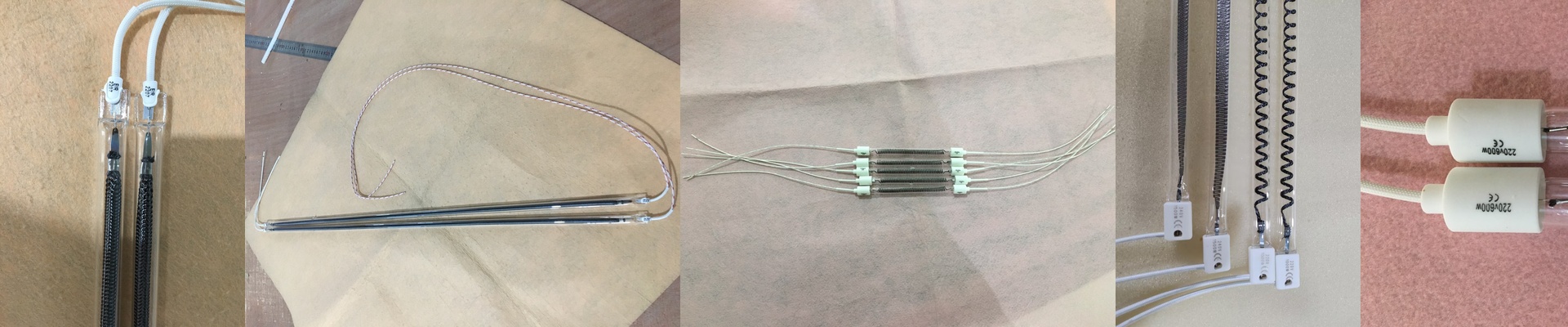
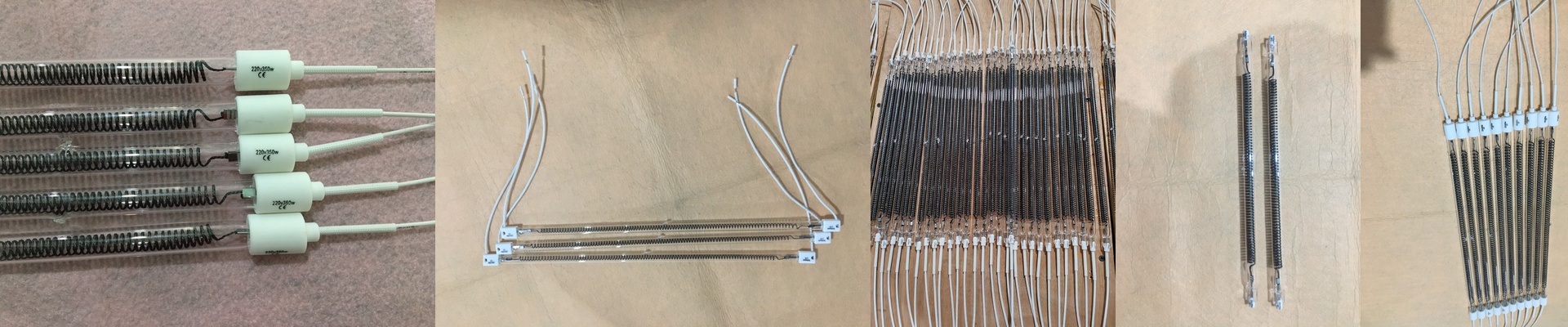
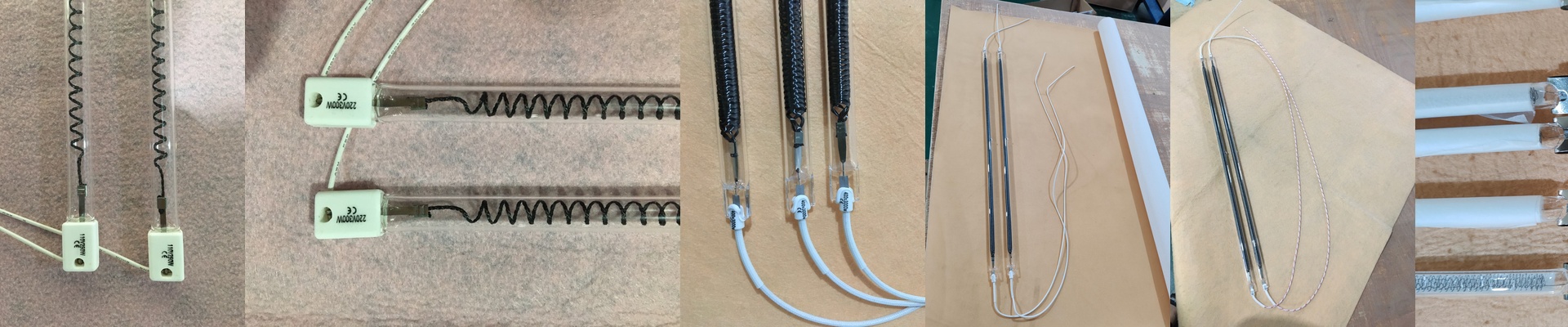
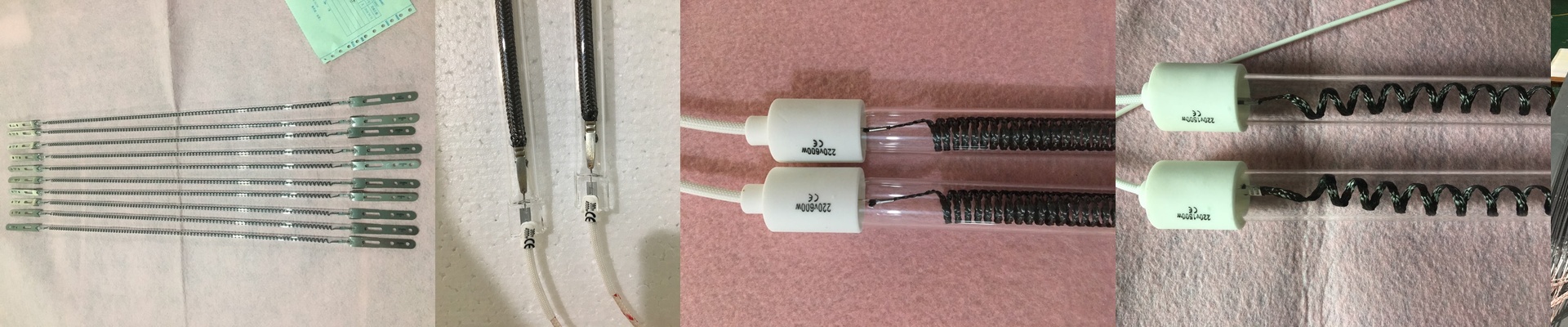
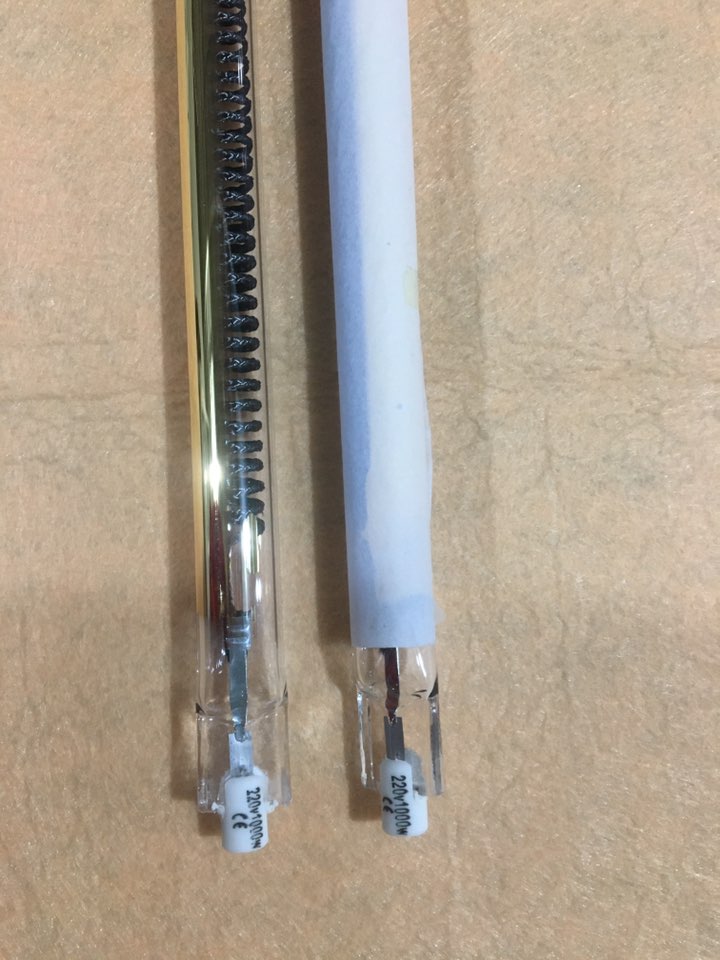
If you’re used to standard tungsten filaments, carbon fiber bulbs are a bit of a different beast. Instead of that old-school wire, we use a carbon fiber heating element tucked inside a quartz tube. The magic here is in the medium-wave infrared radiation. It’s just better at soaking into materials that have a lot of moisture or those tricky, dense polymers that usually fight back against heat.
Getting the Power Right
Here is the thing: your heat output is all about the voltage and wattage you choose. If you need things to dry or cure fast—like in a heavy industrial setup—you’ll want those higher wattage tubes. They ramp up quickly. But be careful with your transformer. You’ve got to match the output to the bulb’s rated voltage. If you push too much current through a low-voltage tube,snap. That’s the sound of your carbon fiber breaking. Not a great way to start the day.
The Build and the Connections
The quartz tube isn’t just for looks; it keeps the filament from oxidizing and dying early. We use specific end-caps, like R7s or SK15, because you need a tight fit. Loose connections are a nightmare. They create hotspots that can actually melt your sockets. On the bright side, carbon fiber is way tougher than thin tungsten. It can take a beating in machinery that vibrates a lot without just giving up.
Making It Work in Your Setup
You can usually pop these right into older halogen systems. You’ll notice the heat feels more uniform, and it penetrates deeper into whatever you’re heating. But there’s a catch. Carbon fiber isn’t as “instant” as short-wave halogen lamps. There’s a slight lag before they hit peak temperature. You’ll need to tweak your PID loop tuning to account for that delay. Also, these things gethot. Really hot. Make sure your housing has plenty of airflow. If the air around that quartz tube gets trapped and overheats, you’re looking at a seal failure at the connector. And nobody wants to deal with that.