Getting the Heat Right: A Real Talk on Carbon Fiber IR Lamps
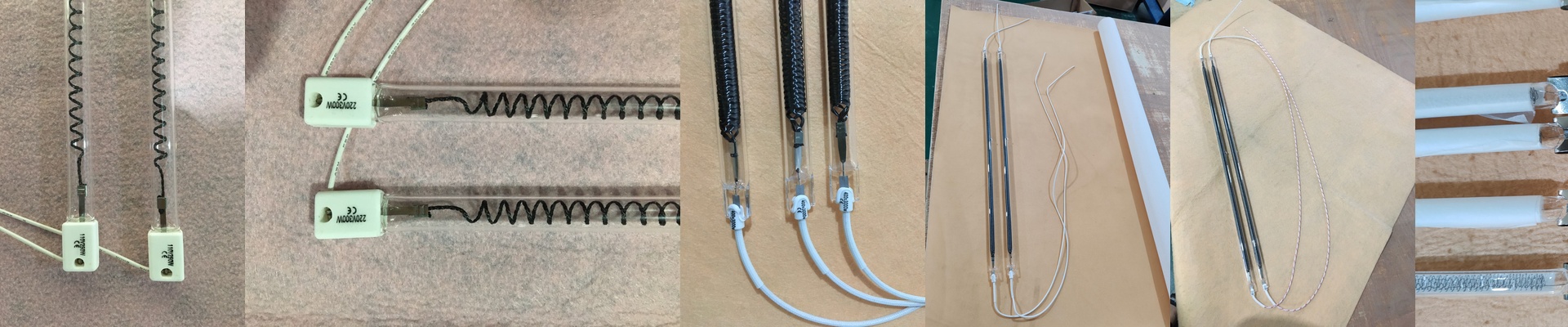
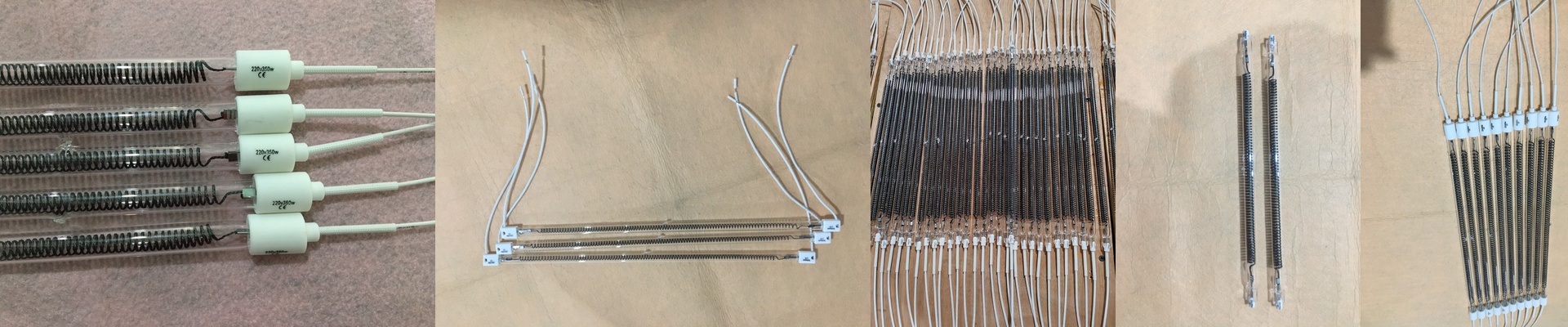
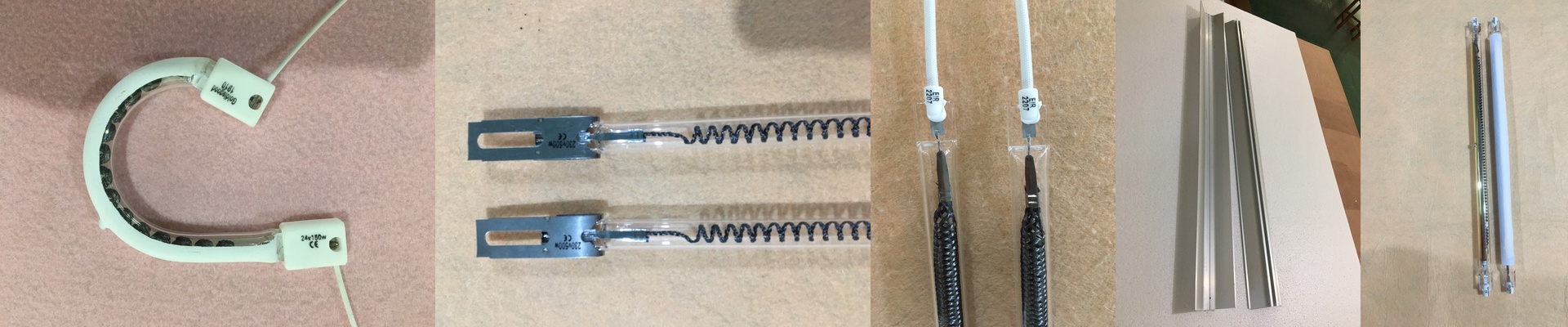
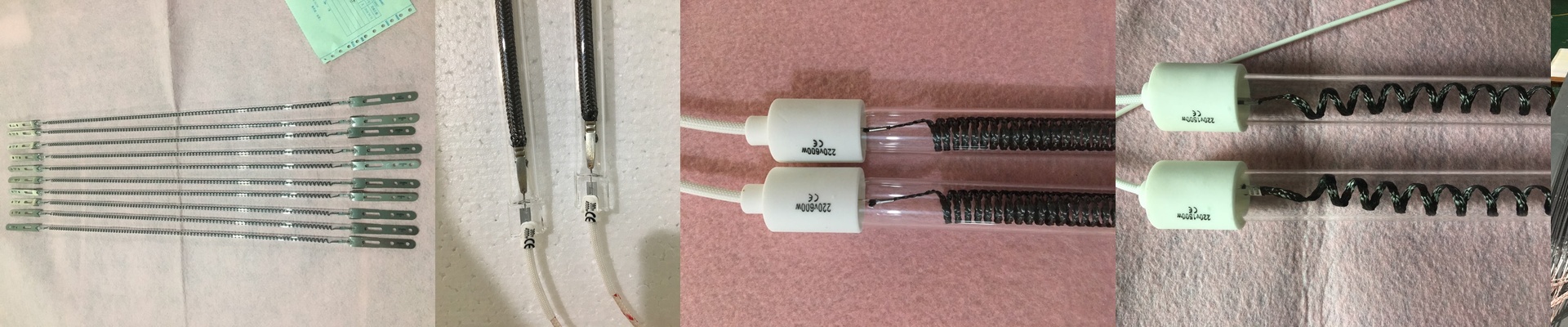
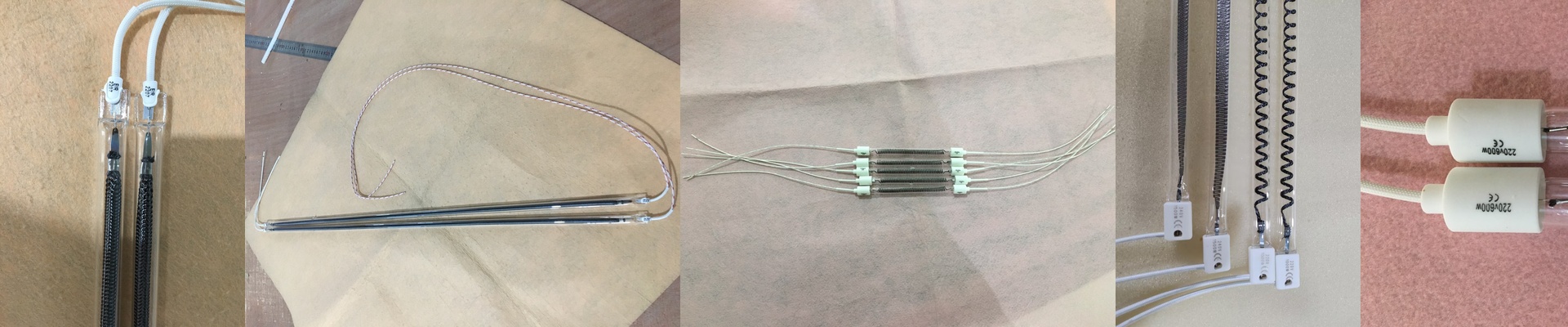
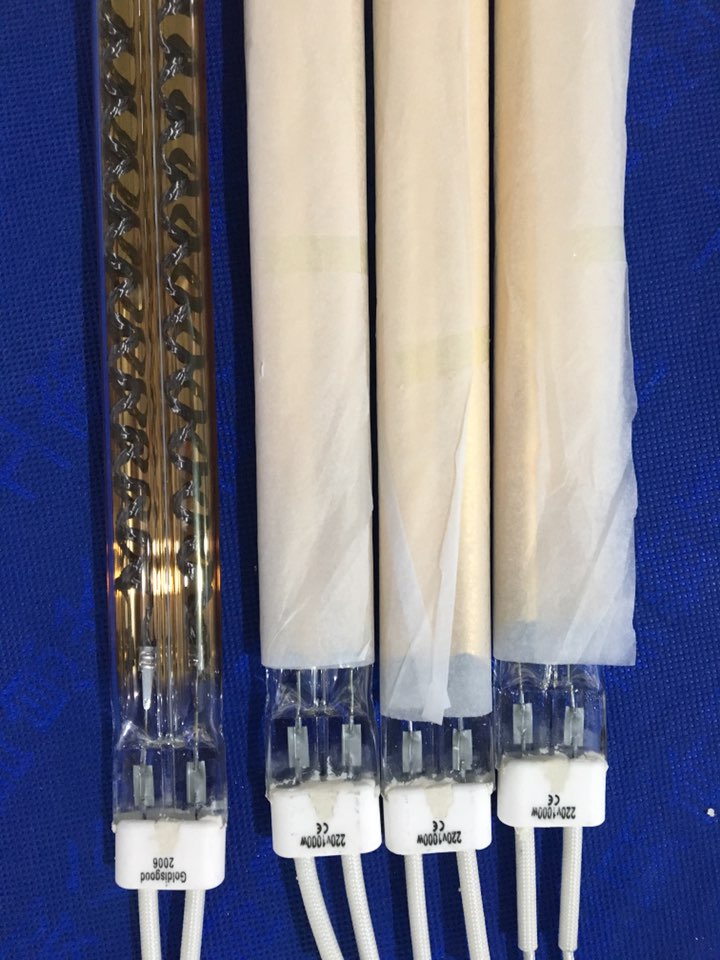
Most people are used to those standard quartz halogen tubes with the tungsten filaments. But these carbon fiber lamps? They’re a different beast entirely. By swapping out the tungsten for carbon fiber, we get a much broader spread of infrared heat—mostly hitting those medium-to-long waves. Let’s talk about the heat. When you’re picking a lamp, it really comes down to how much wattage you can cram into the length of the tube. That’s your heat density. If you need things to heat up fast—especially when your material can’t sit under a heat source for long without ruining it—you’ll want high wattage. We build these to fit your specific power grid, so you aren’t fighting with your wiring. Just a heads-up: if you push for max wattage in a tiny tube, that heat flux gets intense. Make sure your housing can actually handle the temperature, or you’ll end up with a warped frame and a big headache. The build quality We wrap the carbon fiber element in high-purity quartz glass. It does two things: it keeps the element from oxidizing and lets the IR waves fly right through without getting trapped. For the plugs, we stick to the basics like R7s or Sk15. Why? Because when a lamp eventually burns out, you want to be able to slide a new one in and get back to work immediately. Some of our lamps even come with a special coating. It can either tweak the heat spectrum or just stop chemical splashes from ruining the glass when things get messy on the shop floor. The trade-offs If you’re doing PET blowing or curing plastics, these are pretty much the gold standard. The heat is way more even than what you get with short-wave lamps. But here’s the thing: carbon fiber is a bit more temperamental than tungsten during the install. Be gentle. If you manhandle them, they’ll snap. Once they’re wired in and humming, they’re incredibly stable. Just make sure you’re using a decent PID controller. You don’t want to overshoot your target temperature and accidentally melt your project.