The Lowdown on Carbon Fiber Infrared Heaters
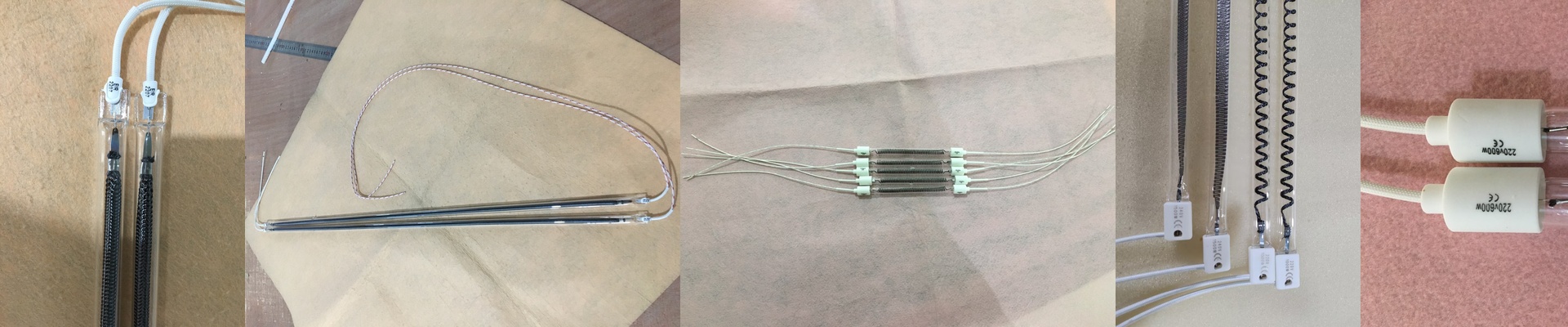
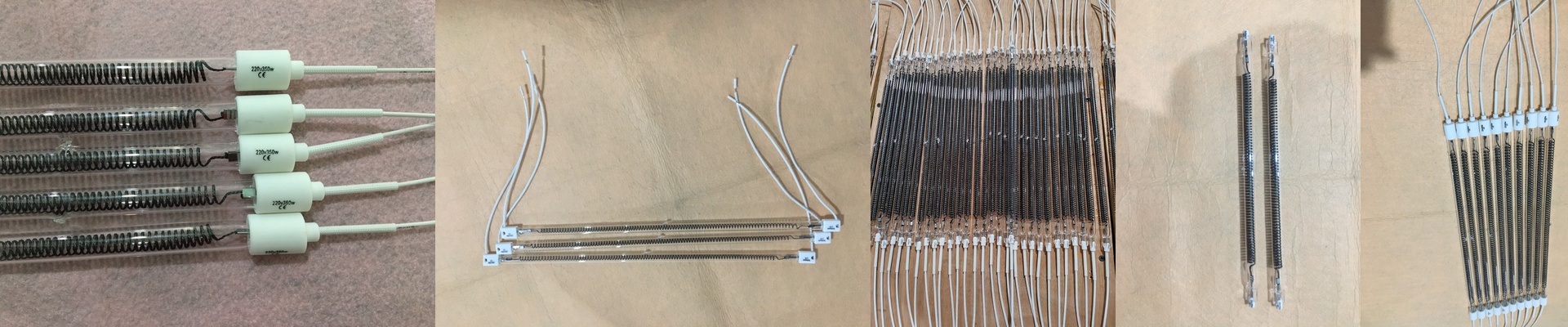
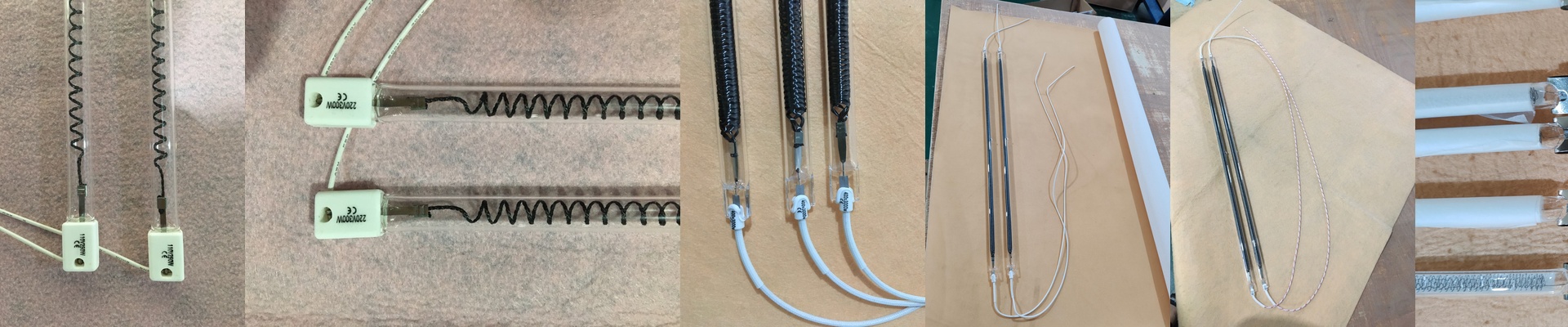
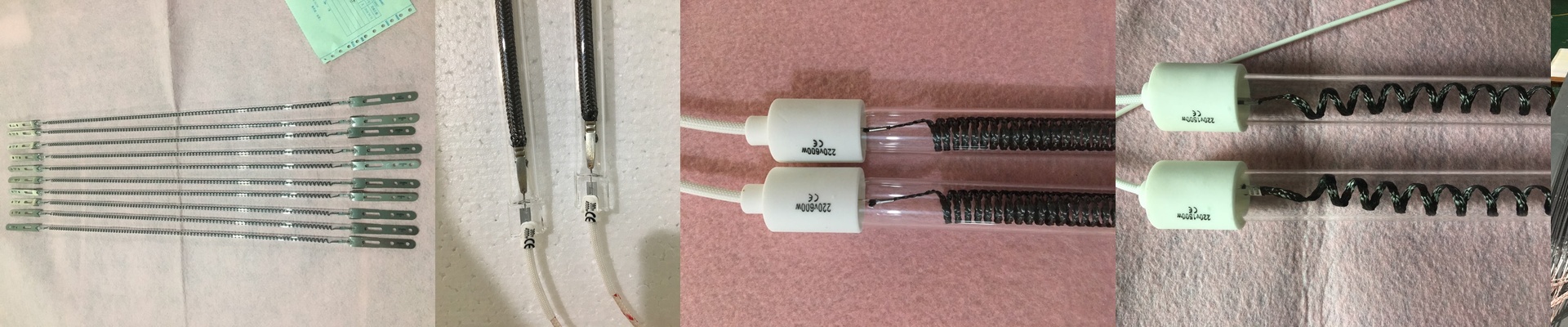
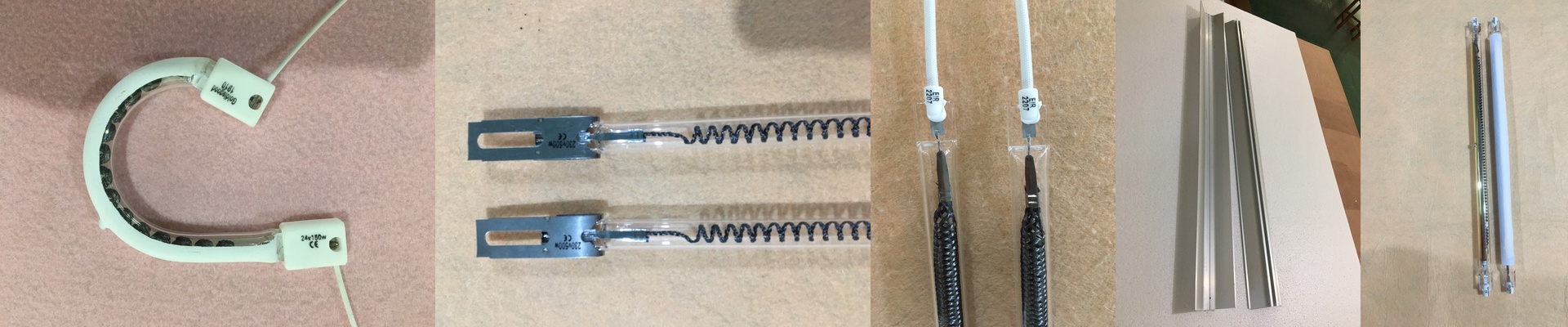
Here is the thing about carbon fiber lamps: they don’t play by the same rules as your old quartz or halogen tubes. Instead of just warming up the air around them, these use a carbon fiber filament tucked inside a quartz sleeve to shoot high-intensity shortwave radiation straight at your material. It’s direct. It’s fast. And it saves you a lot of wasted energy. Getting the heat right When you’re picking your wattage and voltage, you’re basically deciding how hard you want to hit the target. If you’re running a high-speed production line where every second counts, you’ll want high wattage. These things ramp up to temperature in a blink. But a word of caution: don’t try to “cheat” the system by over-volting the lamp to get a bit more heat. You might get a temporary boost, but you’ll kill the filament way faster than you should. Just match it to your power supply and let it do its job. The build and the fit We stick with quartz glass for the outer shell because it lets that shortwave IR pass through without soaking it up. Inside, the carbon fiber can handle way more heat than a standard metal filament, which means we can really push the thermal density. As for getting them into your machine, we usually use R7s or SK15 connectors. They’re pretty much drop-in replacements for most industrial setups. Just double-check that your sockets can handle the current draw. Nobody wants to deal with a melted socket mid-shift. Making it work in the real world These are perfect for things like PET blowing, curing paint, or welding plastics. But because the heat is so concentrated, your reflectors have to be spot on. If the reflection is off, you’re just wasting power and cooking your own lamp housing. One last tip: that kind of heat can be brutal on nearby sensors. If you don’t shield your electronics or use heat-resistant wiring, your system is going to flake out under a heavy load. Give your gear some breathing room, and you’ll be golden.