Let’s Talk About Carbon Fiber and Quartz IR Lamps
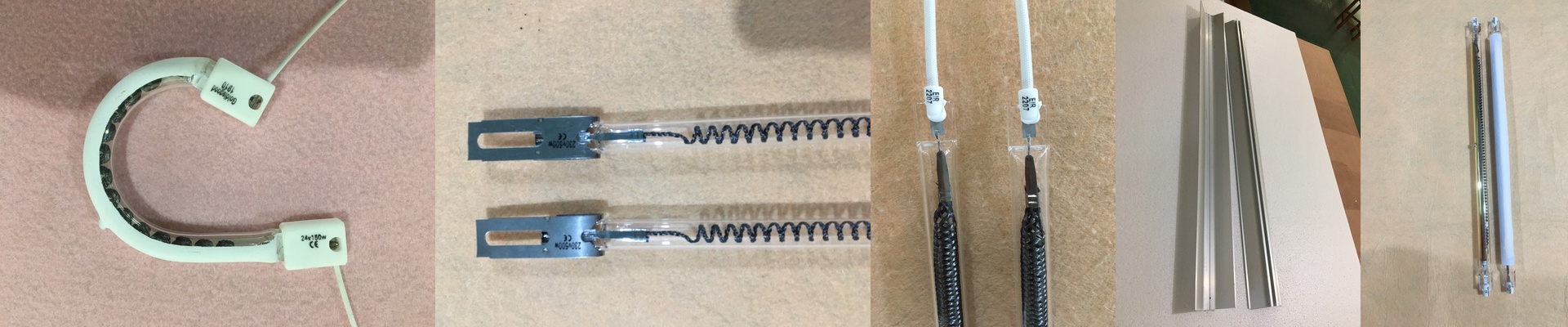
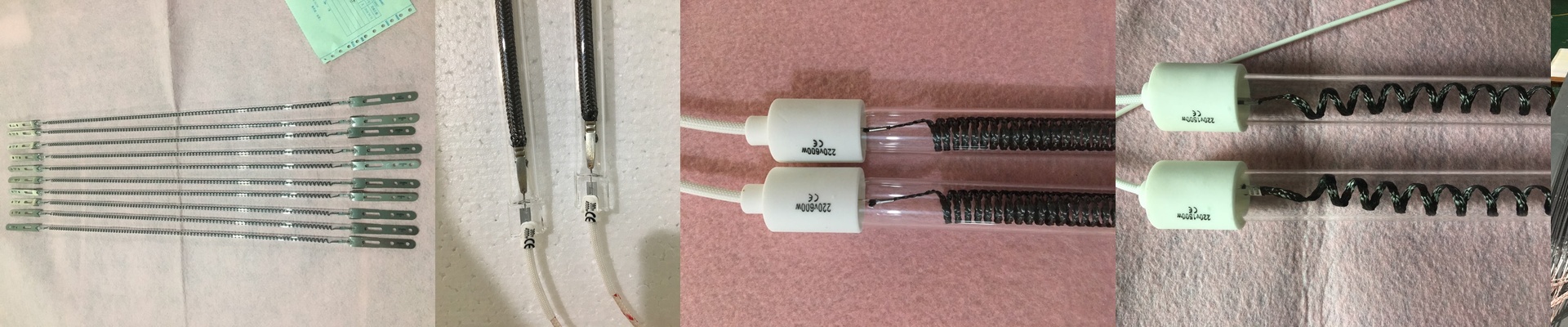
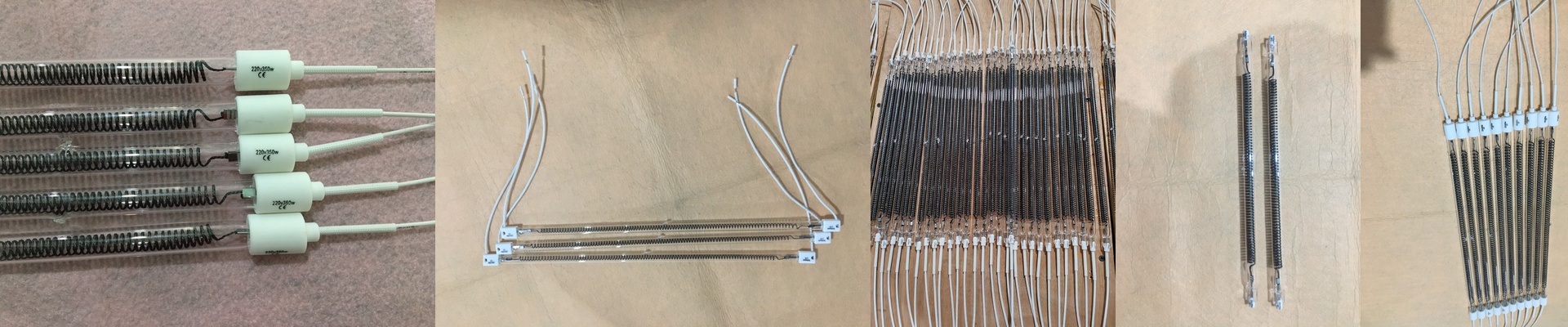
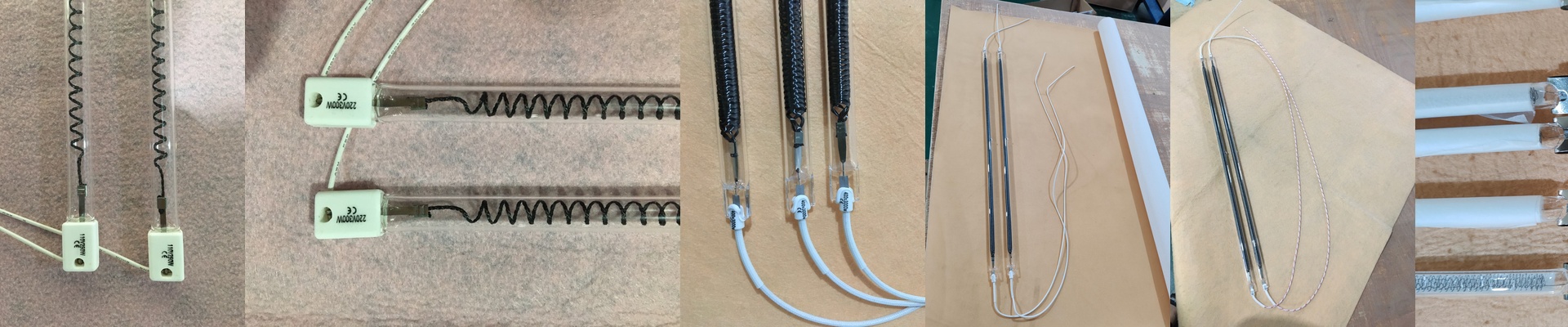
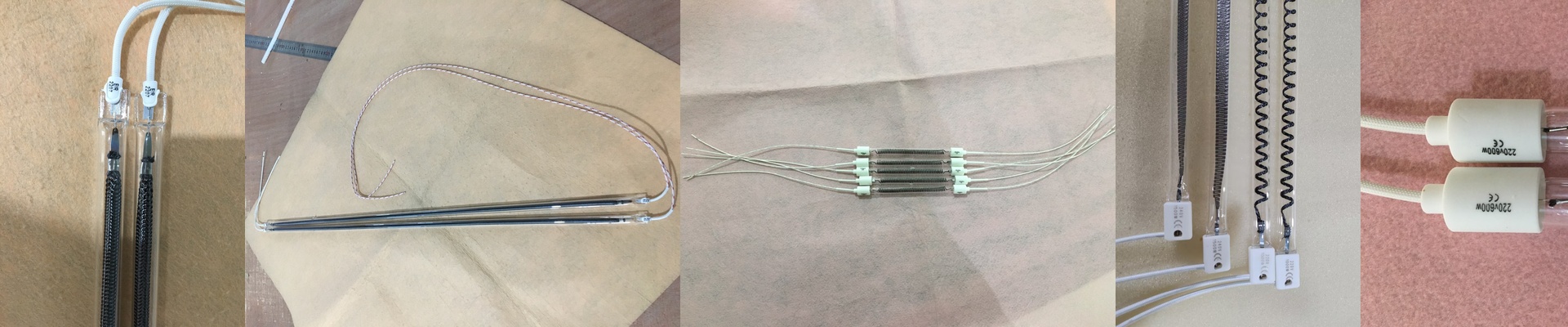
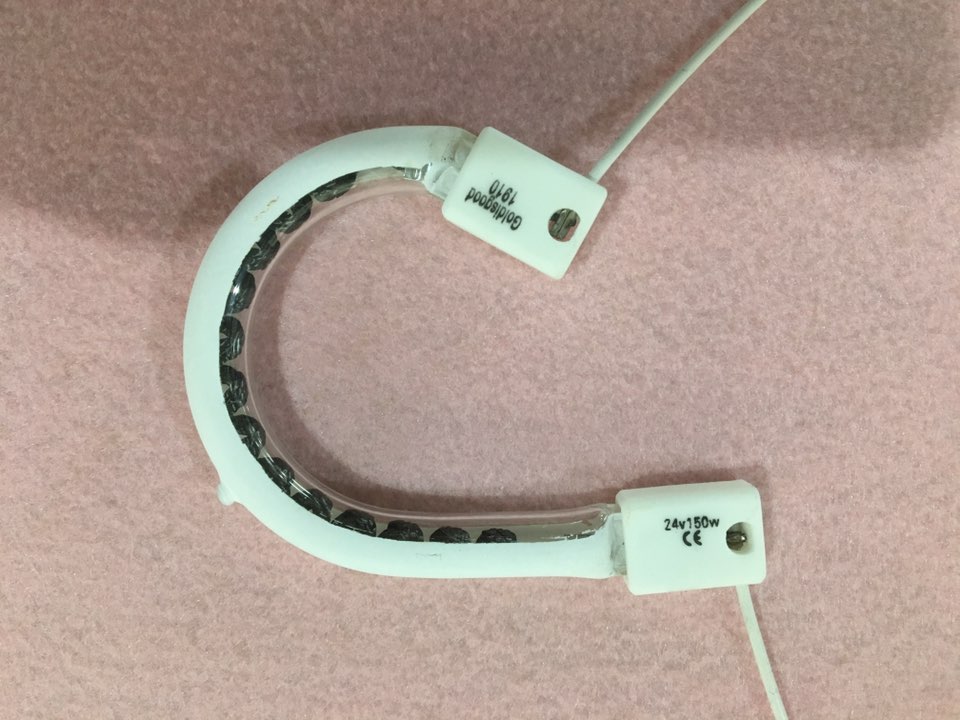
When we build these infrared lamps, we basically rely on two things: carbon fiber filaments and quartz tubes. The goal is simple. We want to turn electricity into radiant heat that hits your material directly, rather than wasting energy heating up all the air in the room. Getting the power right The real magic happens in the wattage and voltage. If you’re doing PET blowing or need something to cure fast, you’ll want high-wattage tubes. They pack a punch. But here’s the thing: if you crank up the voltage to hit those high temperatures, you’re putting a lot of pressure on the quartz glass. If your housing can’t breathe or move that ambient heat away, the tube might just snap from the thermal shock. It’s a delicate balance. Why carbon and quartz? We go with high-purity quartz because it can take a beating from extreme heat and lets the IR radiation slide right through without soaking it up. Inside, we use carbon fiber filaments. They’re different from your standard metal coils. They handle heavy current loads way better and put out a broad spectrum of heat. If you need the heat to soak deep into a material, carbon fiber is the way to go. Watch your connections This is where things usually go sideways. Whether you’re using R7s or Sk15 bases, the fit has to be tight. Like, really tight. If the connection is loose, you’ll get an arc. That little spark will fry your socket and kill the lamp before you even know what happened. Real-world use (and the catch) You can slide these right into your molding machines or drying tunnels. They’re a breeze to swap in and they’ll get you up to temperature way faster than a clunky convection oven. But there is a catch. Quartz is brittle. If your shop floor is vibrating or people are bumping into the equipment, you’ve got to shield these things. If you don’t, one bad bump means a shattered tube, a dead circuit, and a lot of annoying rewiring.