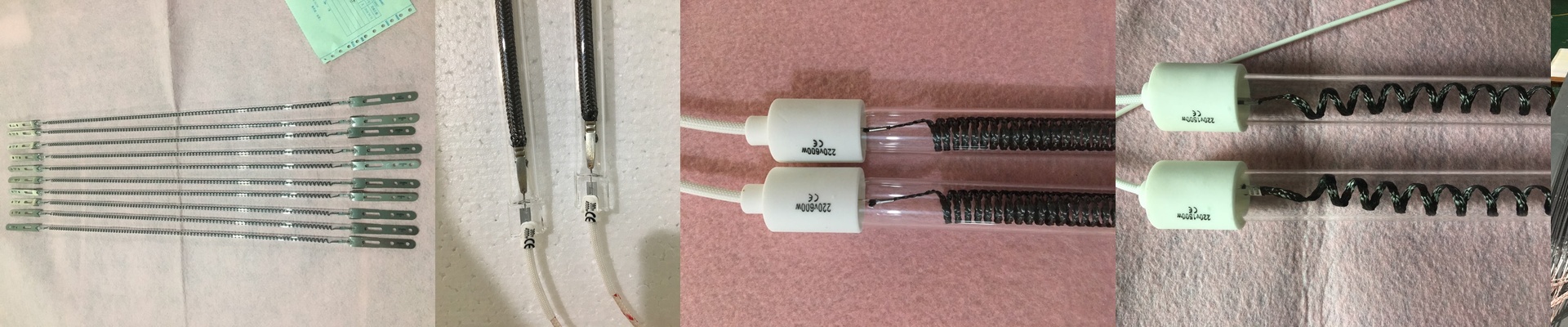
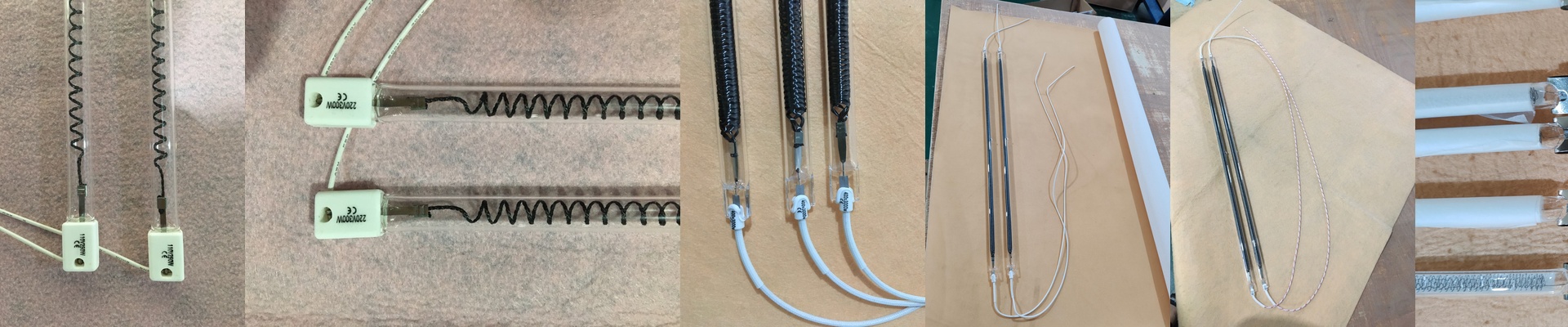
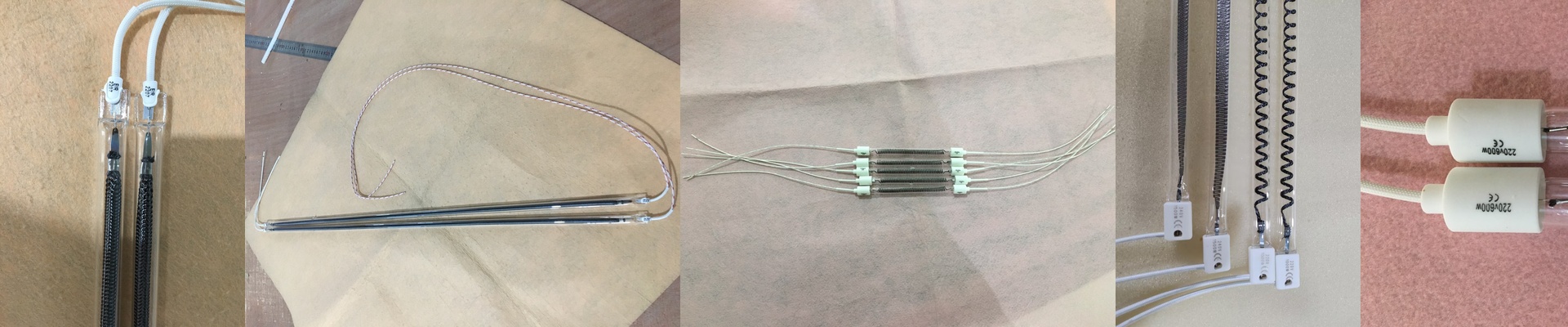
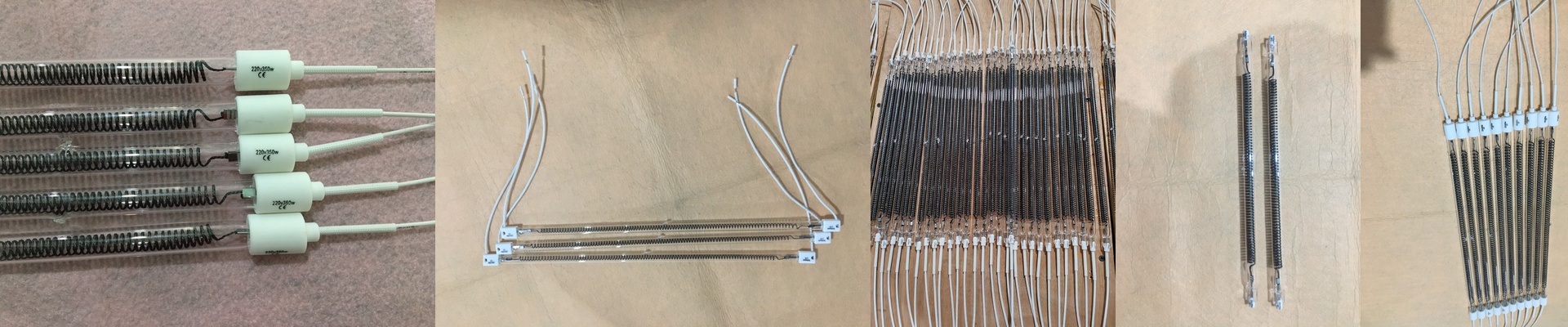
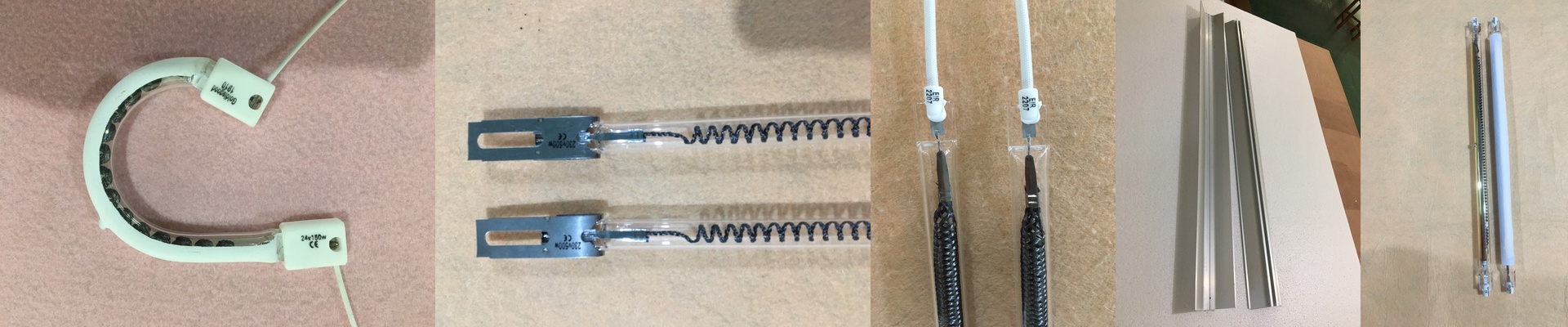
Let’s Talk About Carbon Fiber Heating Lamps
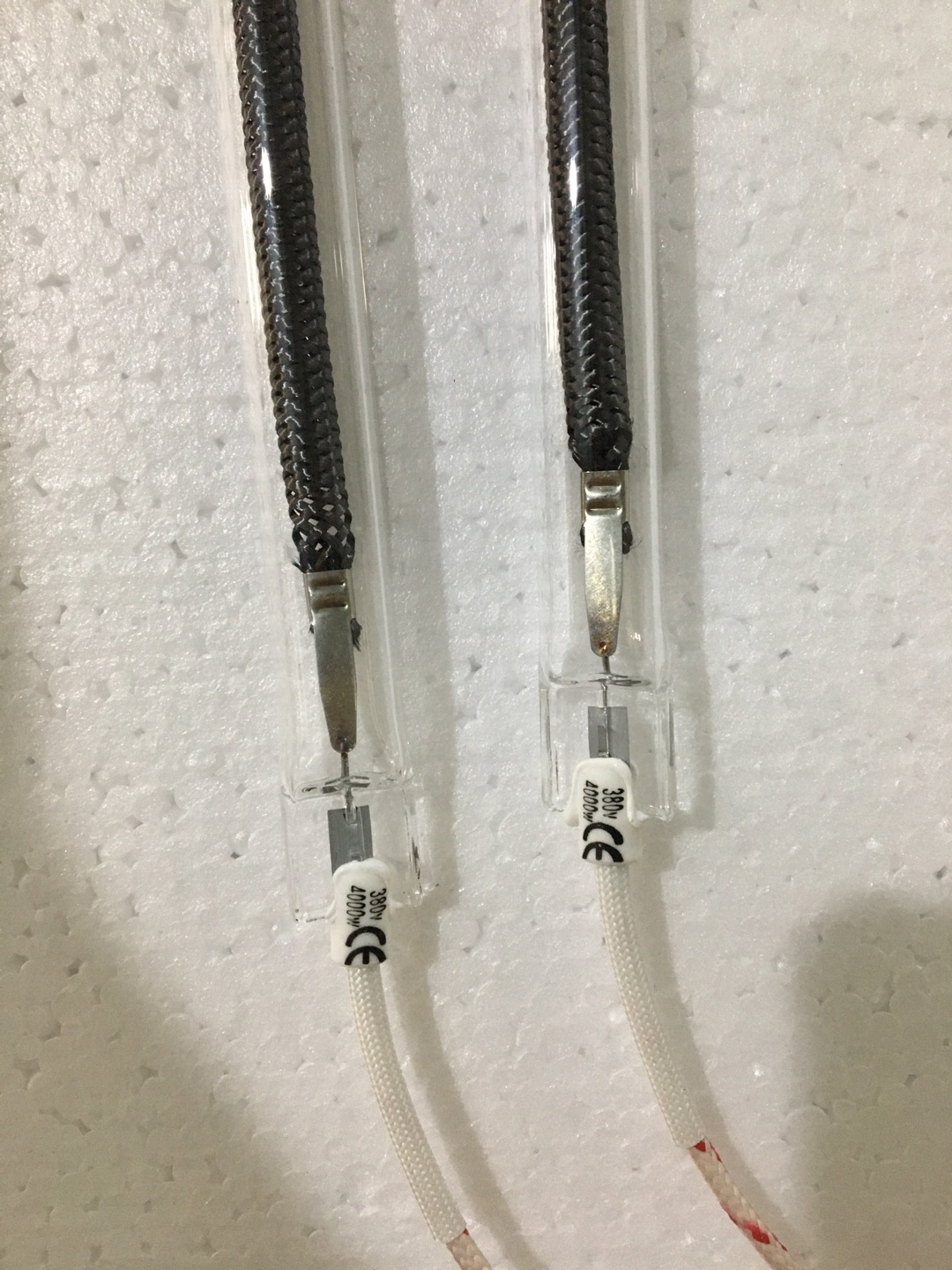
Most people think of those old-school metal-wire halogen tubes when they think of heat. But these carbon fiber lamps? They’re a different beast. We use a carbon-filament core wrapped in quartz to pump out short-wave infrared radiation. The big win here is speed. They heat up almost instantly and spread that warmth evenly across the whole lamp, so you don’t end up with weird cold spots. Getting the power right Here’s the thing: you have to be careful with your voltage and wattage. That’s what controls your heat flux. If you need a ton of concentrated energy hitting your workpiece, go with a high-wattage lamp. But please, double-check your power supply. If you push too much current through a low-voltage tube, the filament will just snap. Boom. Gone. On the flip side, if you under-power them, your heating becomes patchy and your whole process gets messy. The build and the bits We wrap the carbon fiber in high-purity quartz glass. Why? Because it can take a beating from extreme temperature swings without cracking. For the connectors, we usually stick with R7s or Sk15 bases. They’re easy to swap into most industrial setups. They fit tight, which is exactly what you want—no loose connections means no scary electrical arcing at the terminals. Plus, some of our lamps have a special coating. This tweaks the heat spectrum so it hits materials like PET or PVC exactly where it needs to. Real-world use (and the catch) You’ll see these all over the place for PET blowing and curing plastics. They’re great because they soften polymers fast and take up way less space than a giant oven. But a heads-up: these things gethot. Like, really hot. Since they’re so efficient at moving energy, your housing and cooling fans need to be up to the task. If your airflow gets blocked, that quartz envelope will overheat and shatter. Keep your cooling cycle steady and your wiring clean, and these lamps will last you a long time.