Introduction
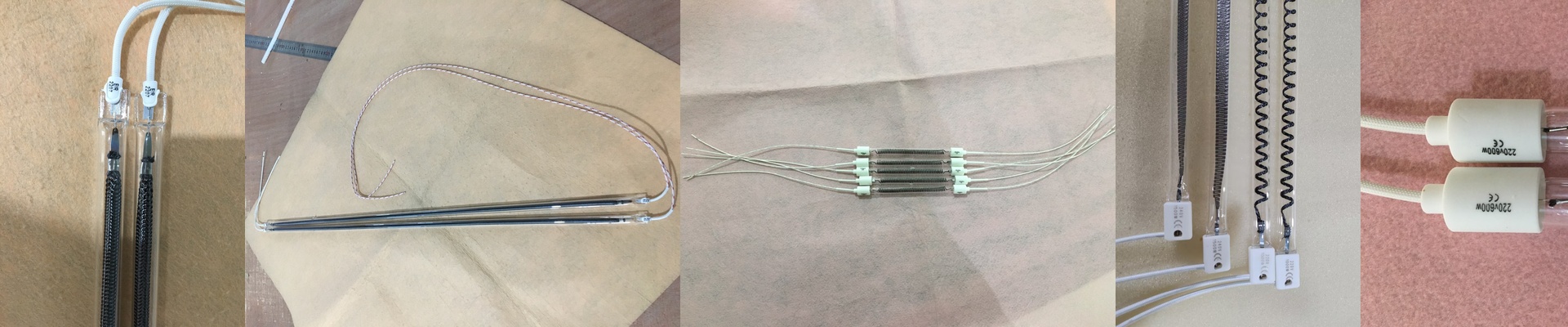
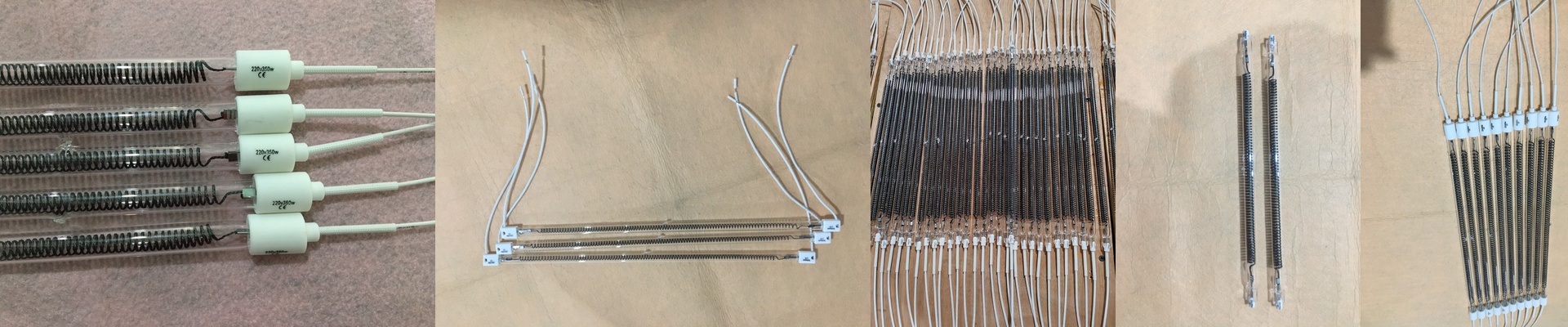
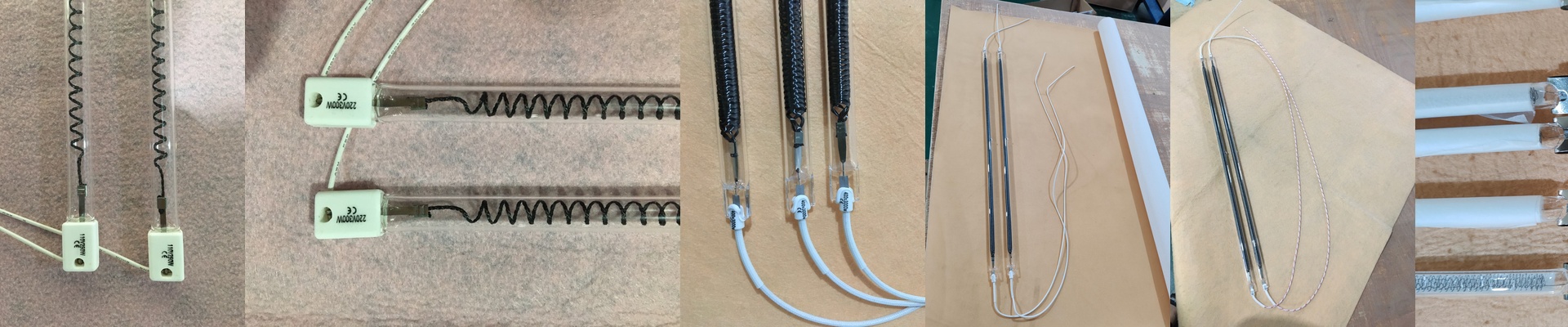
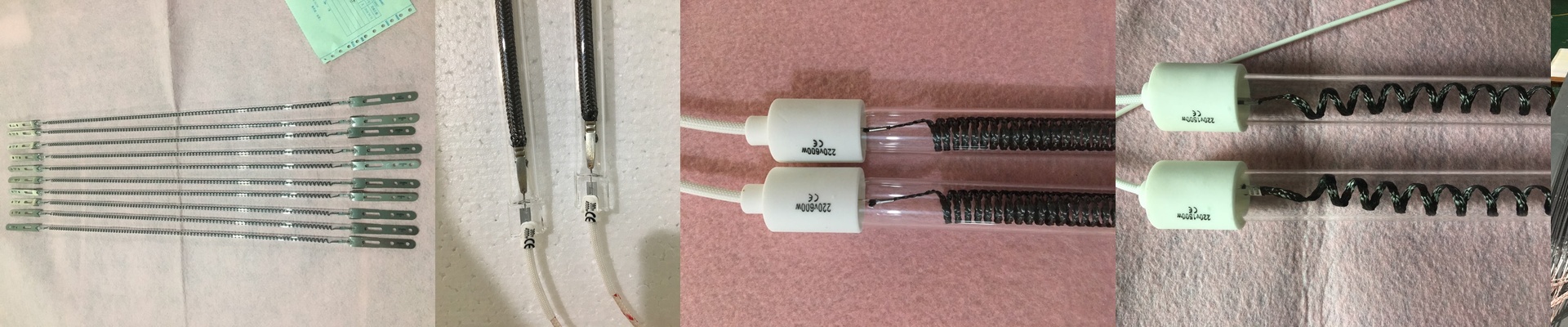
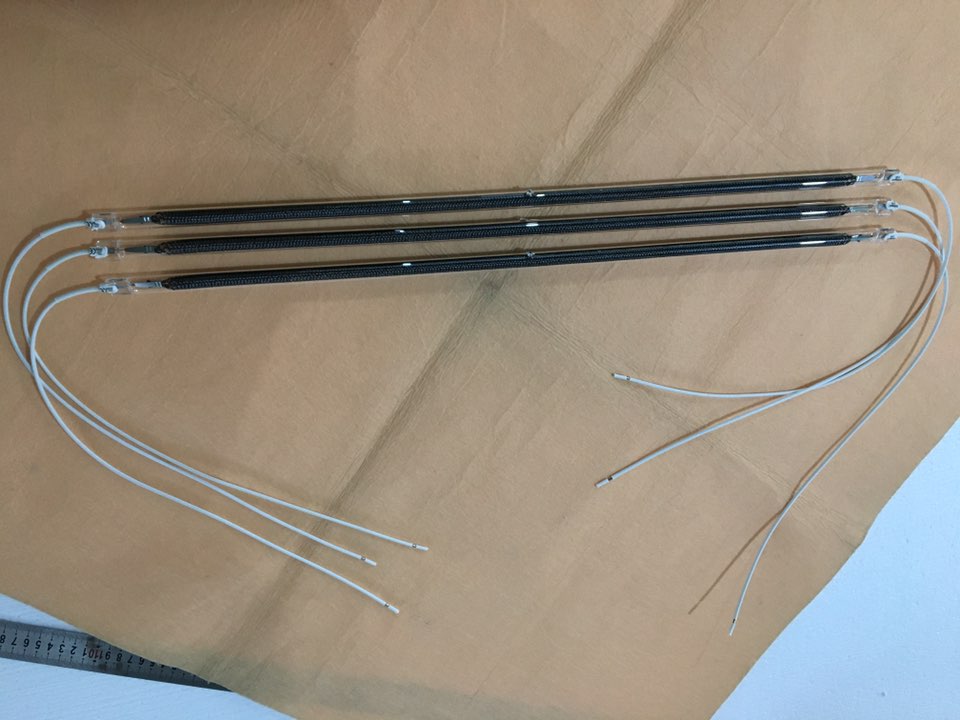
We built this 640mm, 2600W carbon fiber heating lamp for one reason: to be the heat source industrial dryers can actually count on. It was designed to snap to temperature, run hard, and keep going—day after day—through drying and curing cycles that never quit. If you’re an engineer who needs a heater that’s small but seriously powerful, this is it. It slips into existing equipment without forcing you to redesign the whole thermal setup.
The Inside Story
We made it 640mm long and 2600W for a reason. That size lines up with typical dryer chamber widths and airflow paths, so you get a heat profile that’s predictable where it matters—right across the target zone. The wattage gives you high heat density, which means the lamp can climb fast and then hold steady, even when airflow changes. And the carbon fiber element? It’s why the temperature ramps up quickly. That translates to shorter warm-ups and less energy wasted while the machine is just sitting there. But here’s the catch: that kind of power has to be managed. The housing and mounting hardware have to handle sustained high heat. And your dryer’s airflow needs to be sized right for the load. If the airflow is too small, things run hot—and parts wear out way faster than they should.
Materials and the Way It’s Built
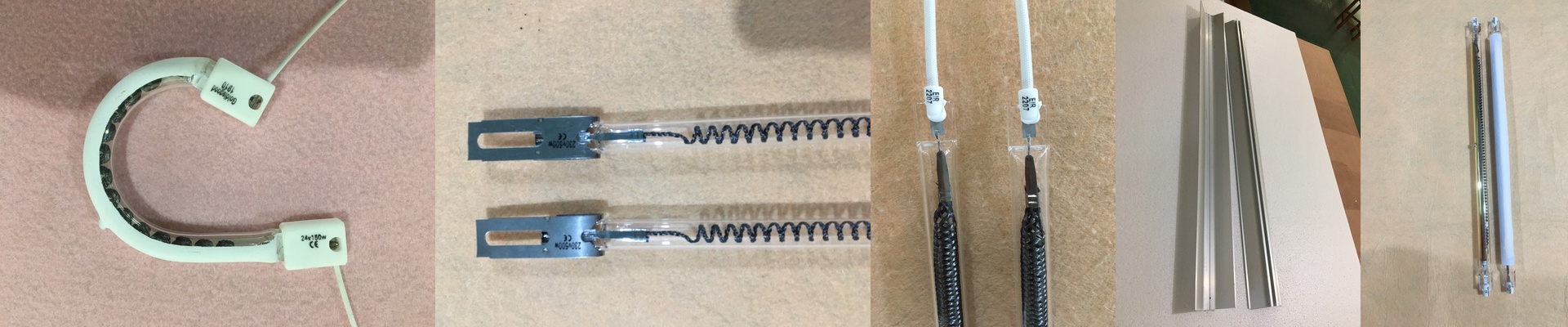
Carbon fiber elements deliver stable resistance and spread heat evenly. That helps prevent hot spots that can kill a heater early. We wrap the element in a quartz envelope because it stays steady at high temperatures and resists thermal shock. So it can handle repeated on/off cycles without cracking. Inside, a halogen gas fill protects the filament from oxidation, which keeps the output consistent over time. Then there’s the R7s connector—standard, compact, and straightforward. It makes wiring simpler and lets the lamp drop right into many existing dryer heater sockets. Less rework. Less downtime.
Where It Shines—and What to Keep in Mind
In a dryer, you usually position this lamp to hit the product or the air stream with direct or near-direct radiant heat, depending on how the airflow is set up. Because it responds so fast, you can keep the heating window tight and maintain consistent drying from batch to batch. And the footprint is small enough to fit where bigger heating systems just can’t go. Now, the carbon fiber element and quartz envelope are tough, but they still need the right environment. Give it proper airflow and keep the thermal clearances. Run it in a well-ventilated path and stick to the rated mounting distances so the socket and wiring don’t cook. When you spec it correctly, you get output you can rely on, installation that doesn’t drag on, and performance that shows up the same way every shift.