Stop the Swings: Getting Your Brake Pad Curing Right
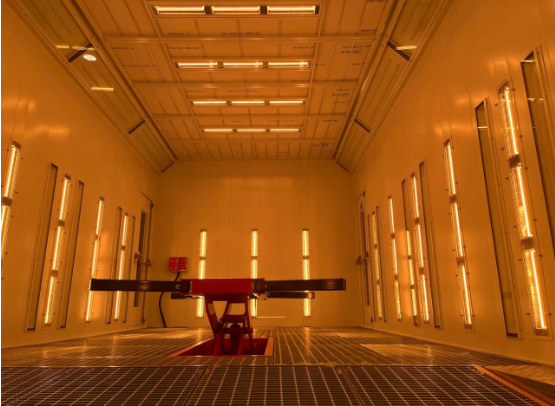
If you’ve ever dealt with a curing line, you know the nightmare of uneven density. One batch is perfect, the next fails quality control because the heat dipped for a few minutes. It’s frustrating. We build custom infrared modules to kill those fluctuations. The goal is simple: keep the heat dead-steady, even when you’re running 24/7.
It all starts with the power
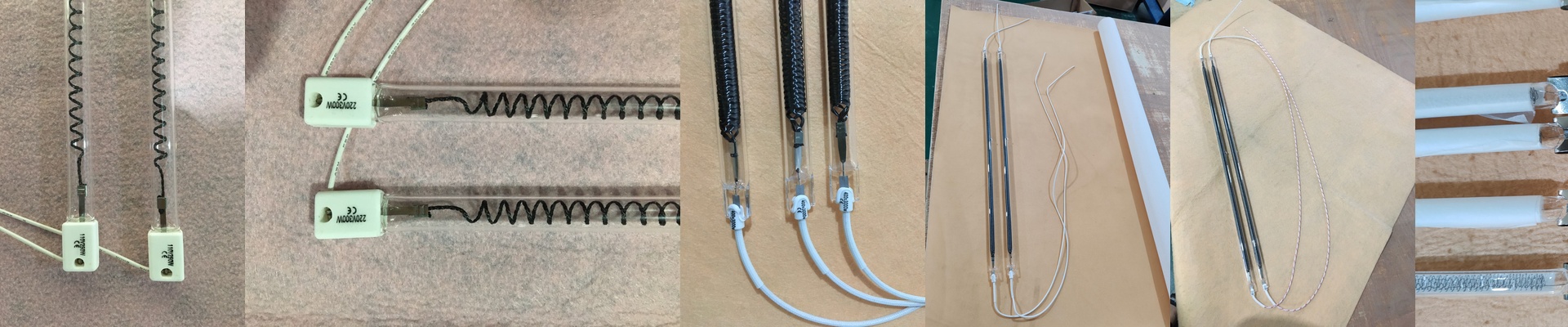
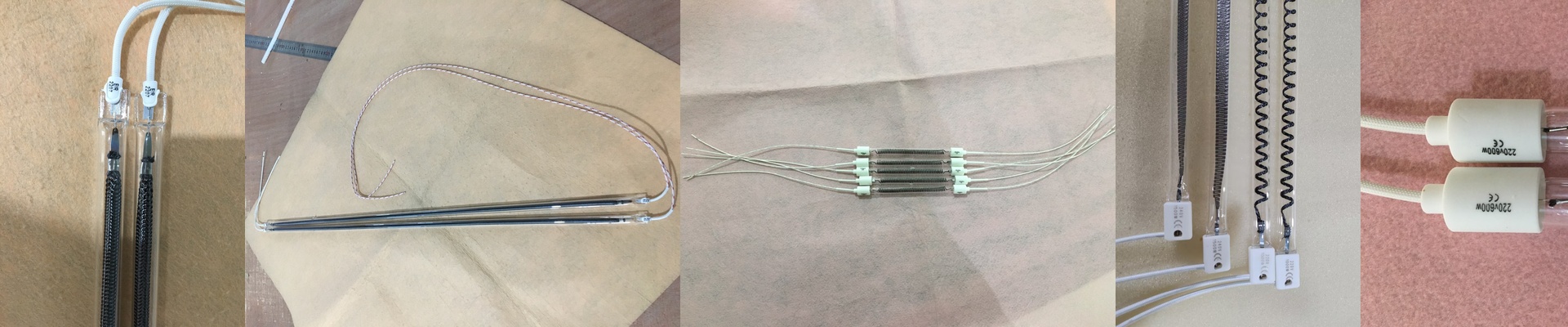
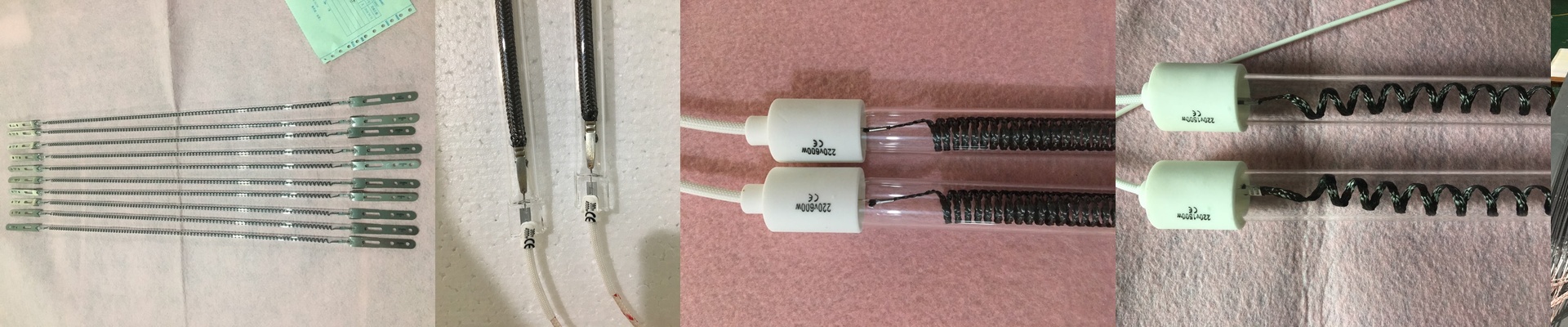
Here’s the thing about industrial grids—they aren’t always stable. Small voltage drops happen. In a curing oven, those tiny dips create “cold spots” that ruin your product. To stop that, we obsess over the load balance. We use high-grade quartz envelopes and a specific way of winding the filaments. Why? Because it keeps the wattage flat across the entire tube. No hot spots, no cold spots. Just consistent heat.
Fast heat, tough builds
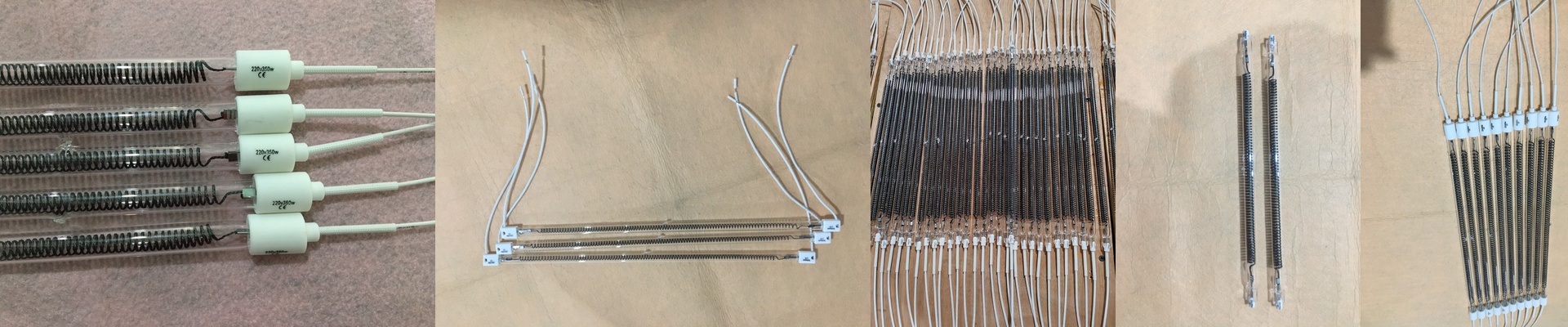
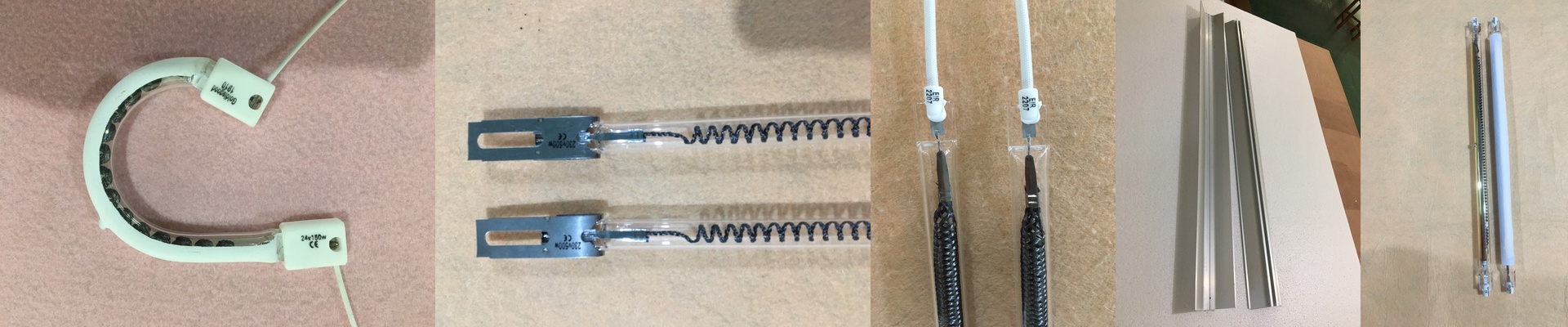
We use shortwave IR because it hits the resin fast. Really fast. That means you don’t have to crawl your conveyor along just to get the core temperature up. You can keep your pace without sacrificing the cure. We also add specialized coatings that bounce the heat back toward the pads and keep the housing from getting cooked. But let’s be honest: brake plants are dirty. Between the dust and the chemical off-gassing, standard heaters just don’t last. They foul up and burn out. We use reinforced seals and industrial connectors to fight that. You can swap them out quickly if you have to, but they’re built to chew through thousands of hours before the filament even thinks about sagging.
One thing to watch out for
There is a catch. High-density IR modules put out a massive amount of heat. If your exhaust fans aren’t up to the task, you’re going to have a problem. You can’t just crank the heat without moving the air; otherwise, you’ll fry your own wiring and control boards. You have to balance that output with your airflow to keep the chassis safe. Stick these to a stabilized power supply, and they’ll hold their temperature without drifting. Simple as that.