How to Stop Brake Squeal by Fixing Your Curing Process
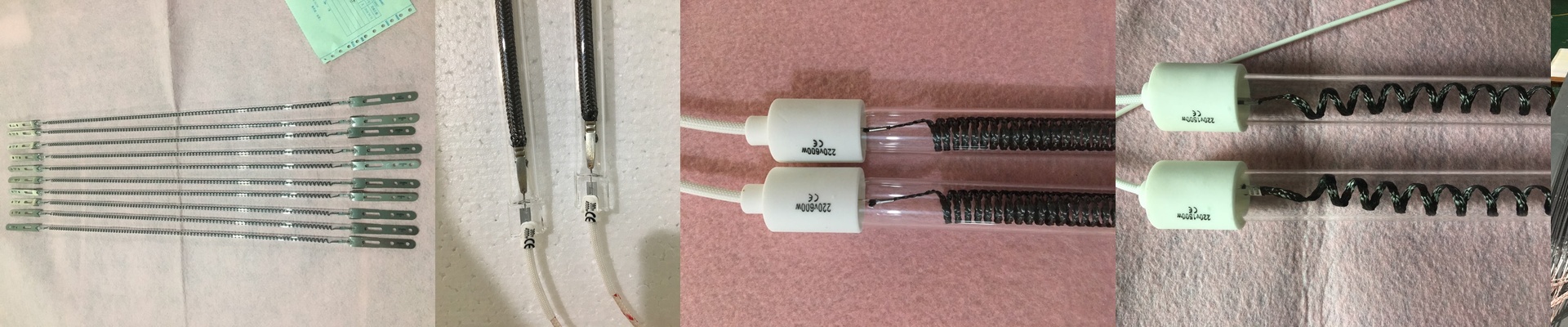
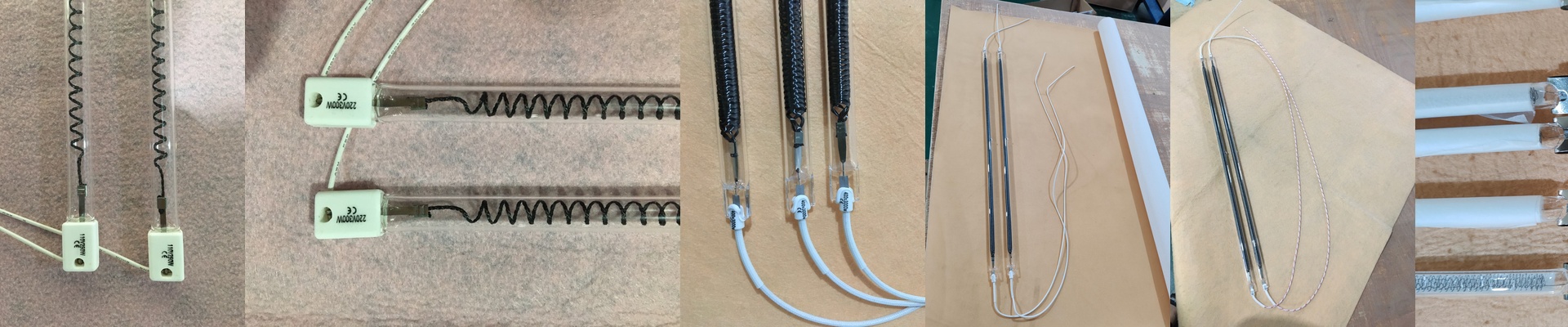
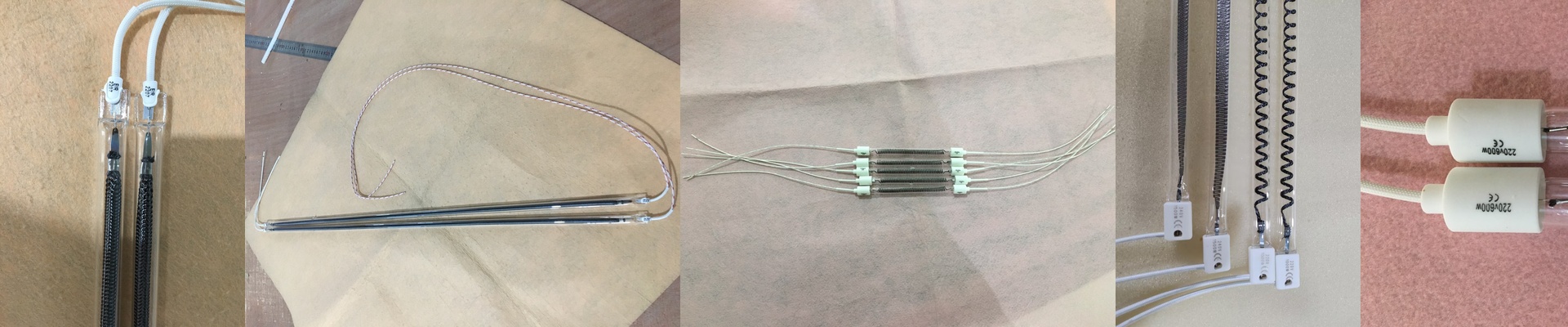
Ever wonder why some brake pads just won’t stop squealing? Usually, it comes down to how they were cured. If you’re using a standard oven, the outside of the friction material hardens way too fast, leaving the core under-cured. This creates a weird density gap inside the pad. That internal stress leads to erratic friction, and that’s where that annoying noise comes from. We found a better way: shortwave quartz infrared heaters.
Getting the heat where it actually matters
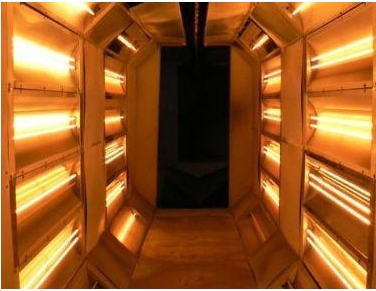
Hot air is slow. It hits the surface and then has to crawl its way to the center. It’s inefficient. Shortwave IR is different. It doesn’t just sit on the surface; it penetrates deep into the composite. The energy hits the molecules in the core and the surface at the same time. The result? The whole lining cures evenly. No more density gaps. No more mystery noises.
The tricky part: Finding the sweet spot
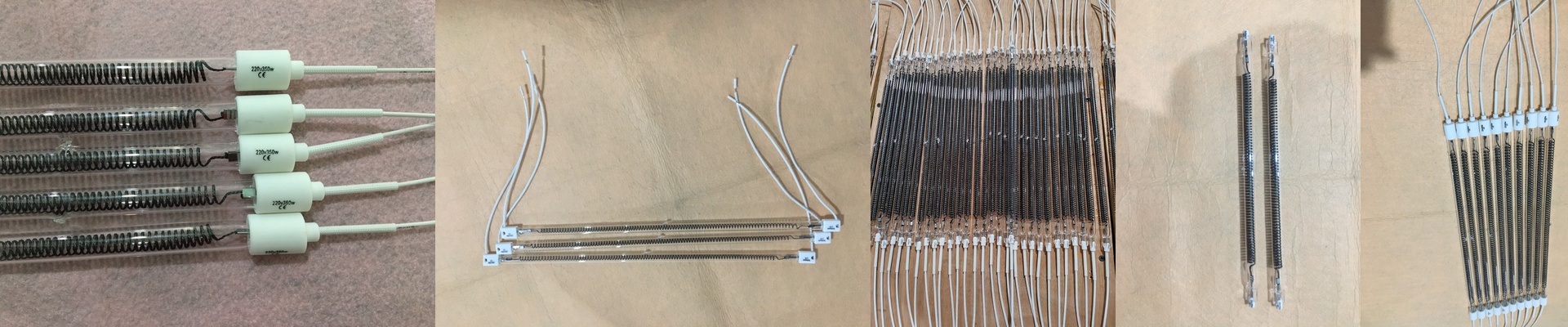
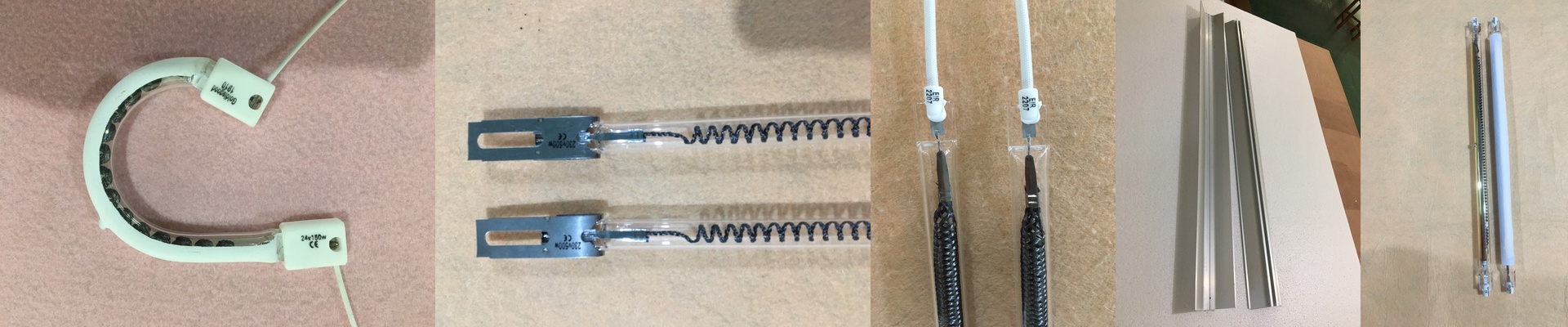
We use high-wattage quartz tubes because they trigger polymerization fast. The high-purity quartz means more energy actually gets into the part instead of bouncing off. But you can’t just crank the power and walk away. You have to balance your wattage with your conveyor speed. If you push too much heat without moving the line fast enough, you’ll scorch the surface before the middle even gets warm. You’ve got to tune your controls based on exactly how thick your pads are.
Getting it running on your floor
Setting this up isn’t a headache. We designed these heaters to be drop-in replacements for your old elements. Just a heads-up: check your cabling. These quartz banks pull a lot of current, so make sure your power grid can handle the load. One last thing—spacing is everything. If the tube is too close or too far, you’ll get hot spots. We use a fixed jig to keep the gap perfectly consistent. It takes the guesswork out of the process. You stop fighting the material, and the squeal finally disappears.