How to Stop Your Brake Pads From Cracking During Curing
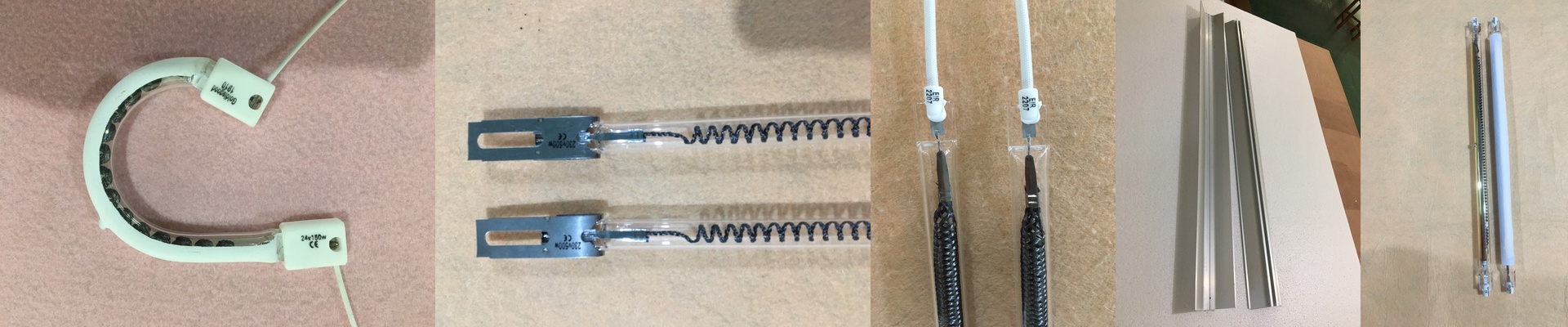
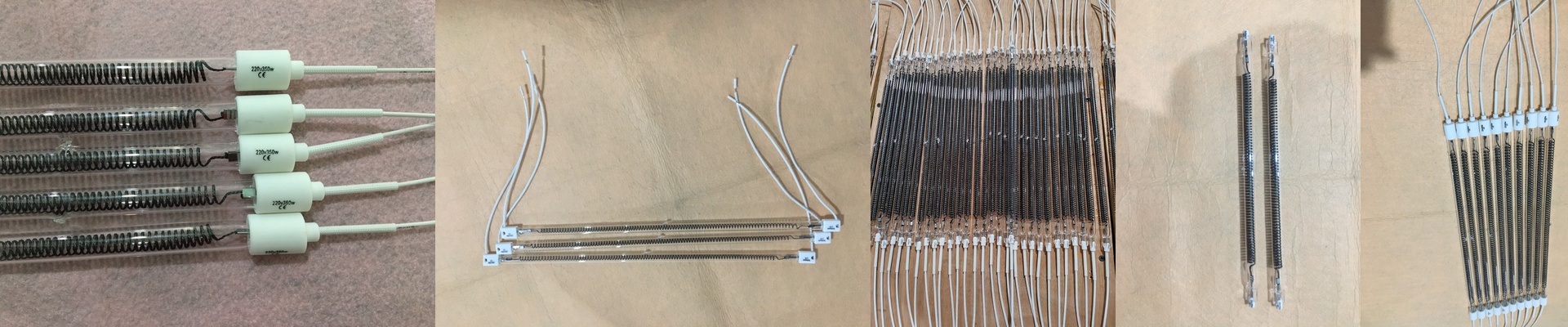
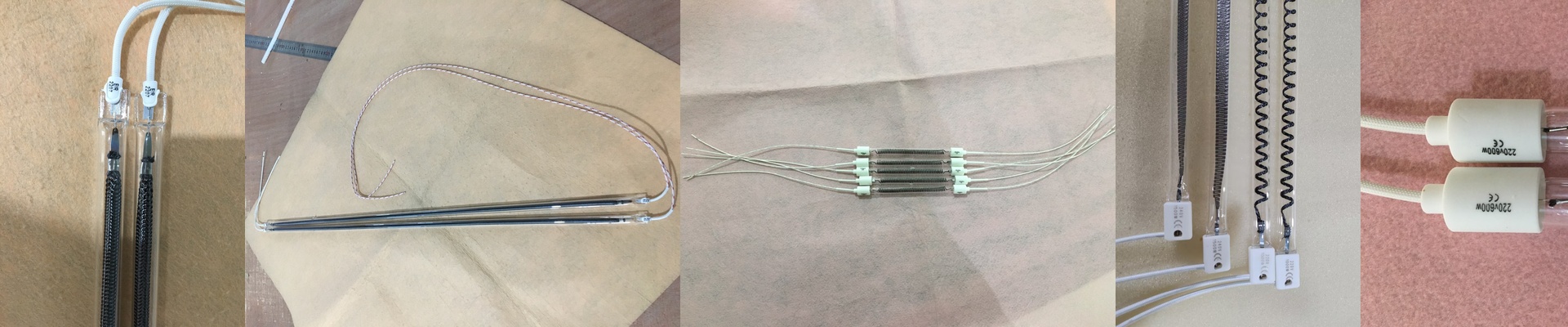
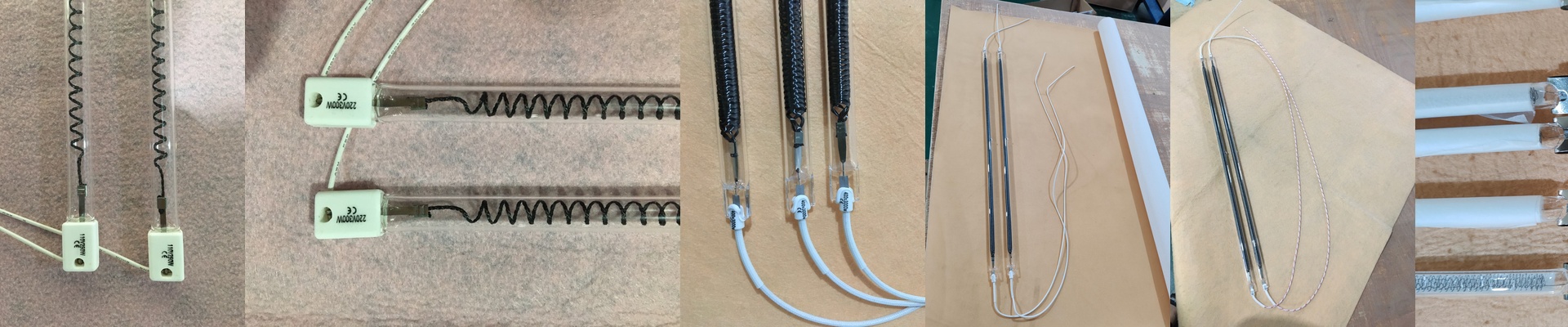
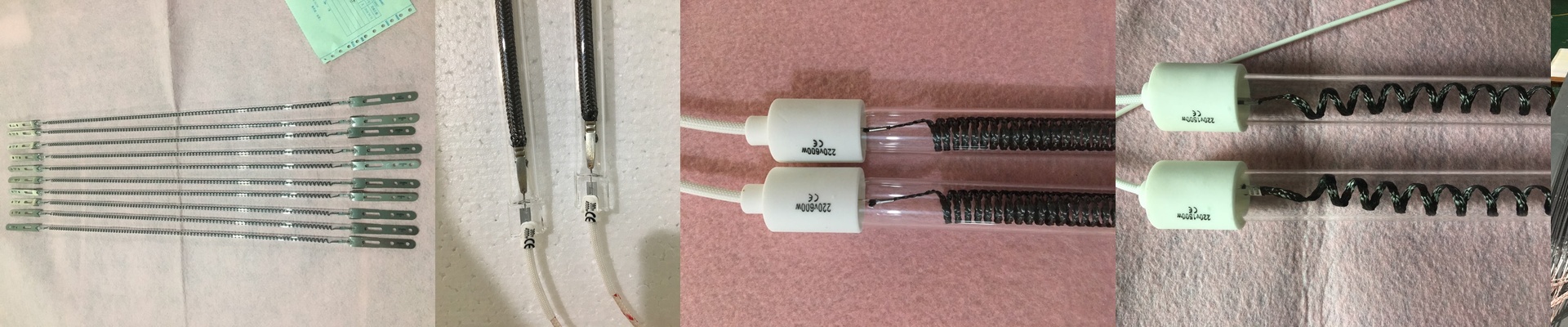
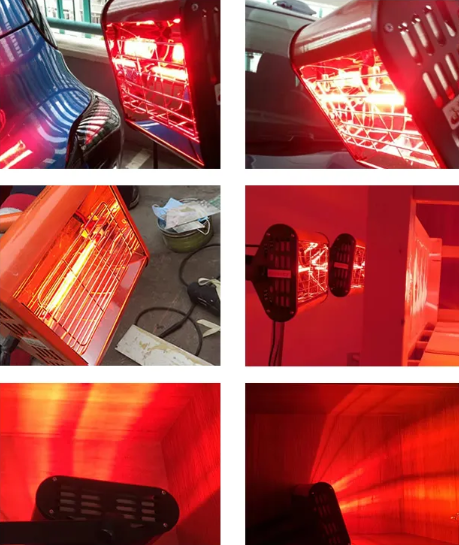
Curing brake pads is a bit of a tightrope walk. If you crank the heat too fast, the organic binders basically panic and off-gas violently. That creates a ton of internal pressure, and before you know it, you’ve got porosity and surface cracks all over your parts. To keep things from falling apart, we rely on precision infrared (IR) heaters. They help us manage the heat flow so the structure actually stays intact. The problem with old-school ovens Think about a traditional convection oven. It heats the air, and then the air heats the part. It’s slow. It’s uneven. IR is different because the radiation goes straight into the friction material. By picking the right wavelength—usually short-wave or medium-wave—we can make sure the core of the pad warms up at roughly the same speed as the surface. This stops that annoying “skin effect” where the outside hardens into a shell, traps the gases inside, and eventually causes the material to just blow out. Don’t just blast it with heat If you want to kill the cracking, you need a very specific temperature profile. We use closed-loop PID control and IR sensors to keep an eye on the surface in real-time. Here’s the secret: you can’t just blast the pads. You have to program a stepped ramp-up. This gives those chemical volatiles a chance to escape slowly and calmly. If your power density is too high, you’ll end up scorching the surface while the center is still raw. The trade-offs Now, it’s not all magic. High-density IR arrays get your cycle times down fast, but they’re hungry. You’ll need a beefy power supply and some solid shielding, otherwise, the heat will warp your curing jigs. And while IR saves a ton of floor space compared to a massive oven, the initial setup is a bit more finicky. You have to get the emitter spacing exactly right. If you’re off by a bit, you get hot spots, and hot spots lead to structural weak points. Not ideal.