Introduction
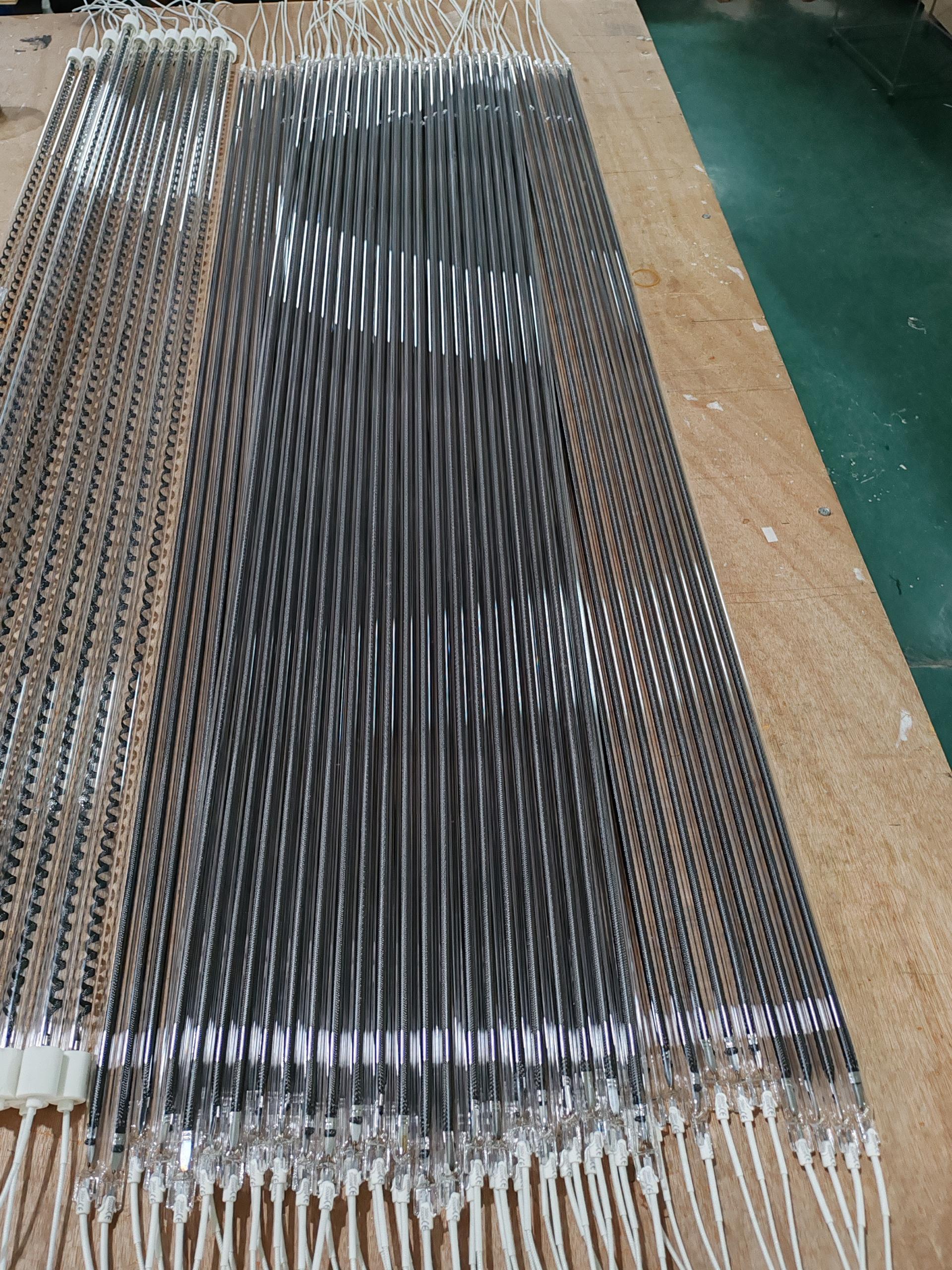
We build infrared carbon fiber heater lamps for one reason: to give you fast, focused heat exactly where you need it. No more heating the whole room. No more waiting around. These aren’t your typical shop lights. They’re tough, purpose-built heating elements designed to run hard, day in and day out, right alongside your machinery. At the heart of it is a carbon fiber filament tucked inside a quartz tube. It’s a simple idea, really, but it’s what allows these lamps to blast high-intensity infrared energy directly onto a specific spot.
The Power, Voltage, and Geometry Behind the Heat
When you’re sizing up one of these lamps, you’re looking at three things: wattage, voltage, and the physical length. They’re the trio that decides how the lamp fits into your machine’s thermal needs and physical space. Take a 2500W lamp at 400V, for example. That’s a high-voltage, high-power setup. It keeps the current draw in check while packing a serious punch of heat. That kind of density is exactly what you need when you have to get a small target area hot—and fast. The length of the tube—often around 300mm—is what shapes the heat zone. A shorter tube concentrates the energy. A longer one spreads it out. Get the length right for your part or process, and you’re not wasting heat. It also makes your control loops much easier to manage. Just remember, with that kind of focused power comes a trade-off. You’ll need solid thermal management around the lamp holder and reflector to make sure everything else doesn’t get cooked by the heat.
The Details: What Makes It Work
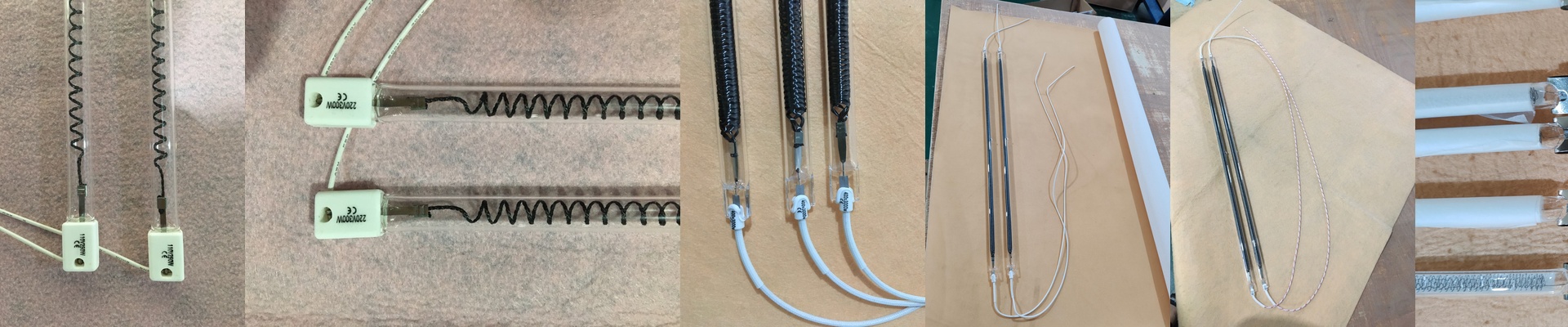
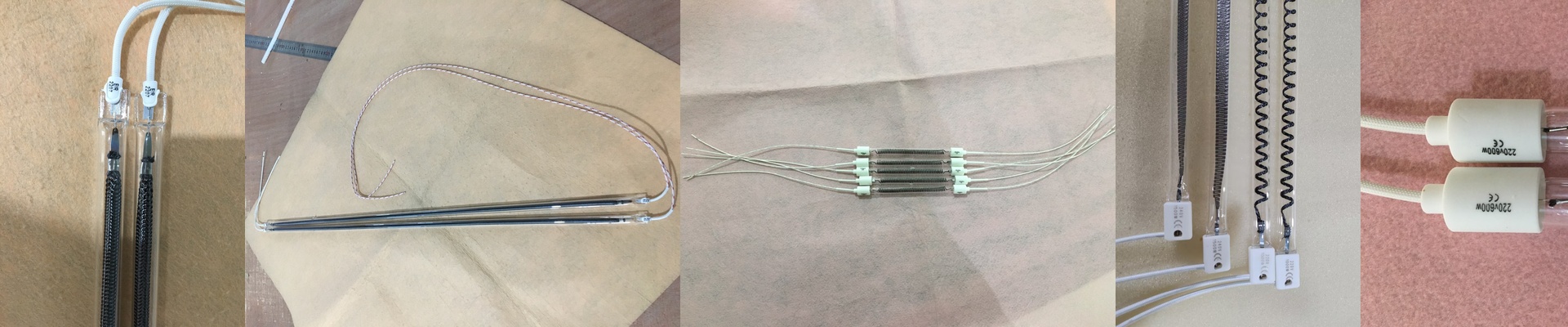
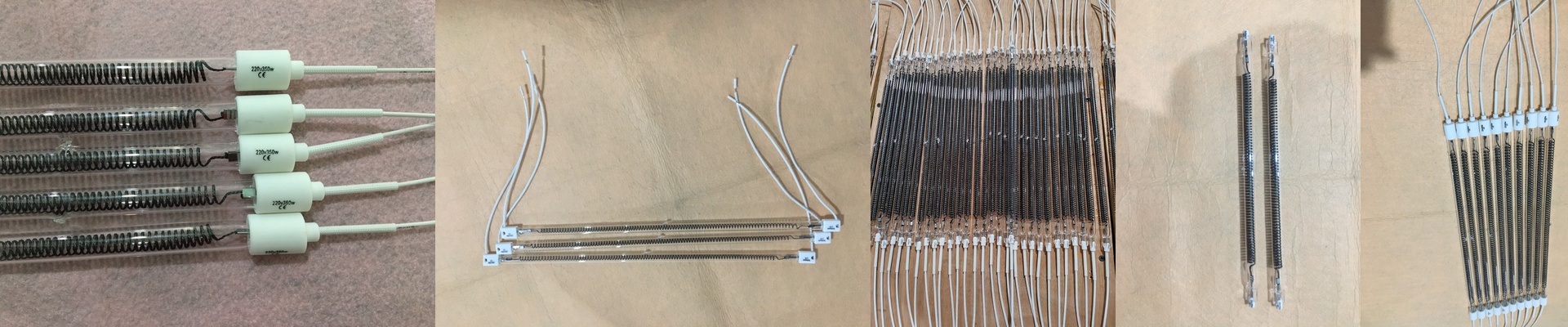
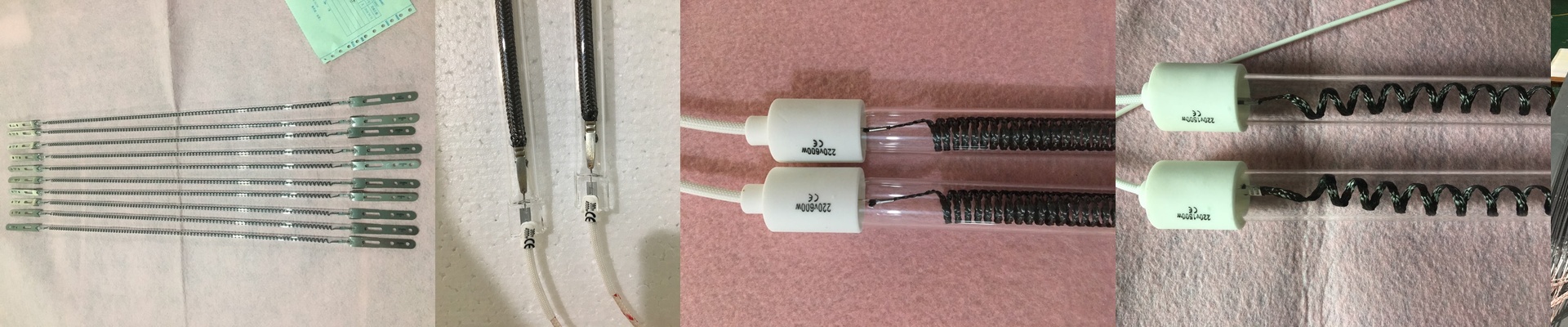
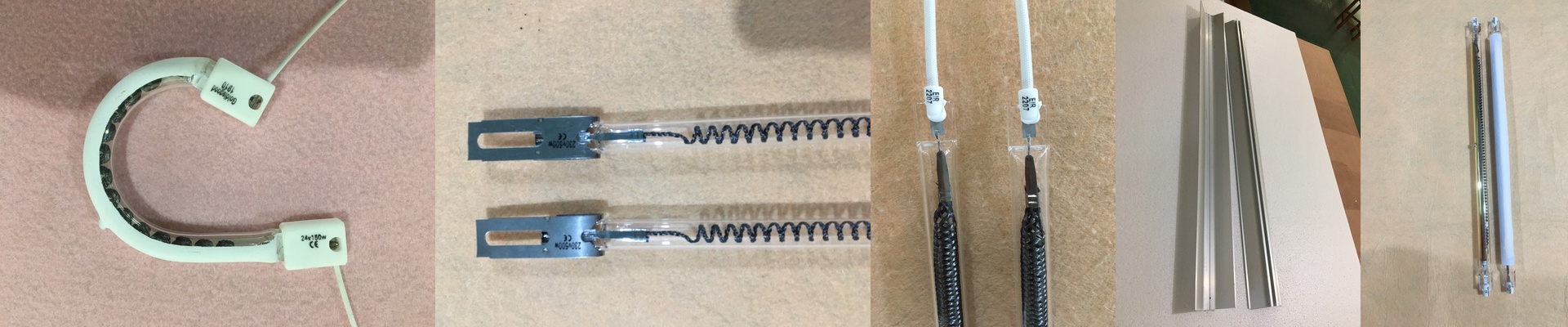
Let’s talk about the guts of the thing. The carbon fiber filament gets hot fast and responds almost instantly. Compared to those old metal-sheath heaters, it has almost no thermal inertia. You get infrared output the moment you need it. And that quartz envelope? It can handle the extreme temperatures and takes thermal shock in stride. Many versions also use an internal halogen gas fill and a reflective coating. This helps stabilize the filament and pushes more of the energy forward, where you want it, instead of letting it radiate sideways. Then there’s the connector, which matters way more than you’d think on a busy shop floor. The R7s base is a standard double-ended contact, making it a simple drop-in replacement for many industrial fixtures. If you need something more secure, the SK15 option gives you a solid mechanical lock and better strain relief. It’s all about preventing the connector from getting pulled out during vibration or routine maintenance. So, pick the base that fits your machine’s socket and makes your life easier.
Where It Shines (And What to Keep in Mind)
These lamps shine wherever infrared heating has an edge over convection. We’re talking about curing coatings, drying wet surfaces, preheating plastics, or any kind of localized heating on a production line. The carbon fiber design means you get that rapid response, so you hit your setpoints faster and keep your cycle times tight. The real payoff? A smaller footprint and easier integration. You can put the heat right where it’s needed, which cuts down on wasted energy and eases the load on your plant’s electrical system. But here’s the reality check. That high heat density means you have to think about your surroundings. Sensors, wiring, and mounting hardware all need to be rated for the higher temperatures. So, plan your clearances and cooling before you get started.
- Infrared
- Carbon
- Fiber
- Heater
- Parts
- Heating
- Lamp
- High Quality Heating Lamps 800w Clear Tube Infrared Halogen Heat Lamp for Dominican Republic Pet Blowing Machine
- 1500w 240v R7s Replacement Infrared Lamp Halogen Infrared Lamp Heater for Pet Blowing Machine
- Sk15-Shortwave-Infrared-Emitter-Ir-Lamp-Heater-for-Blowing-Machine