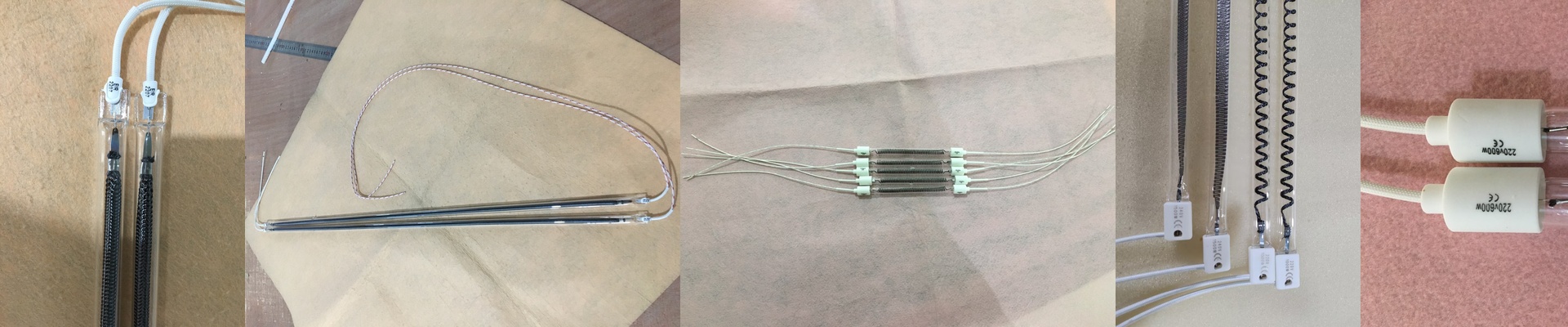
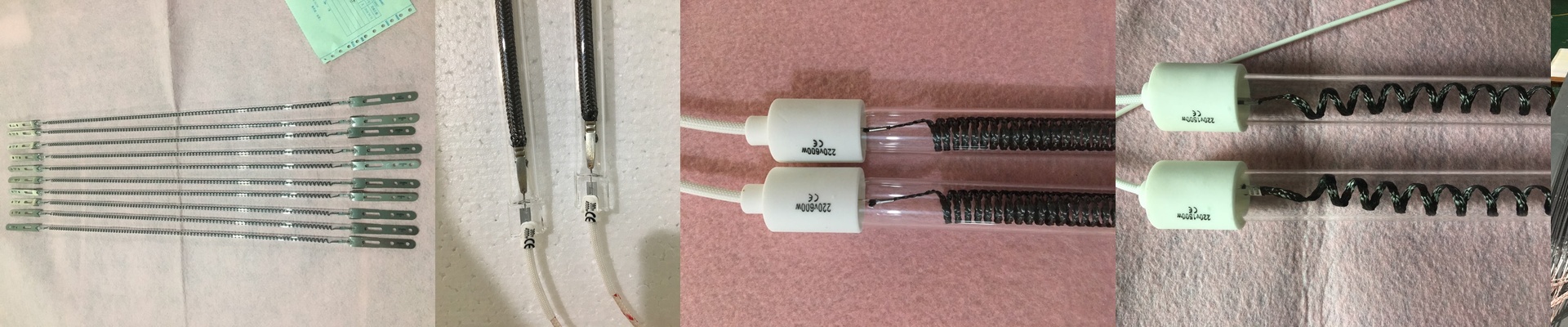
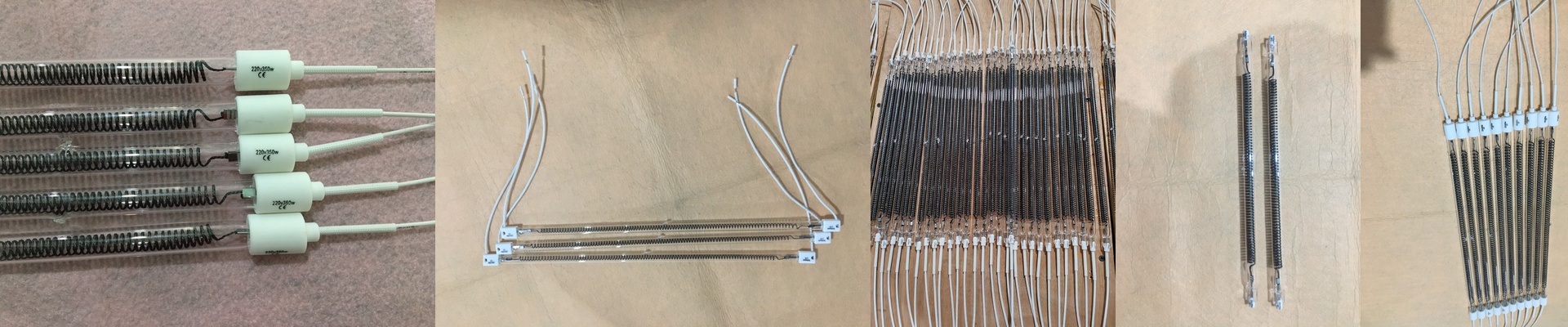
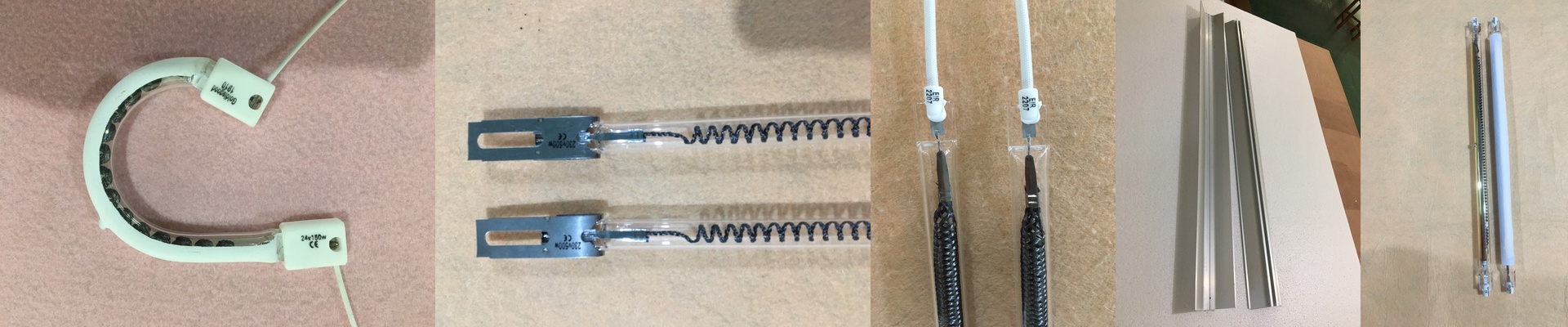
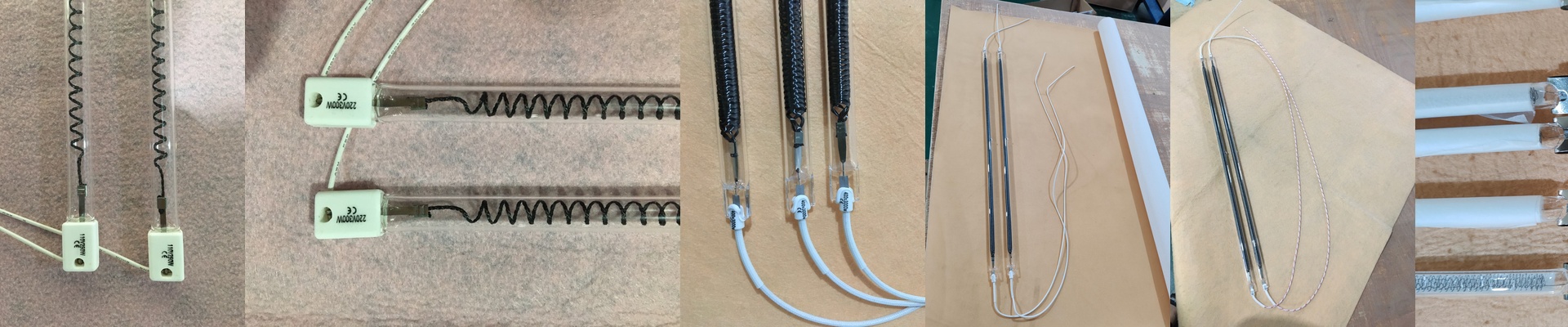
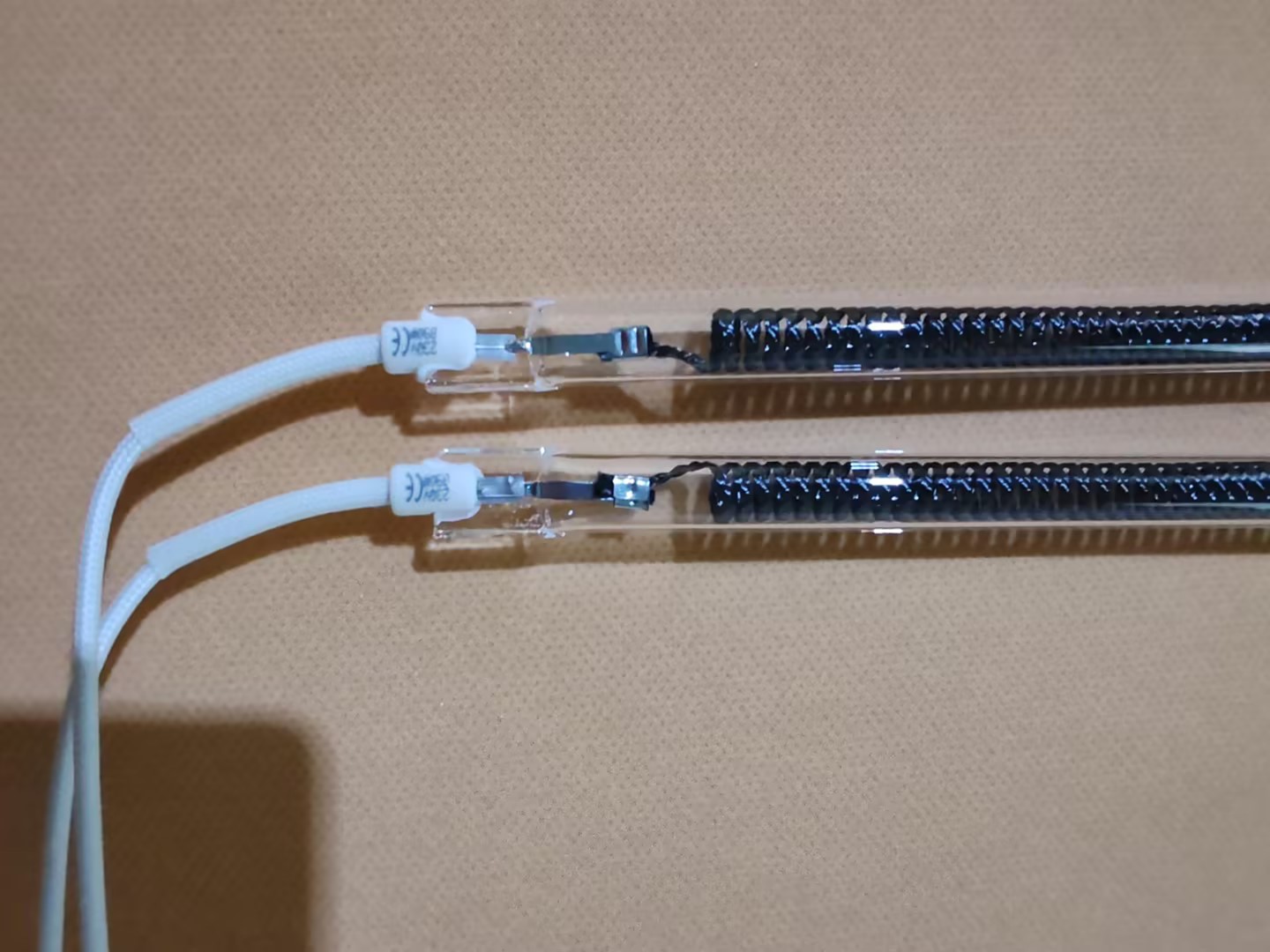
Let’s talk about the 110V 1000W Carbon Fiber IR Lamp
If you need heat—and you need it now—this is where things get interesting. We built these carbon fiber infrared lamps for those moments when you can’t afford to wait around for a heater to warm up. Instead of using the usual tungsten filaments you find in old-school quartz halogen tubes, we went with carbon fiber. It completely changes the way the heat hits your project. The power side of things Since this is 110V and 1000W, it plugs right into a standard North American industrial setup without any headaches. The real win here is the carbon fiber. It can take a massive amount of heat without just snapping like a thin wire would. Plus, the heat spreads out evenly across the whole tube. No more worrying about “hot spots” that might warp your materials or ruin a piece of work. Why carbon fiber actually matters Here’s the thing: carbon fiber doesn’t just heat the surface. It pushes a broader spectrum of infrared radiation deeper into whatever you’re working on. To keep everything stable, we wrap that filament in high-purity quartz. It keeps the air out and the heat in. And because carbon fiber doesn’t expand and contract as violently as metal does, you can flip the power on and off all day long without burning out the lamp. It’s tough. Getting it installed You can usually just slide these into your existing IR arrays. It’s a pretty simple swap. But a quick heads-up: carbon fiber behaves differently than halogen. If you’re making the switch, you’ll need to tweak your PID controllers. These lamps ramp up way faster, so your sensors might trip the shut-off sooner than you’re used to. One last thing—be gentle. The quartz envelope is strong against heat, but it’s still glass. Make sure your brackets are secure and don’t manhandle them during installation.