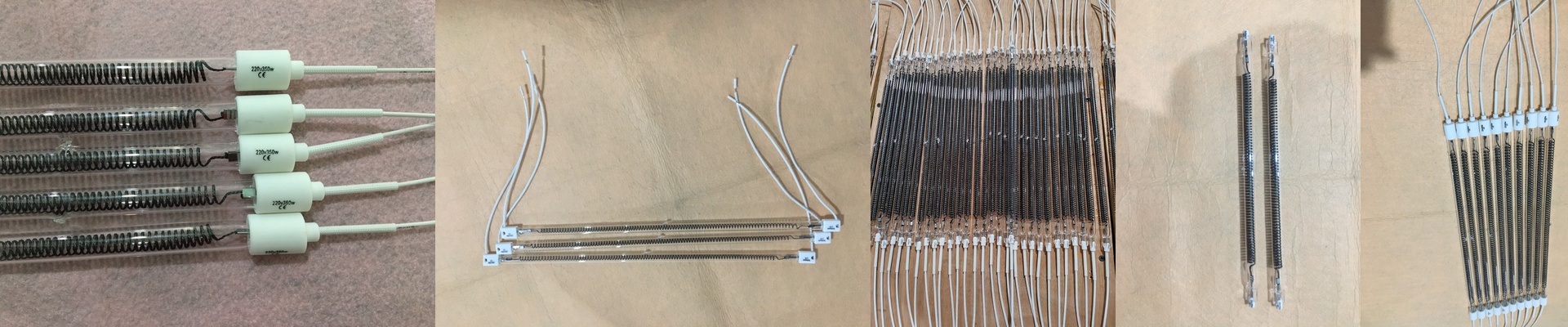
Why we went with a knit-style carbon fiber core
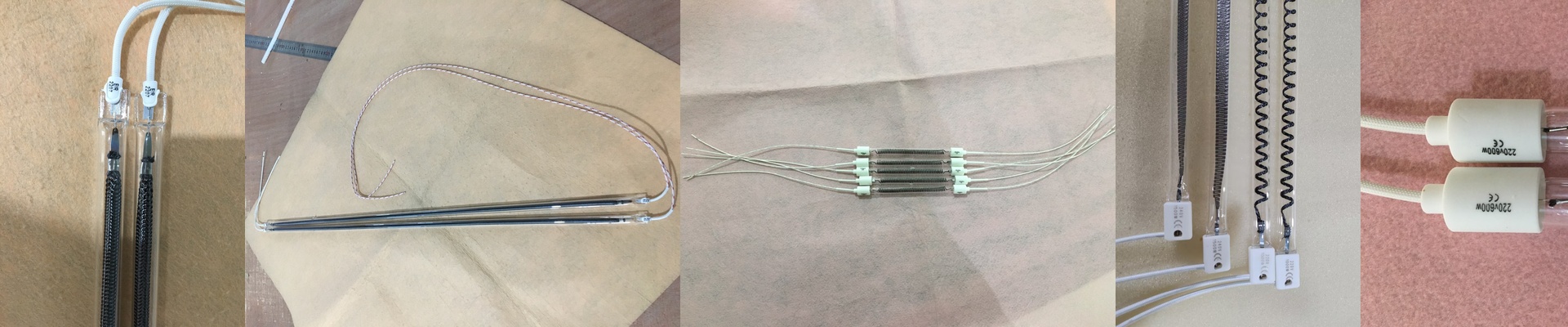
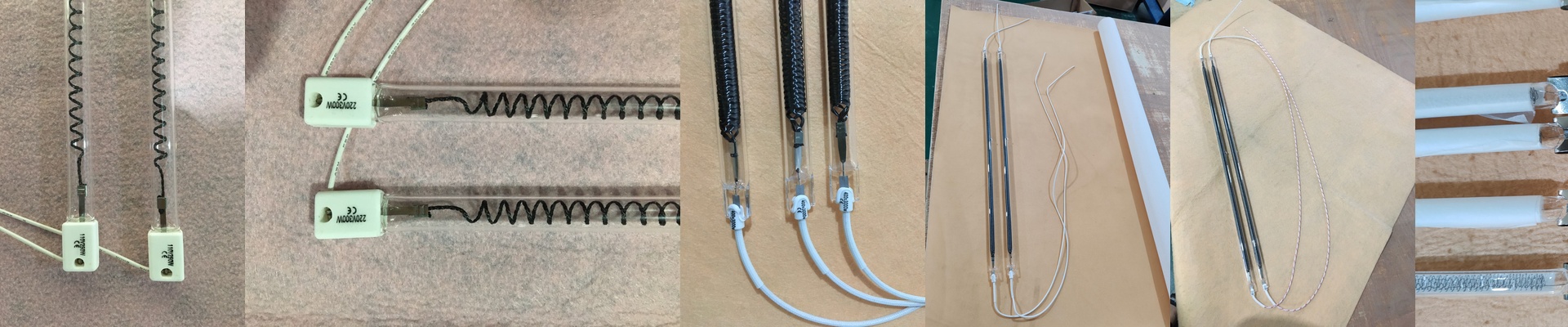
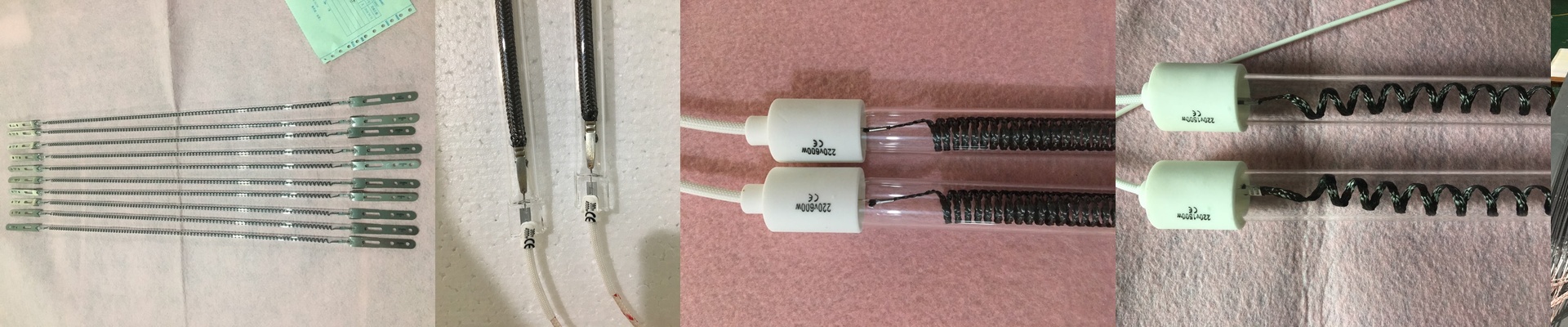
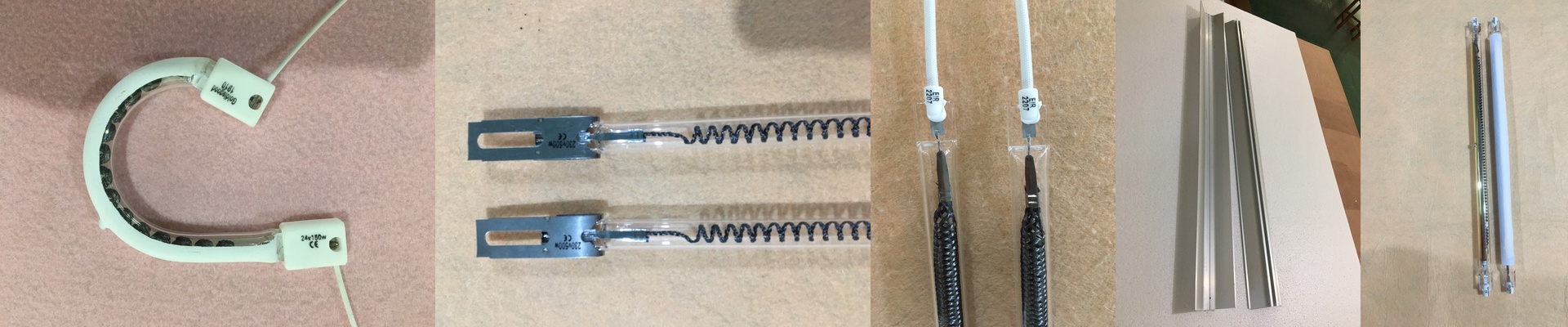
Standard resistive wires are just too stiff. They’re rigid, they’re brittle, and honestly, they don’t handle the “push and pull” of heating and cooling very well. That’s why we decided to do something different. We started knitting the carbon fiber. By using a knitted architecture, we created a heating heart that’s flexible. It breathes. When things get hot and the material wants to expand, the knit just lets it happen. No snapping, no warping, and no sudden failures after a few hundred heat cycles.
How the physics actually works
Here’s the thing: when you knit the fibers, you’re creating a three-dimensional matrix. In a normal heating cable, the electricity travels in one straight line. If one spot gets too hot, it burns out. But with our knit design, the current spreads out. It’s distributed. This means you don’t get those annoying “hot spots” that kill standard cables. Instead, you get a smooth, even warmth across the entire surface. Plus, carbon fiber is a beast when it comes to heat—it doesn’t sag or oxidize like copper or nichrome does when things get intense.
A few things to keep in mind
Now, you can’t just throw any voltage at these. It’s tempting to crank up the power to get things heating up faster, but don’t do it. If you over-volt the system, you’ll start degrading that carbon matrix. Just stick to the rated wattage. Your hardware will thank you by lasting way longer. We usually wrap these cores in silicone or PTFE jackets for industrial jobs. The core itself is flexible, but the jacket is what takes the beating from the outside world. If you’re working with nasty chemicals or things that scrape and rub, just make sure you pick a reinforced outer layer.
Where this actually helps
We mostly see these used in flexible heat wraps or precision warming blankets. Because the material is soft, it won’t crush or dent delicate parts. It’s a huge win for engineers who are dealing with weird, irregular shapes where a rigid heater just won’t fit. You basically just wrap it around the part and you’re good to go.