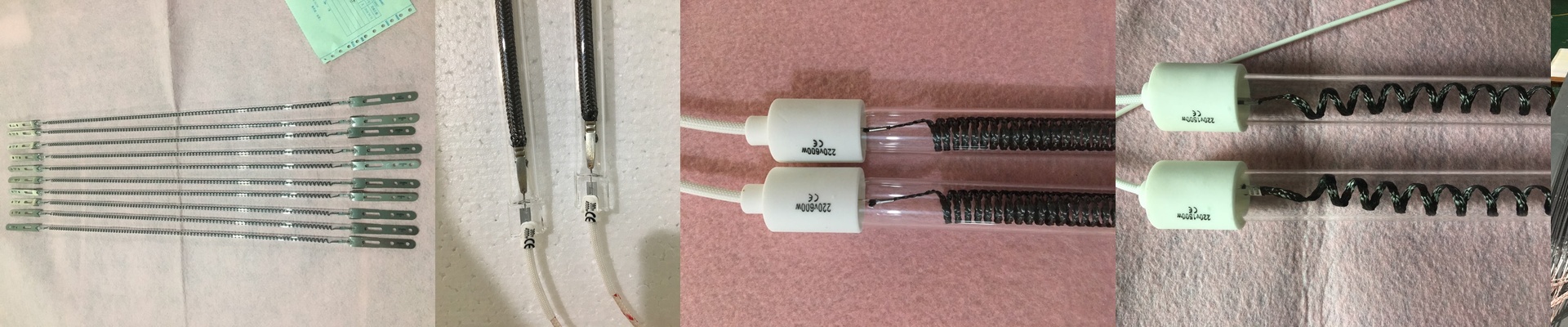
Let’s Talk Carbon Fiber IR Heaters
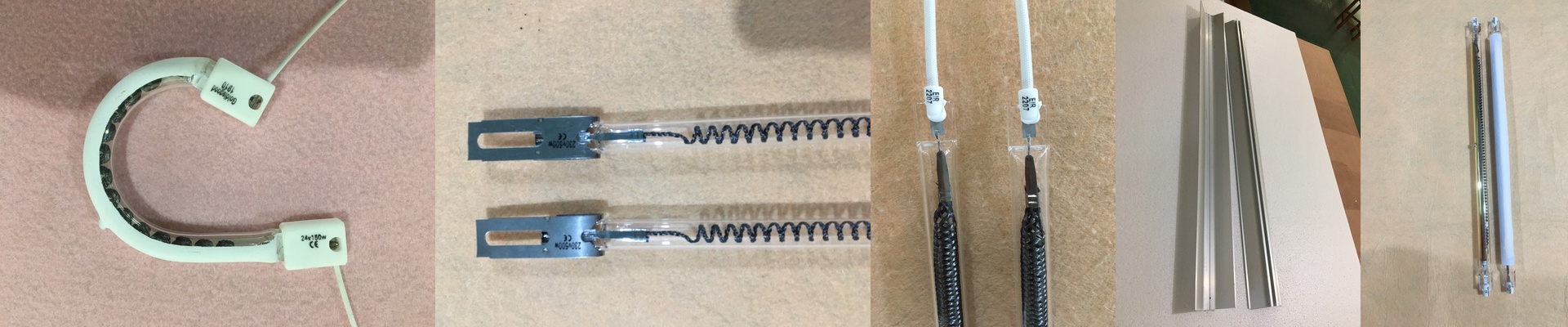
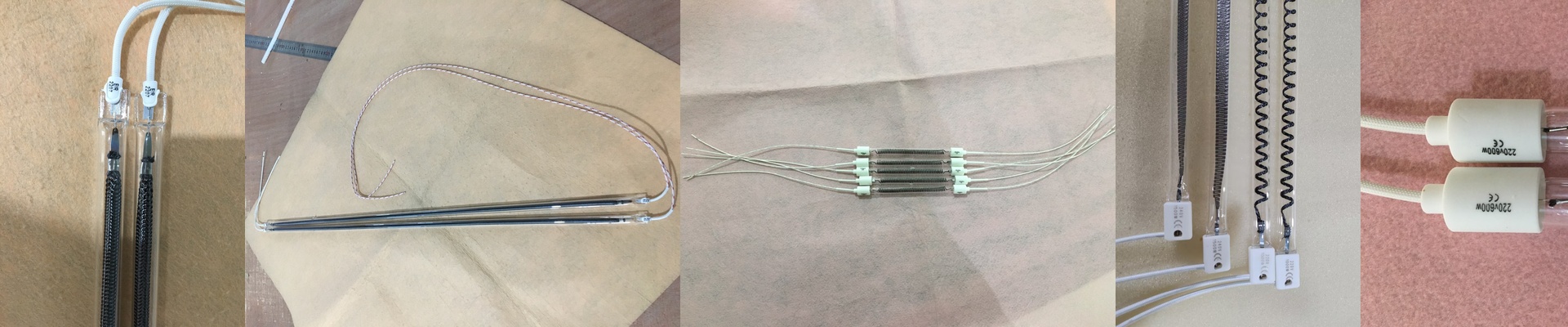
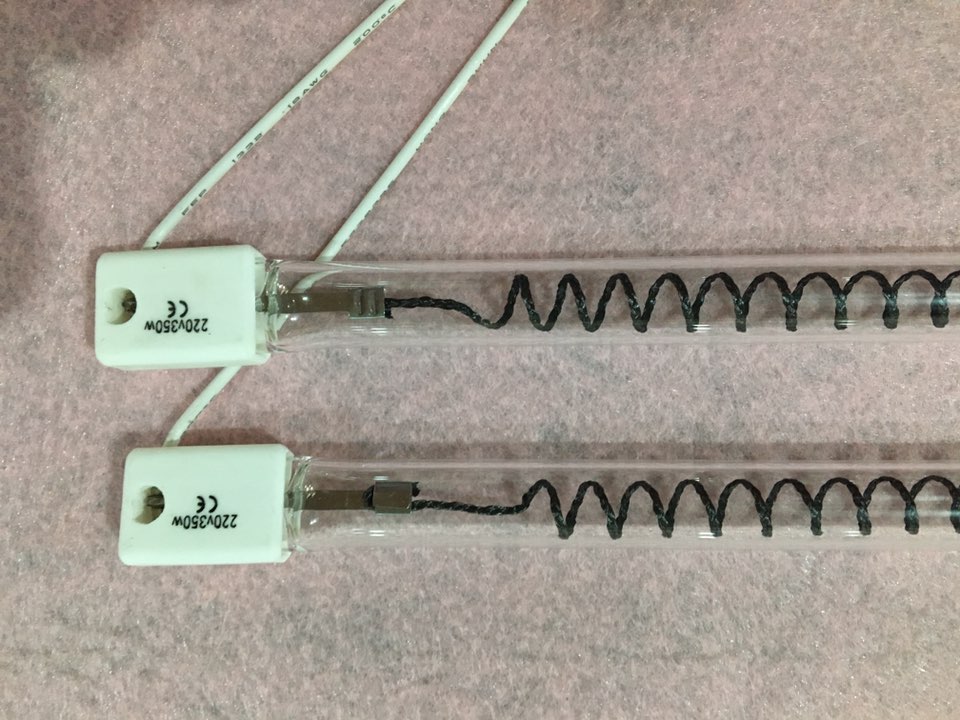
If you’ve ever dealt with standard quartz filaments, you know the headache. They’re fragile. One wrong move and you’re replacing parts. That’s why we lean into carbon fiber. Here is the basic gist: we use a conductive carbon filament to turn electricity into infrared heat. It’s built for those moments when you need to hit a high temperature now, not in ten minutes.
The Nitty-Gritty on Power
It all comes down to how much wattage you pack into the length of the heater. If you go high-wattage, you’ll hit your target temps incredibly fast. But there’s a catch. More power means more stress on the ends of the tubes. I usually recommend a high-voltage setup. It keeps the current draw low, which means you can run thinner wires across your machine without it becoming a cluttered mess. Just one warning:**keep your power supply stable.**A sudden voltage spike will snap a carbon filament in a heartbeat.
How They’re Actually Built
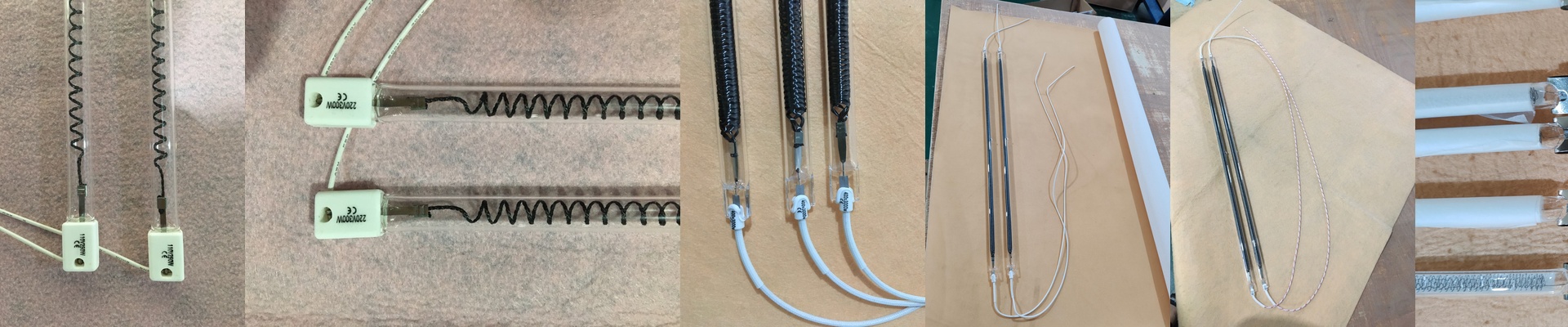
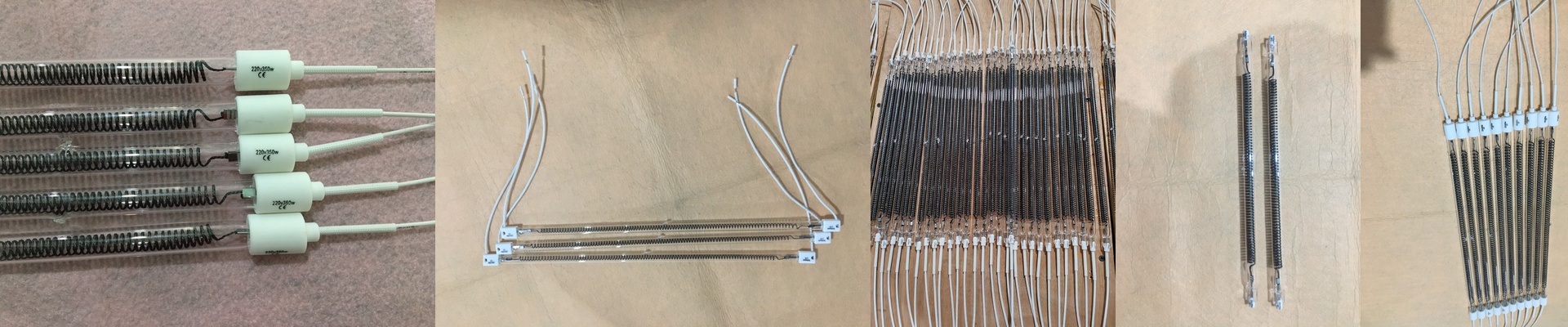
We wrap the carbon fiber in a high-purity quartz envelope. Think of it as a shield. It keeps the oxygen out and stops shop-floor grime from ruining the filament. Depending on what you’re building, we can add special coatings to change how the heat reflects or emits. We also keep the connectors simple. When a lamp eventually gives out, you want a “plug-and-play” replacement so your line isn’t sitting idle for hours.
Real-World Use (And Where to be Careful)
You’ll see these a lot in PET blowing or plastic curing. In those worlds, precision is everything. Carbon fiber is just faster than your typical ceramic or metal sheath heaters. It’s almost instant. But you have to be smart about where you put them. Because the heat is so concentrated, it’s easy to accidentally warp your workpiece or bake your own machine frame if the spacing is off. Make sure your heat shields and cooling fans can actually handle the BTU output. Otherwise, you’re just trading one failure for another.