Let’s Talk Circular Carbon Fiber Heaters
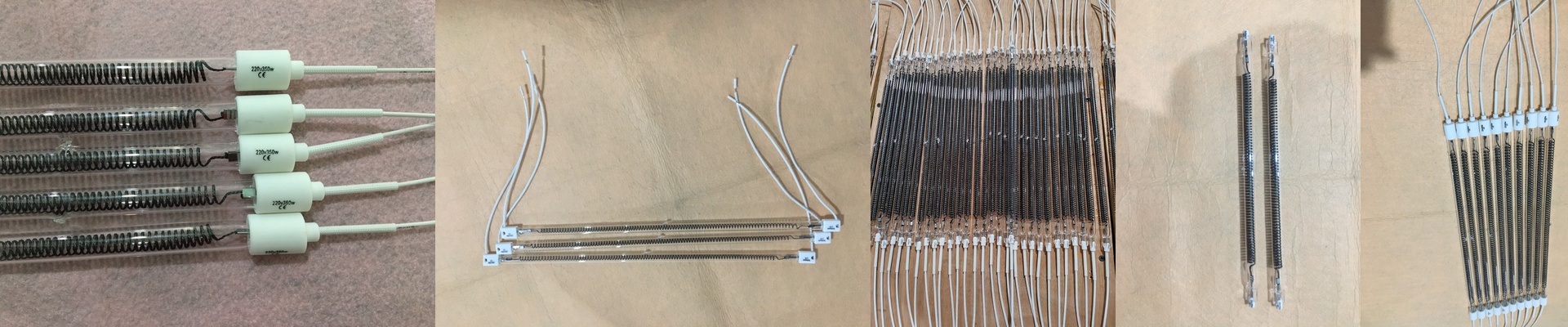
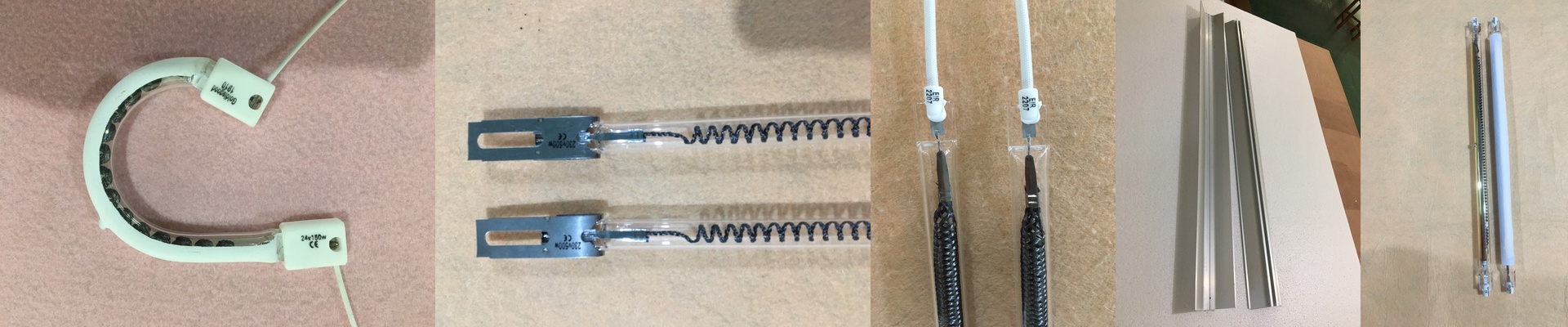
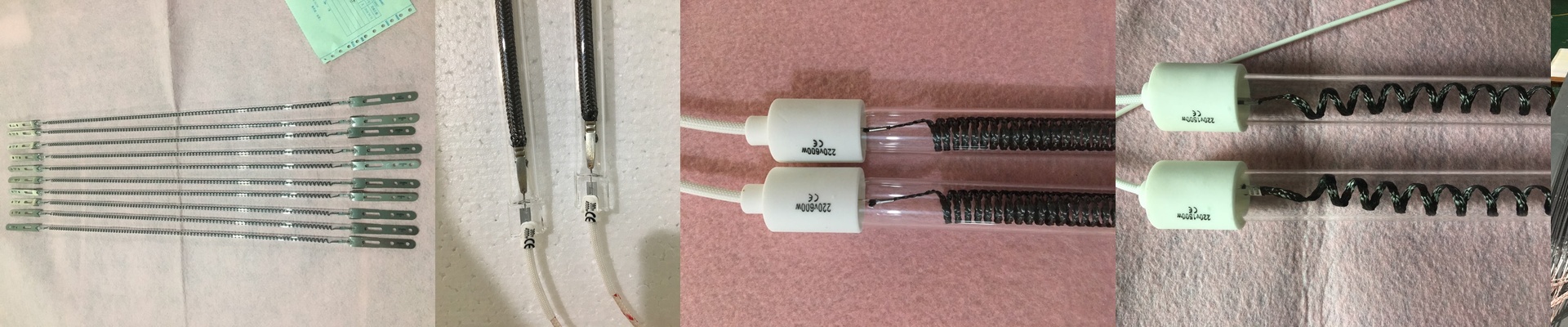
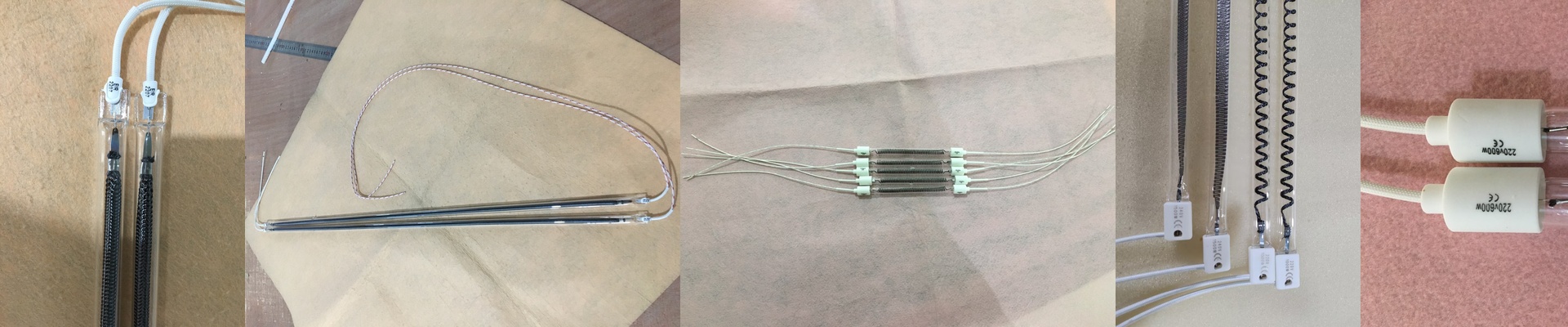
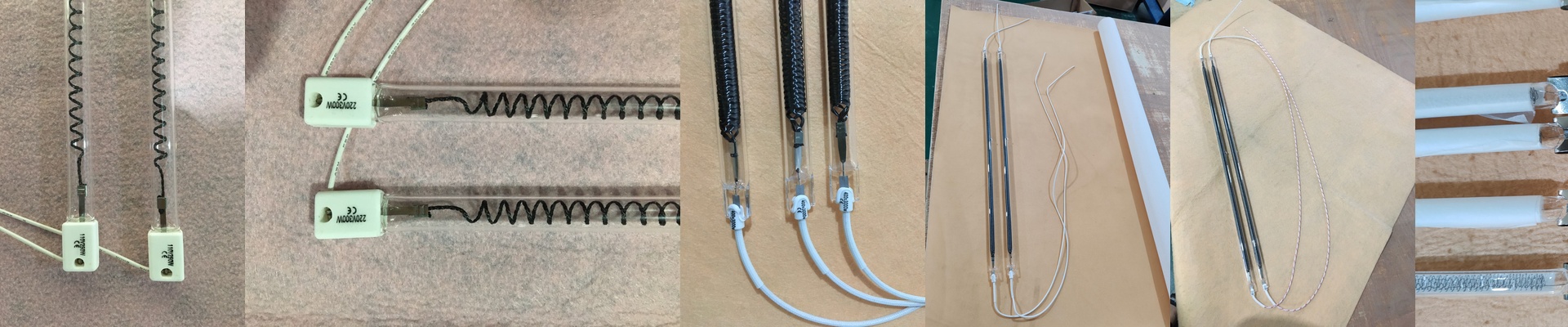
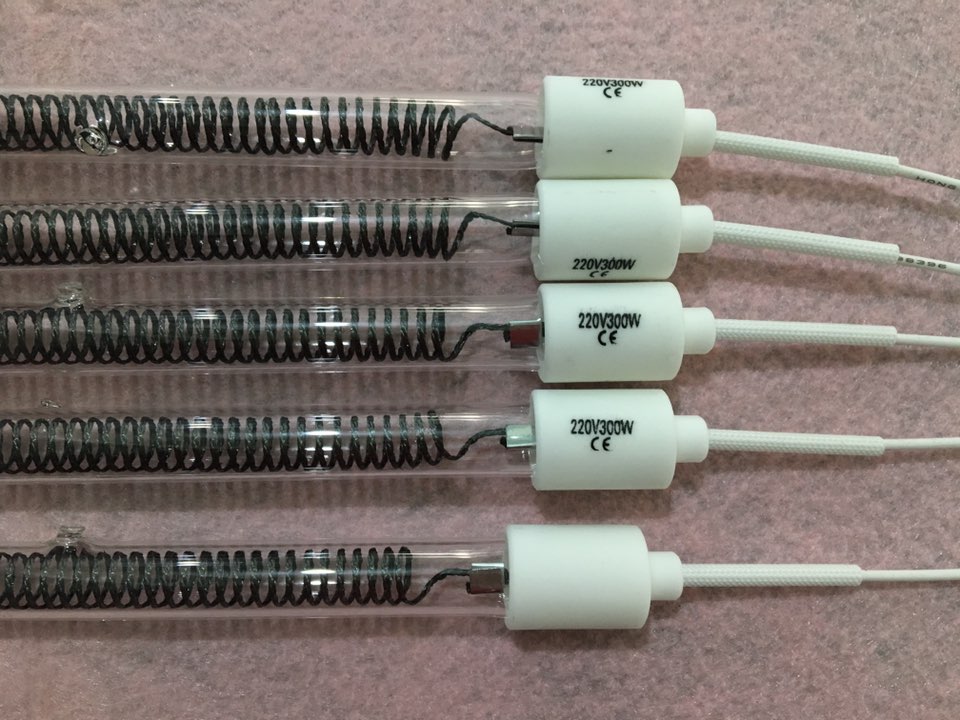
If you’ve ever dealt with traditional metal coils failing right when you need them most, you know the frustration. That’s why we build these circular carbon fiber elements. Basically, we take a carbon fiber filament and tuck it inside a quartz tube. The result? Heat that hits fast. But it’s not just about speed. The infrared spectrum here actually digs deep into your materials rather than just scorching the surface. The nitty-gritty on power Here’s the thing about the electrical side: it’s all about resistance. We’ll dial in the wattage and voltage to fit whatever power supply you’re already running. Now, you might be tempted to go for a higher wattage density to save space. Just be careful. That puts a lot more stress on the quartz. And please, keep your voltage regulation tight. If you over-volt these things, you’ll fry the filament in a heartbeat. We usually build them for 220V or 380V industrial cycles, depending on your machine’s bus. What’s actually inside? The heart of the heater is a woven carbon fiber composite. One of the best parts? It doesn’t sag when things get hot. We seal it in high-purity quartz so it doesn’t oxidize and die. If you’re worried about burning the outside of your part while the middle stays cold, we can coat these to shift the emission from shortwave to medium-wave. It’s a lifesaver for delicate work. Plus, we use standard industrial connectors, so you can just pop them into your current setup without a headache. Where they work (and where to be careful) You’ll see these doing the heavy lifting in PET bottle blowing, shrink wrapping, and curing ovens. Because they’re circular, you get a 360-degree heat wrap. No more annoying cold spots on your cylindrical parts. But a word of warning: quartz is brittle. If your machine shakes or takes a lot of mechanical hits, you’ve got to use shock-absorbing mounts. Otherwise, you’re going to end up with cracked glass. Also, give the element some breathing room from your target. If they’re too close, you risk thermal runaway, and nobody wants that.