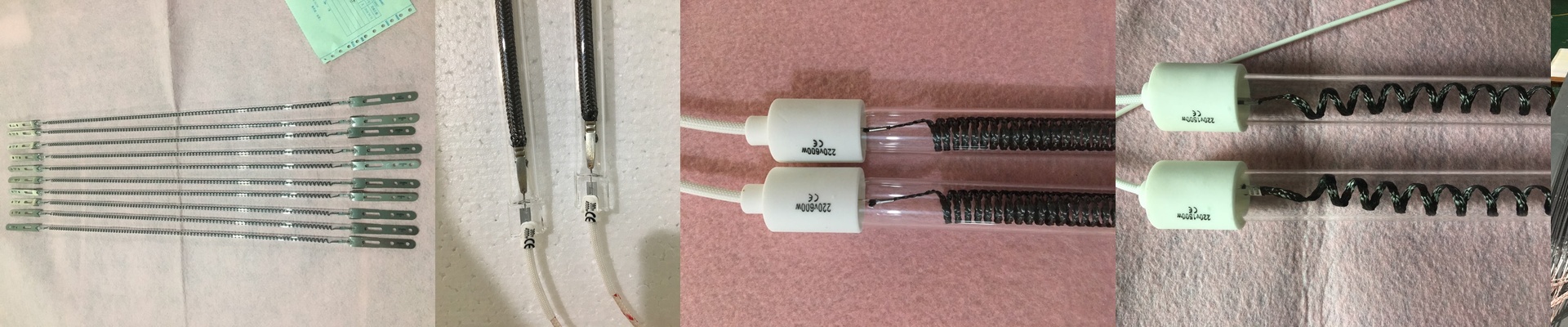
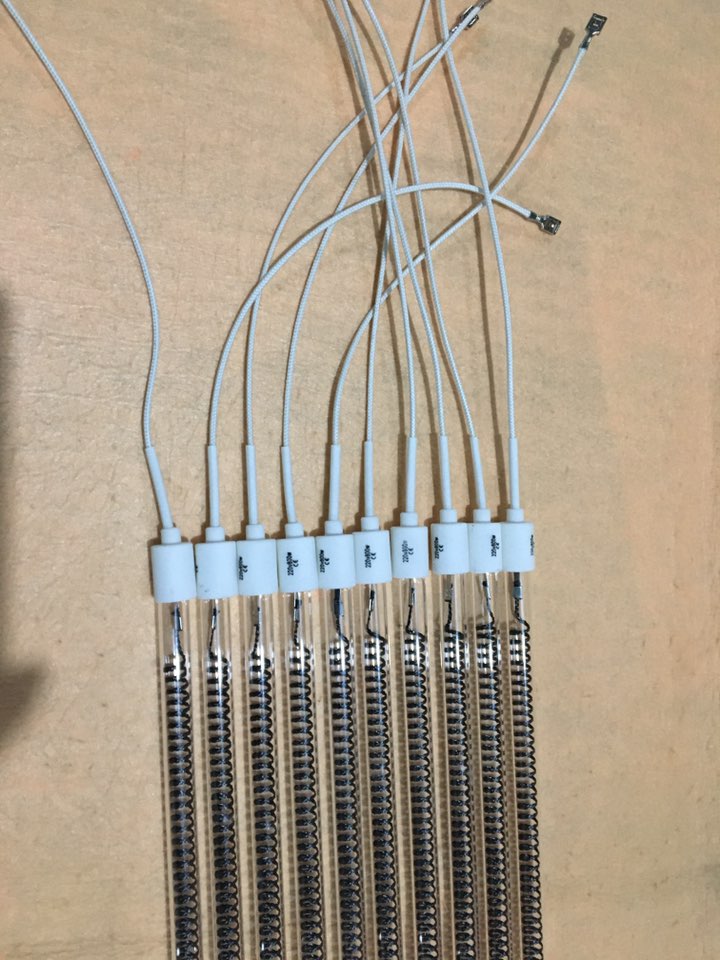
Let’s Talk Short-Wave Carbon Fiber Heating Lamps
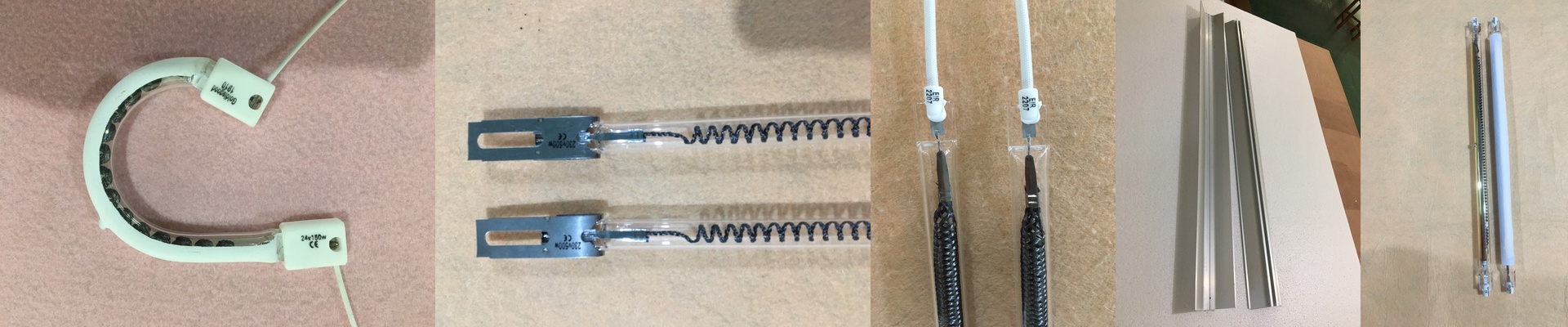
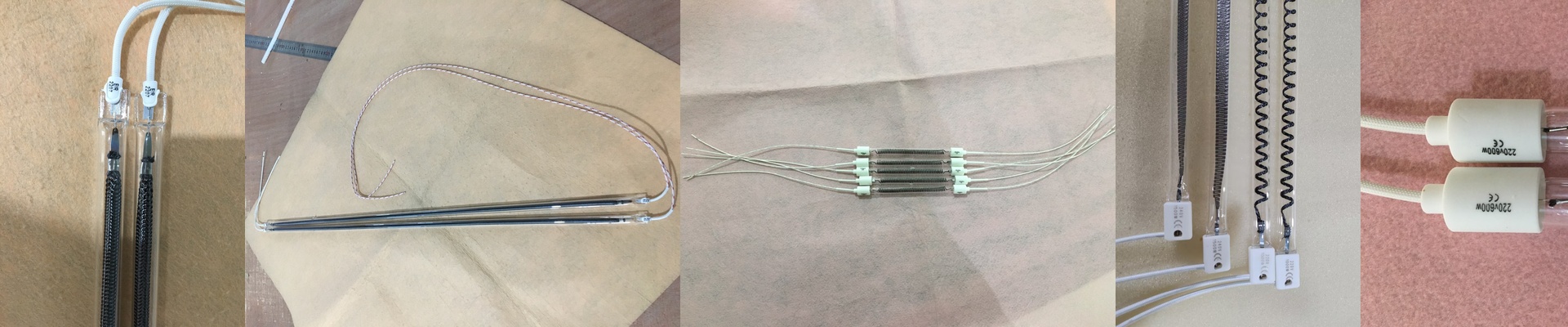
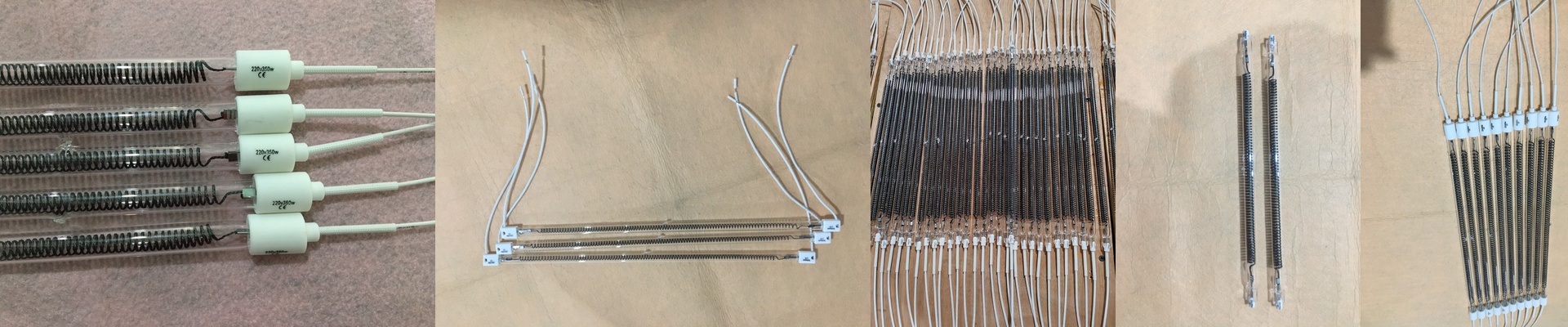
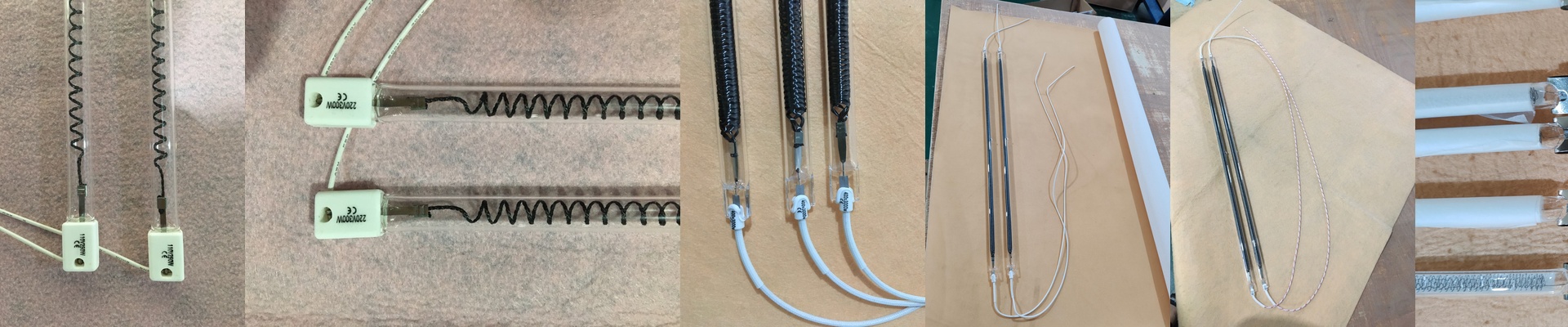
So, here is how these things actually work. We take a carbon fiber filament, tuck it inside a quartz tube, and run a current through it. The cool part? Because we’re using carbon fiber instead of those old-school metal coils, we can pack a ton of power into a tiny space. If you need heat right now, this is the way to go. The nitty-gritty on power We spend a lot of time tuning the wattage and voltage. Why? Because if you’re flicking these on and off constantly, you don’t want the filament to just snap. But here is the real trick: short-wave emitters concentrate energy. Instead of just heating up the air around the lamp, the heat actually sinks into the material you’re working on. Just a heads-up—if you’re running high-wattage tubes, make sure your wiring and power supply can handle the peak draw. You don’t want your voltage dropping right when you need the heat most. The build and the connections That quartz envelope isn’t just for show. It lets the short-wave radiation pass through without losing its punch. Sometimes we add special coatings to tweak the heat spectrum or just to keep gunk and debris off the glass. As for the terminals, we stick with the basics like R7s or Sk15. They’re easy to plug in and they stay put. Trust me, you want a tight fit here. A loose connection creates a hot spot, and before you know it, you’ve melted your socket. Not a great look. Where this actually fits in your shop You’ll see these everywhere—PET blowing, curing paint, welding plastics. The big win is the speed. You hit the switch, and you’ve got full heat in a few seconds. It’s incredibly fast. But there’s a trade-off. Because the heat is so concentrated, the lamp surface gets scorching. You can’t just slap these next to sensitive parts without a proper heat shield. Plus, keep an eye on your cooling system. If the ambient temperature climbs too high, your surrounding electronics are going to feel the heat, and that’s how you end up with a premature breakdown.