Speeding Up Brake Lining Curing with Shortwave IR
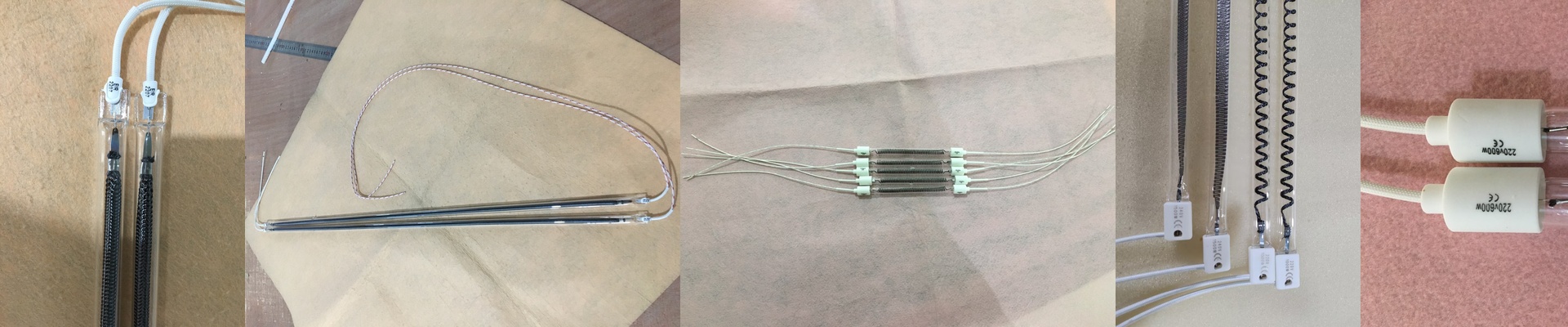
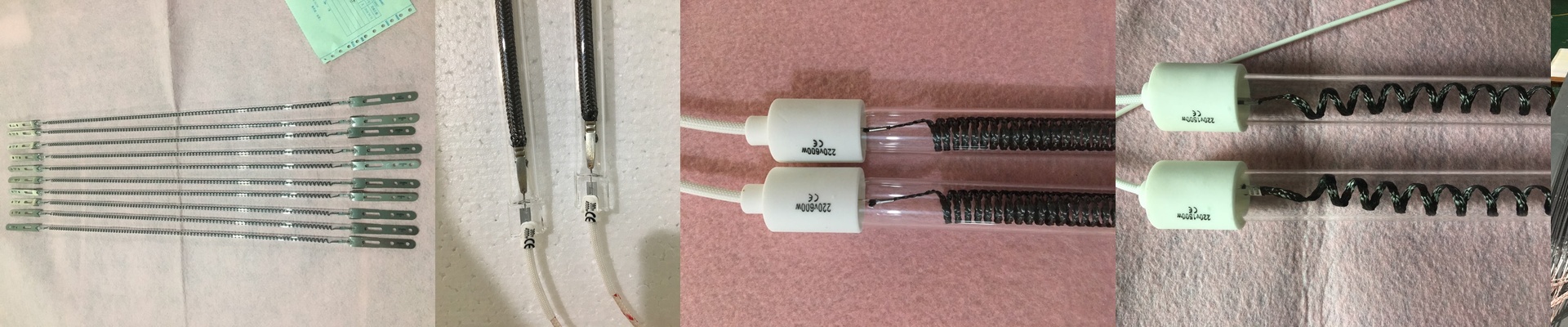
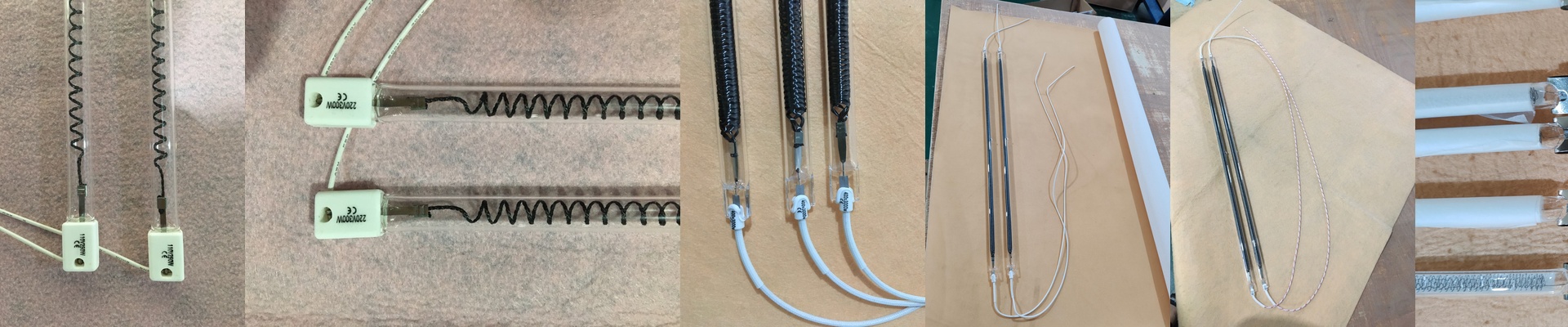
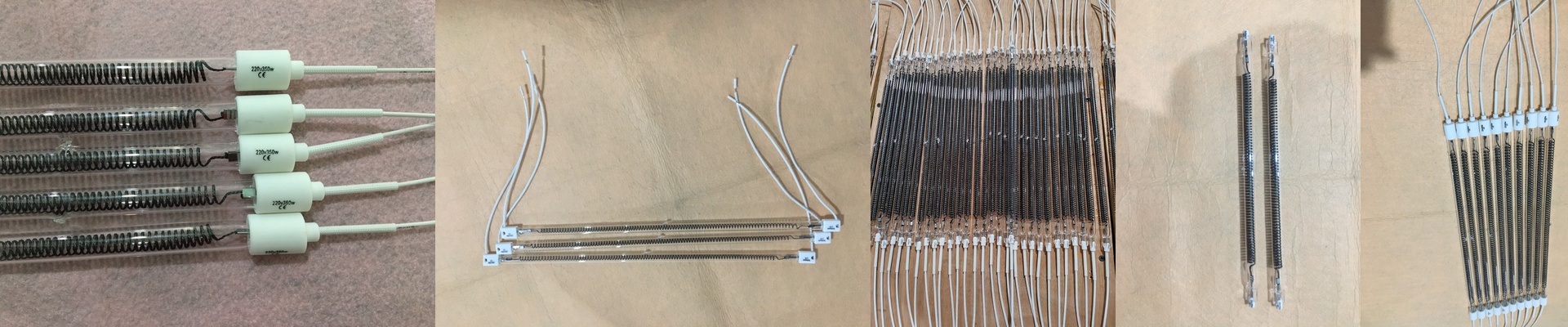
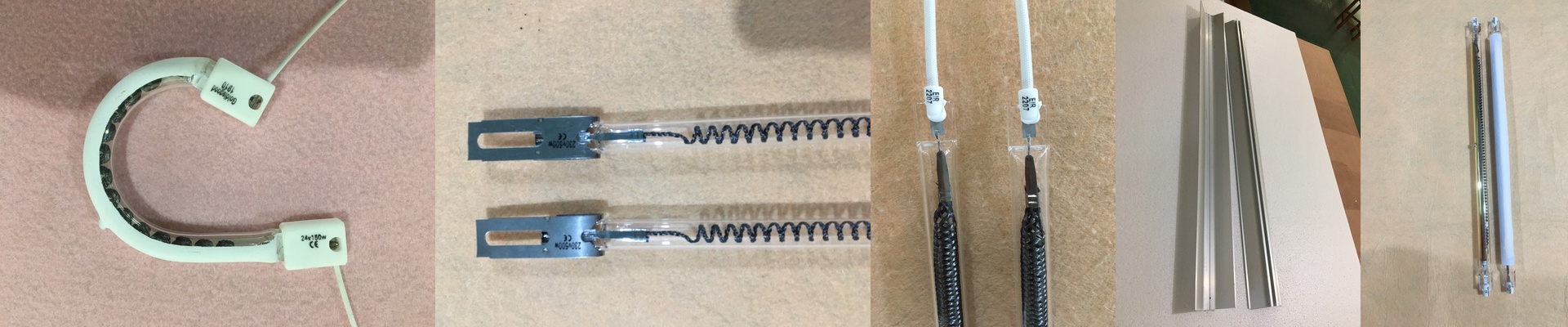
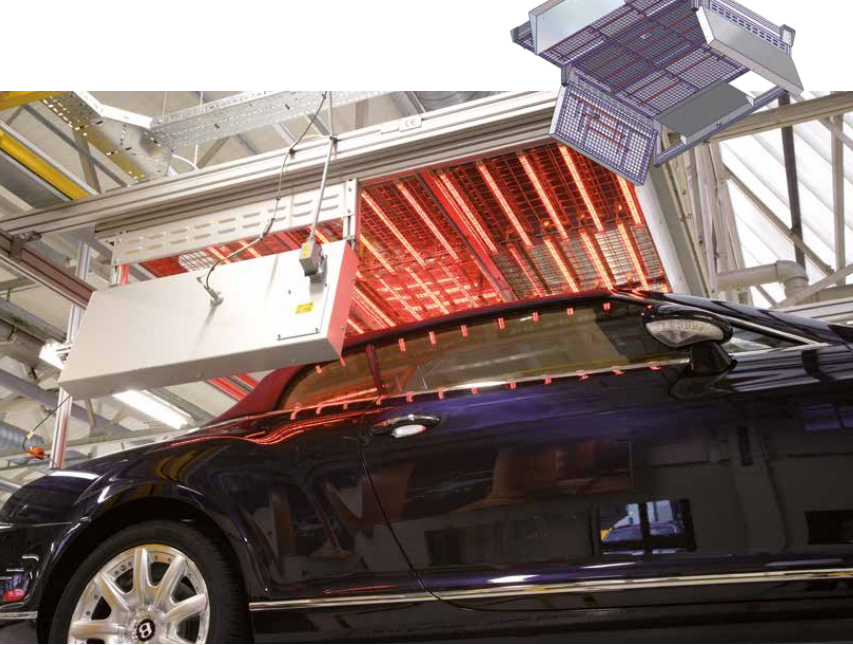
If you’ve spent any time on a production floor, you know the curing stage is usually where everything slows down. It’s the classic bottleneck. Most shops rely on convection ovens, but heating the air is just slow. The heat has to fight its way through dense resin and friction materials, which takes forever. We do things differently. We use shortwave infrared (SWIR) lamps to skip the air entirely and dump the heat straight into the coating. The secret is heat density. If you want a shorter tunnel furnace without ruining your cure quality, you need a lot of power packed into a small space. We use high-voltage quartz halogen tubes to squeeze thermal energy into a tight spectrum. It hits harder and deeper than medium or long-wave options. You hit your target temperature way faster. That means you can either crank up the conveyor speed or just get a smaller oven that takes up less room on your floor. What’s under the hood? We build these lamps with heavy-duty quartz glass because resin polymerization gets hot—really hot. We also know that power grids vary, so we offer different voltage setups. This keeps your current draw manageable, even on those long production lines. And because we know things break, we made the connectors simple. When a lamp finally gives out, you can swap it and get back to work in a few minutes. No one likes standing around watching a dead line. Keeping it real: The trade-offs Look, this isn’t a magic fix for everything. Because shortwave radiation is so intense, it can be too effective. If your conveyor is moving too slowly, you’ll scorch the surface of the lining. You have to find that sweet spot between your lamp wattage and your line speed. One more thing: all that heat has to go somewhere. Your ventilation system is going to feel the strain. Just make sure your exhaust can handle the ambient heat building up around the lamp housings, or you’re going to have a very sweaty shop floor.