Stop the Cracks: Getting Brake Pad Curing Right with Short-Wave IR
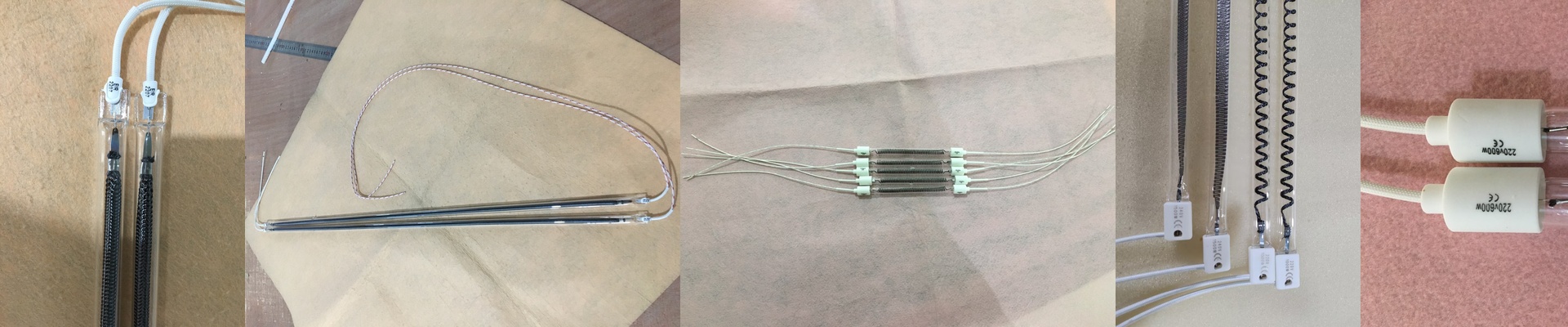
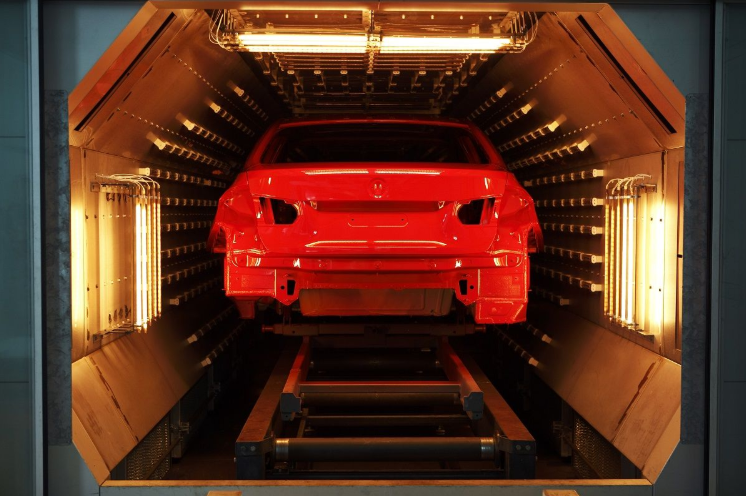
If you’ve ever pulled a batch of brake pads out of the oven only to find thermal cracks or tiny holes inside the material, you know how frustrating it is. It usually happens because the temperature ramped up too fast or hit the surface unevenly. You end up with a “skin” that hardens too quickly, trapping gases inside that have nowhere to go. That’s where short-wave infrared (SWIR) comes in. Unlike other heat sources, SWIR actually digs deep into the composite rather than just baking the outside. The struggle with trapped gas Here’s the thing: you have to get those volatiles out of the material before the phenolic resin sets. If the outside cures first, those gases get stuck. You get voids. You get weakness. By using SWIR, we can push the heat deeper. We modulate the intensity so the resin cross-links from the core outward. It’s a much more natural way for the material to set. Handling the heat One of the best parts about high-wattage SWIR lamps is how fast they react. You can practically snap the heat on or off. This is a huge win because it stops that annoying “overshoot” you get with old-school convection ovens, where the temp just keeps climbing after you’ve hit your target. But you have to be careful with your layout. If your lamps are spaced poorly, you’ll get hot spots. And hot spots lead to stress fractures. It’s all about the spacing. The trade-offs Is it faster than a standard oven? Absolutely. Way faster. But it’s not a “set it and forget it” system. Because the energy is so intense, you can actually scorch the surface of the pads if your conveyor belt lags or stutters. You need a solid set of sensors feeding data back to your controllers in real-time to keep things moving smoothly. When you get the tuning right, the internal pressure disappears. The result is a denser pad with much better shear strength. Oh, and one last tip:**keep your reflectors clean.**It sounds simple, but a thin layer of dust can kill your efficiency by 15% and completely mess up your temperature profiles. Keep a cloth handy.