Stopping the Warp: A Better Way to Handle Automotive Thermoforming
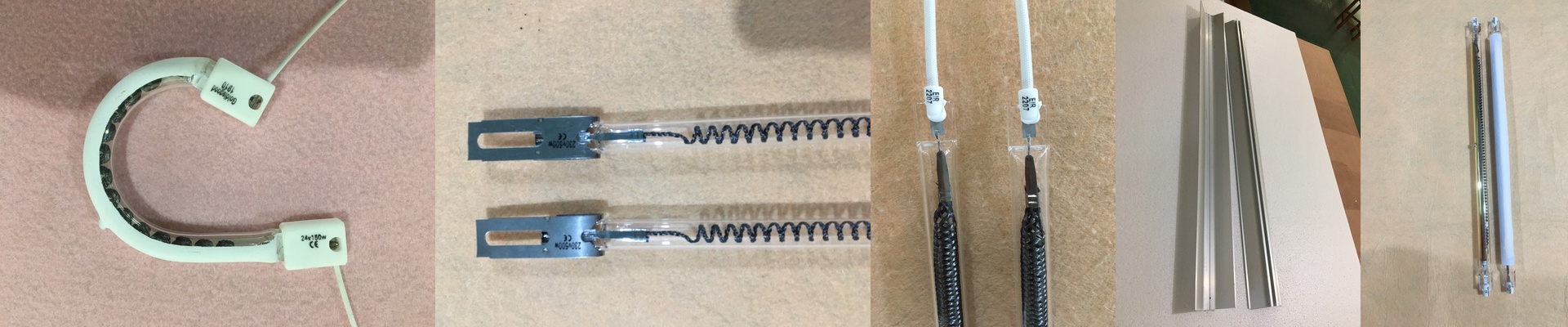
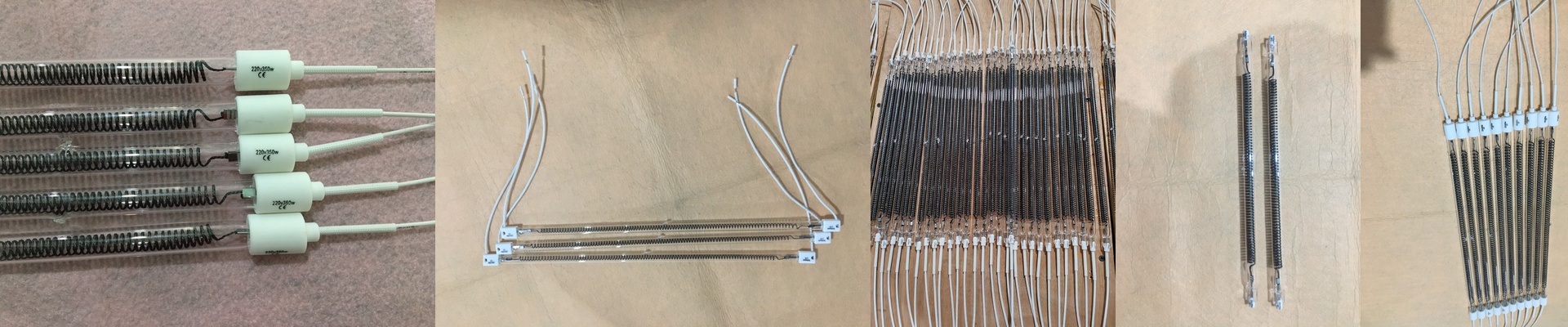
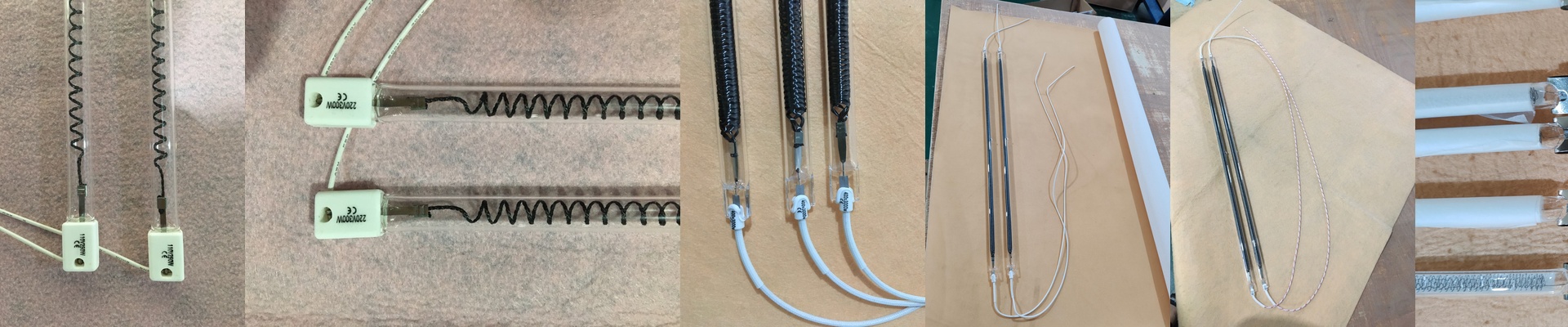
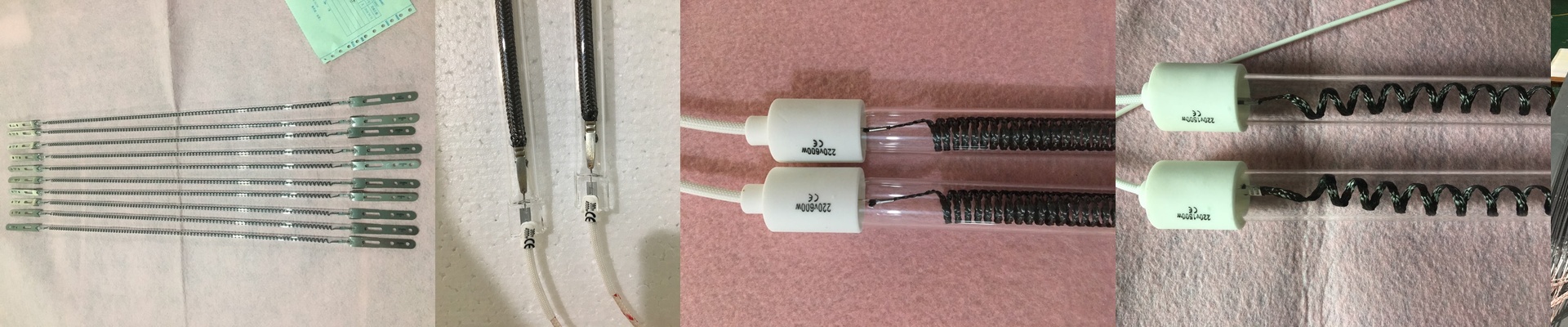
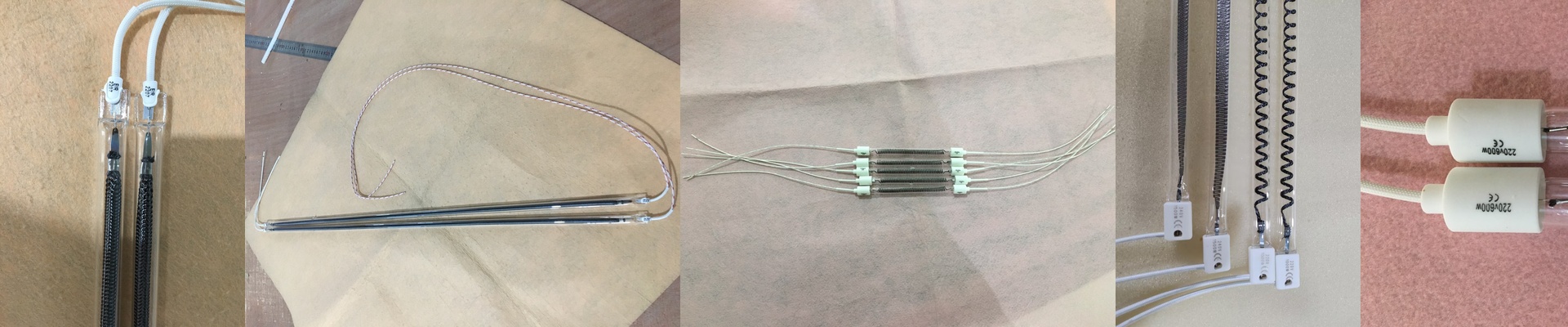
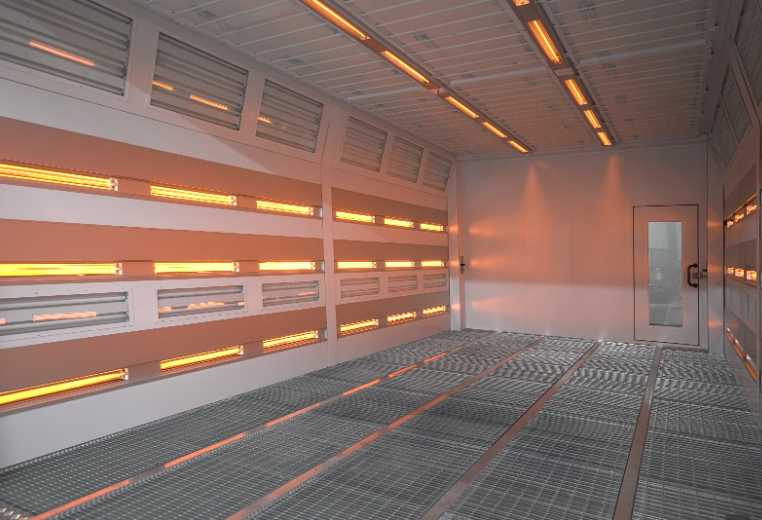
Ever pull a part out of the mold and watch it slowly twist or bow right in front of you? It’s frustrating. That “spring-back” usually happens because the material is still holding onto internal stress—it didn’t get the right kind of heat during the process, so it’s trying to “relax” the second it’s free. The old way of doing this—blasting the whole part with uniform heat—just doesn’t work. You end up scorching the thin edges while the thick center is still too cold. Here is the fix: Zonal IR control. Instead of treating the part like one big block, we break the infrared array into independent zones. Think of it like a custom heat map. You can crank up the power for the chunky sections and dial it way back for the thin walls. When the whole piece hits that glass transition temperature at the same time, the polymer chains actually relax. No residual stress. No warping. Just a part that stays exactly where it’s supposed to. The gear you’ll need We stick with short-wave IR emitters. Why? Because they punch through the material way faster than long-wave options. You need that high-density wattage to hit your target temp quickly, otherwise, you risk burning the surface. To make this work, we wire the heaters into separate PID loops. This lets you tune the heat for the center console differently than the side panels. It’s a bit more setup, but it’s the only way to get it right. The trade-offs Look, this isn’t a magic button. Zonal control gives you incredible stability, but your electrical cabinet is going to get a bit more crowded. You’ll need more SSRs and a handful of extra thermocouples to keep an eye on every zone. And a word of warning: those high-wattage lamps put out a lot of heat. If your cooling system isn’t up to the task, you might actually overheat the tooling itself. My advice? Throw some forced-air cooling on the zones you aren’t heating. It keeps the frame stable and saves you from a massive headache down the line.