Stop the Cracks: How to Actually Get Brake Pad Curing Right
Curing brake pads is a bit of a tightrope walk. If you crank the heat too fast or let it get uneven, you’re asking for trouble. You’ll end up with thermal cracks and those annoying little air pockets—porosity—that basically ruin the pad’s strength. Not a great look for a safety component. We use short-wave infrared (IR) heaters to fix this. It’s all about getting the heat exactly where it needs to go without overdoing it on the surface.
Why IR beats the old ovens
Think about a standard convection oven. It heats the air, and then the air heats the part. It’s slow, and the heat often soaks in unevenly. IR is different. It shoots energy straight into the friction material. By picking the right wavelength, we make sure the heat actually penetrates the pad instead of just searing the top layer. If you only heat the surface, you get a “skin” that hardens too quickly. This traps gases inside, which either creates pores or just splits the material wide open. It’s a mess. And it’s totally avoidable.
Finding the sweet spot
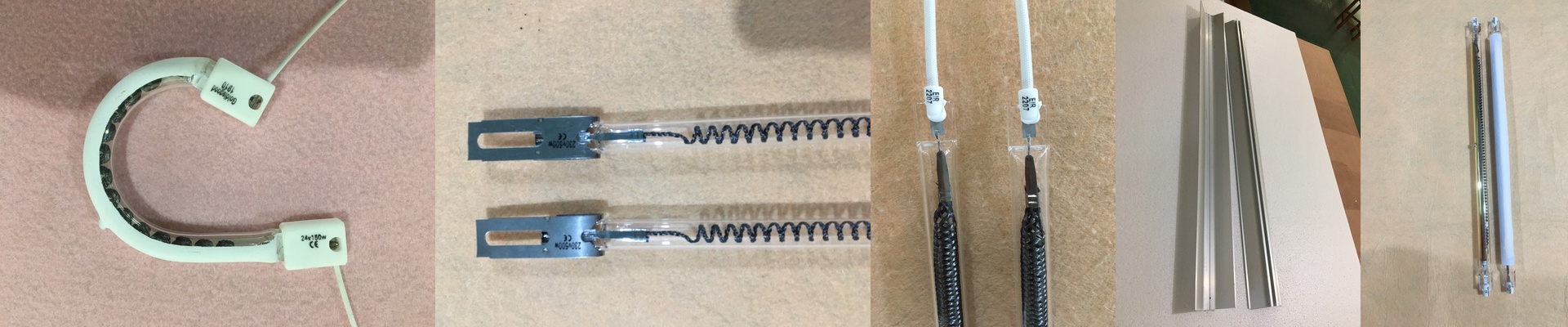
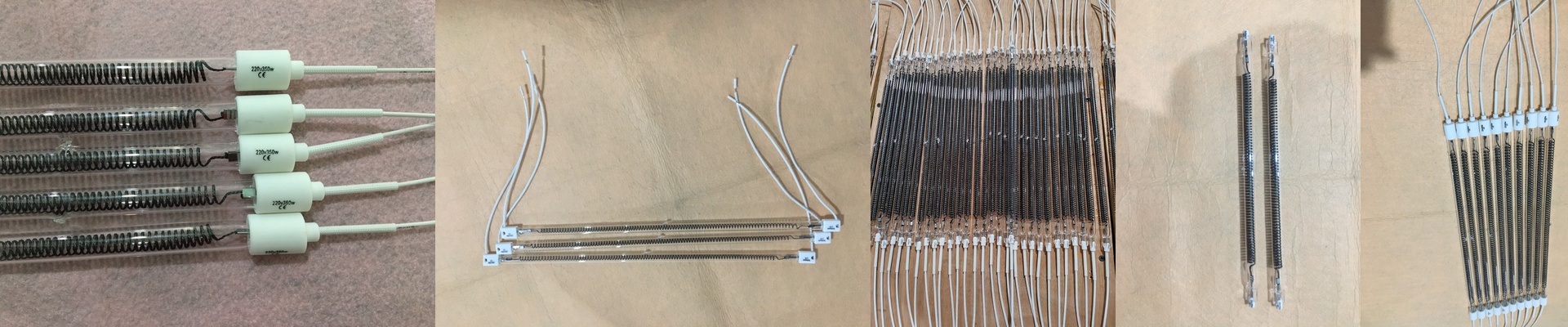
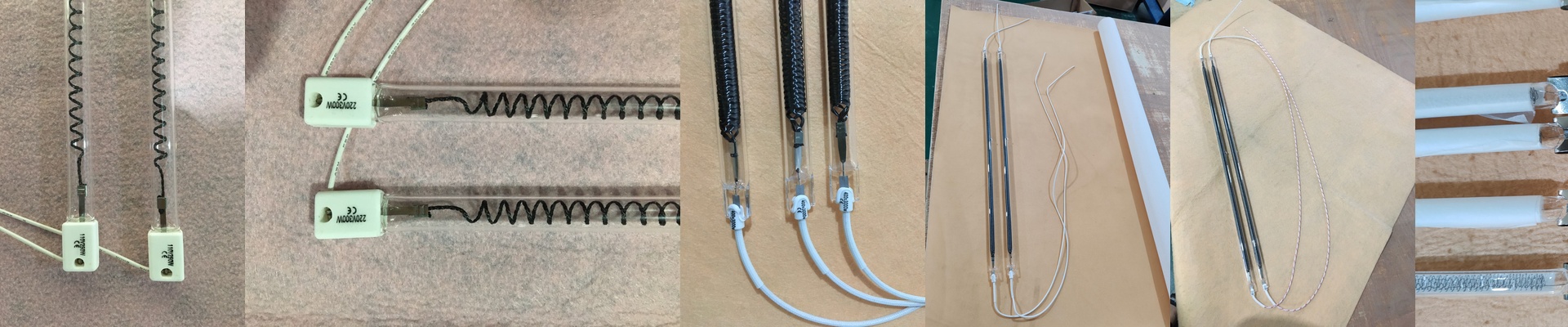
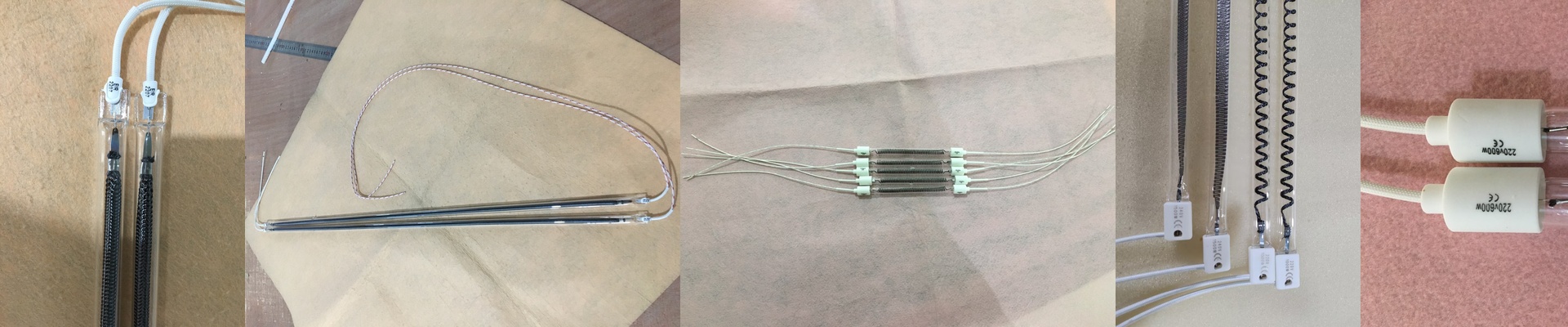
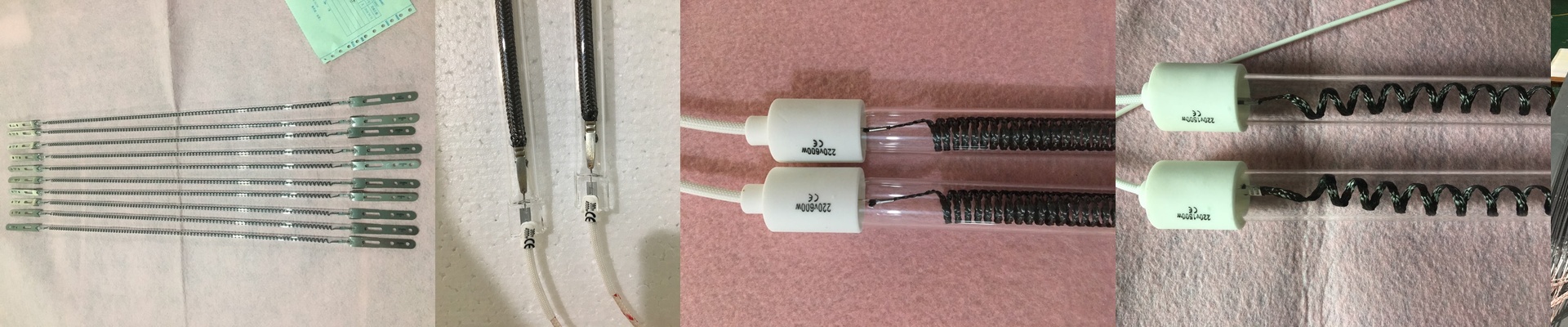
To keep those cracks away, you need a steady, controlled temperature climb. We use PID-controlled IR arrays, which is just a fancy way of saying you can tweak the power in real-time. High-wattage quartz tubes give you the punch you need to get the resins to bond properly, but they do it without cooking the metal backing plate. But here’s the thing: you can’t just blast it. If you dump too many watts into a tiny area, you’ll burn the binder. We’ve found the best way is to stage the heat. Start low to nudge out any moisture, then ramp it up to the final cure temperature. It takes a bit more patience, but the results are night and day.
The trade-offs (Because nothing is perfect)
IR is fast. Really fast. But it only works if the heater can “see” the part. If your pads are stacked or something is blocking the view, you’ll get cold spots. You have to be smart about your heater layout so every single millimeter of that pad gets the same amount of energy. Also, keep an eye on your housing. These high-density tubes put off a lot of ambient heat. If you don’t have good ventilation, the whole system will start to drift, and you’ll lose that precision you worked so hard to get.