Getting Your IR Heat Just Right for Brake Pads
Bonding brake pads is a bit of a balancing act. You need enough heat to cure the adhesive, but if you go overboard, you’ll scorch the friction material. The real headache? Ceramic and semi-metallic pads don’t play by the same rules. If you just throw a generic IR lamp at the problem, you’re likely to end up with a surface that’s burnt to a crisp while the core is still freezing cold.
It’s All About the Wavelength
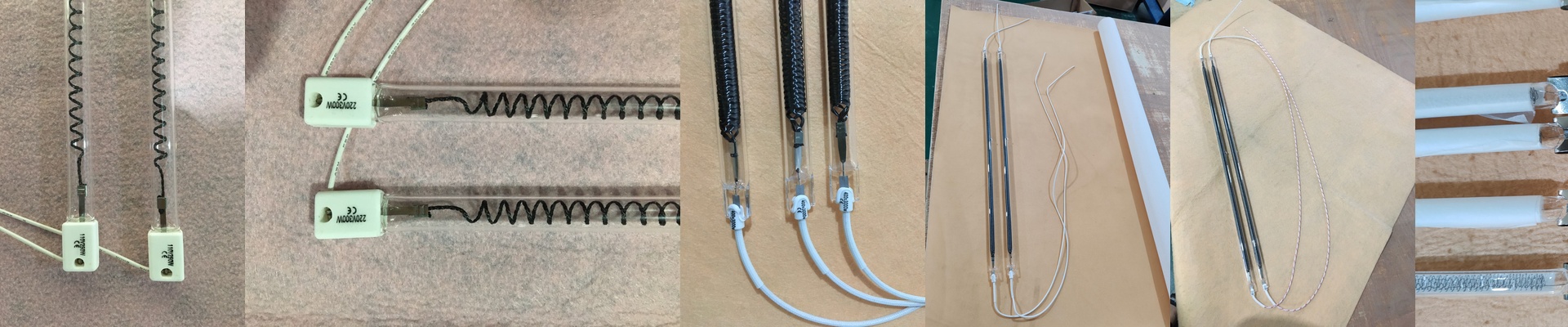
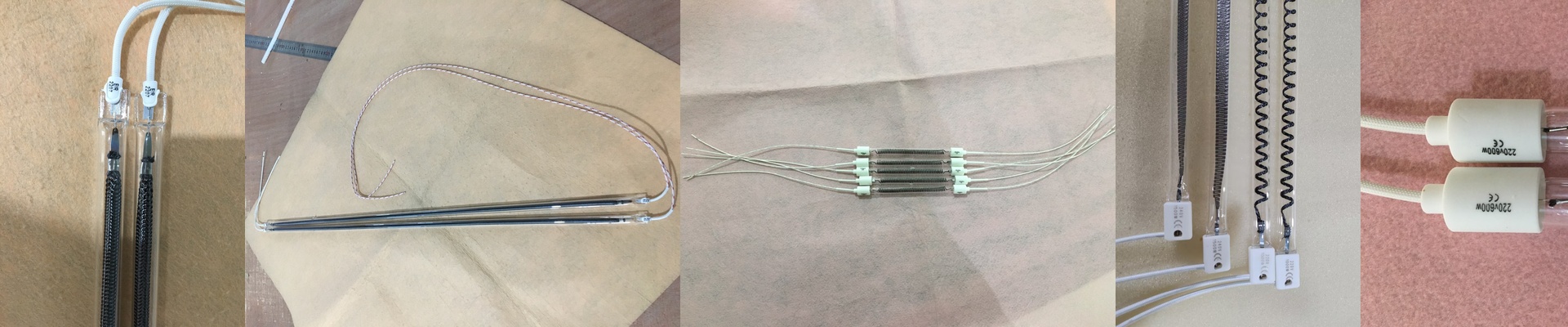
Think of it this way: different materials “drink” heat differently. Semi-metallic pads are packed with copper and steel fibers. They love shortwave IR and soak it up fast. Ceramic pads, on the other hand, usually have silica or resins that act more like a shield. They need a different kind of spectral distribution to actually let the heat sink in. We usually look at the material’s emissivity to figure out the right wavelength. Shortwave IR is great when you need to ramp up the temperature quickly. But for those ceramic blends, we often tweak the lamp coating or the power density. We want the heat to hit the bonding interface, not just bake the top layer.
Managing the Power
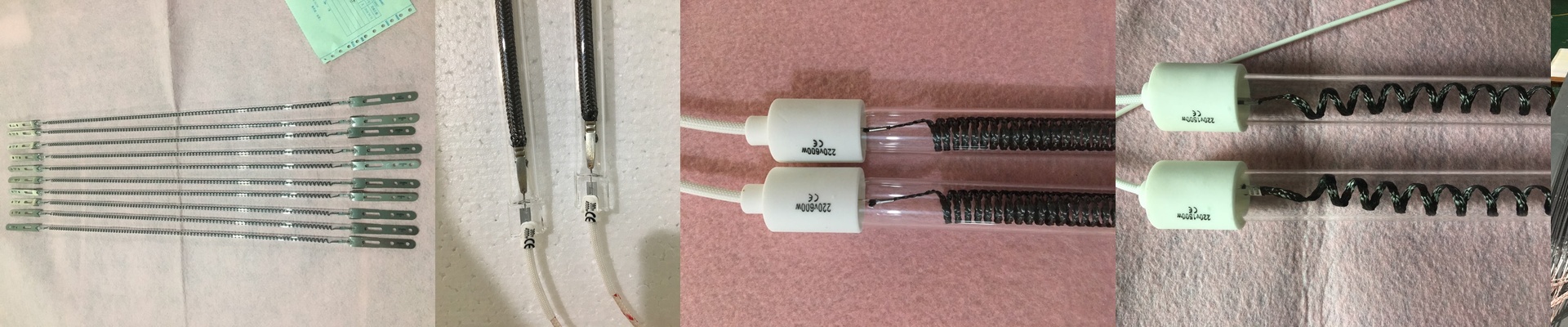
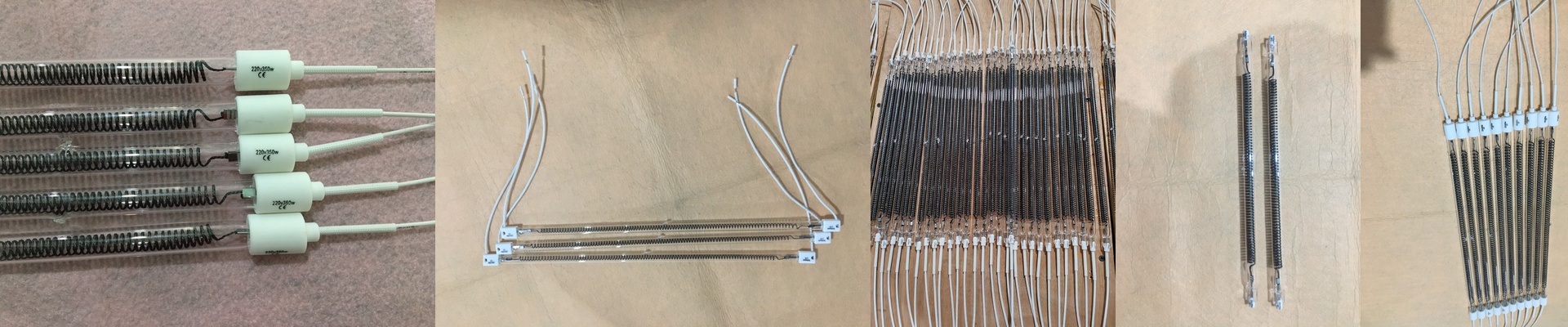
High-wattage quartz lamps give you the punch you need to keep a production line moving. But be careful. If you just crank the wattage, you’ll get “hot spots.” Nobody wants that. The trick is a balanced distribution. We’ve found that zoned heating controls are the way to go—it lets you manage the temperature gradient across the pad so everything heats up evenly. One more thing: these high-density setups are power-hungry. If you’re running several banks of 2kW+ lamps, make sure your wiring and cooling fans can handle it. Otherwise, your controllers are going to trip right when you’re in the middle of a peak cycle.
Real-World Setup
Once you’re on the shop floor wiring things up, your best friend is the distance between the lamp and the pad. It’s basically your main tuning knob. If you move the lamp closer, the heat hits harder, but your “sweet spot” for uniform heating gets smaller. Here is a pro tip: use a sliding rail system. It lets you nudge the lamp back and forth during your first few runs until you hit that perfect gap. It’s the easiest way to reach the exact cure temperature without ruining the resin.