The Secret to Curing Brake Pads Without Ruining Them
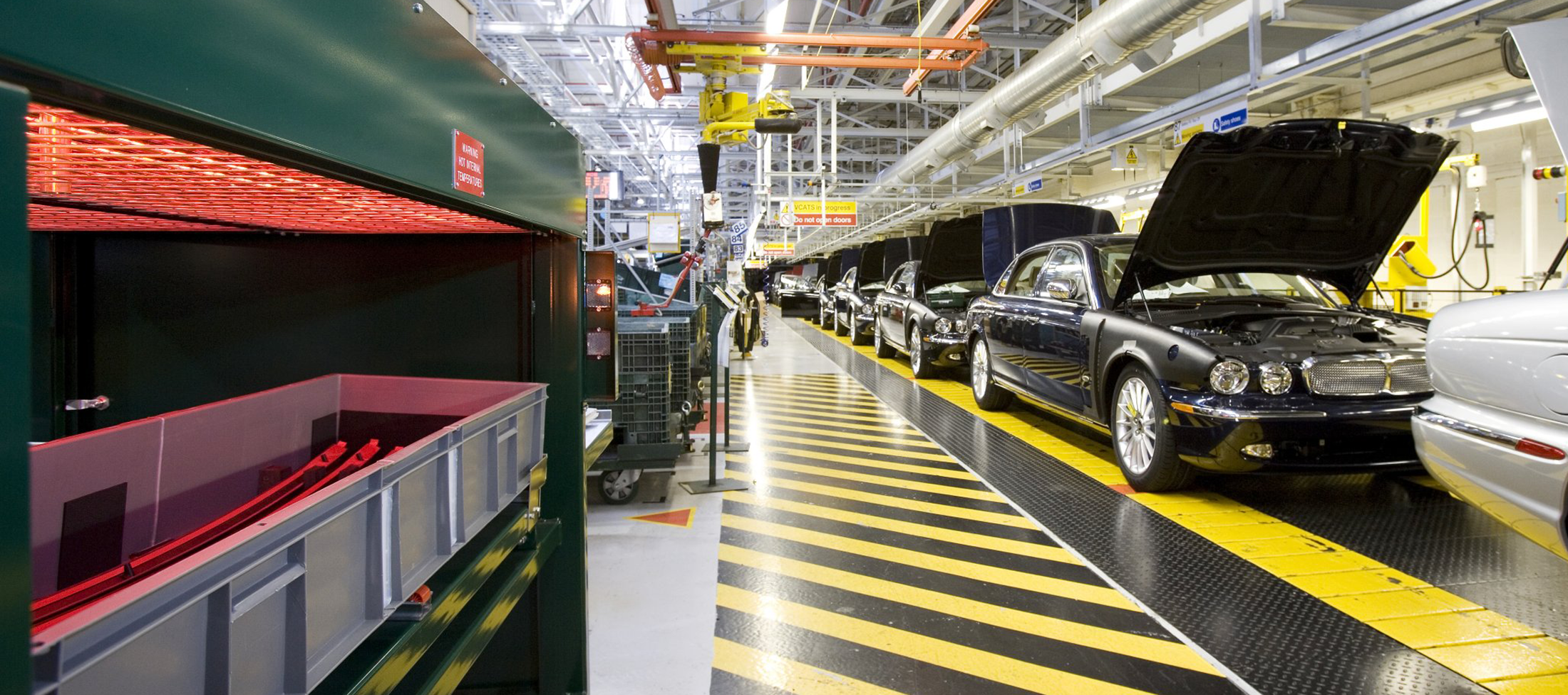
Curing brake pads is a bit of a tightrope walk. If you crank the heat too fast, the binder starts acting up and volatilizes unevenly. You end up with gas trapped inside the material, which leaves you with a mess of tiny cracks and holes. Not exactly what you want when you’re trying to stop a two-ton car. That’s why we lean on precision infrared (IR) heating. Think of it this way: convection ovens just heat the air around the part. IR is different. It puts the energy directly into the material.
Getting the Heat Right
The real trick is managing the temperature gap between the surface and the core of the pad. We use shortwave IR emitters because they actually dig deep into the composite. By playing around with the wattage and the distance, we can make sure the center of the pad hits its curing temp before the outside gets overcooked. Here’s the danger: if you push too many kilowatts too early, the surface “skins over.” It basically seals the pad shut. Then, when the moisture and solvents inside try to get out, they have nowhere to go, so they just blow holes right through the structure. You’ve got to step the heat up slowly.
The Gear and the Trade-offs
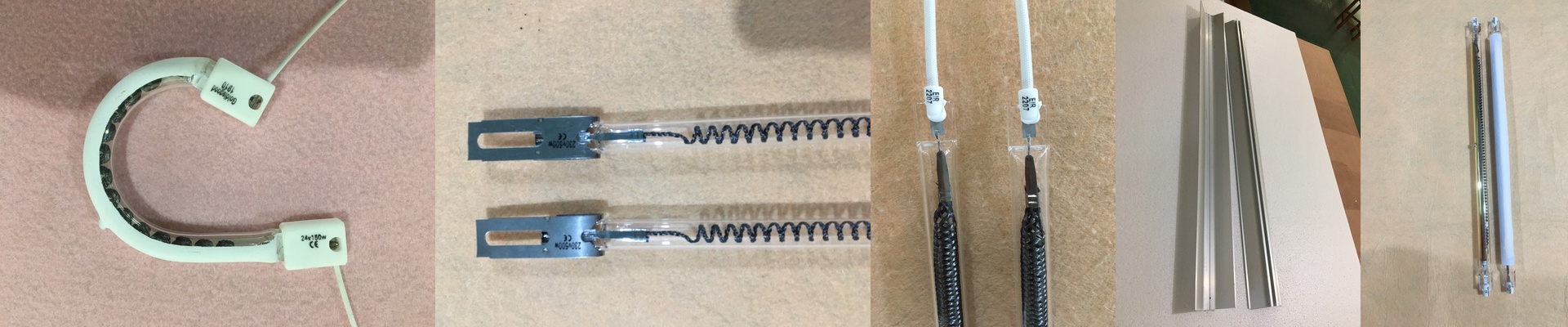
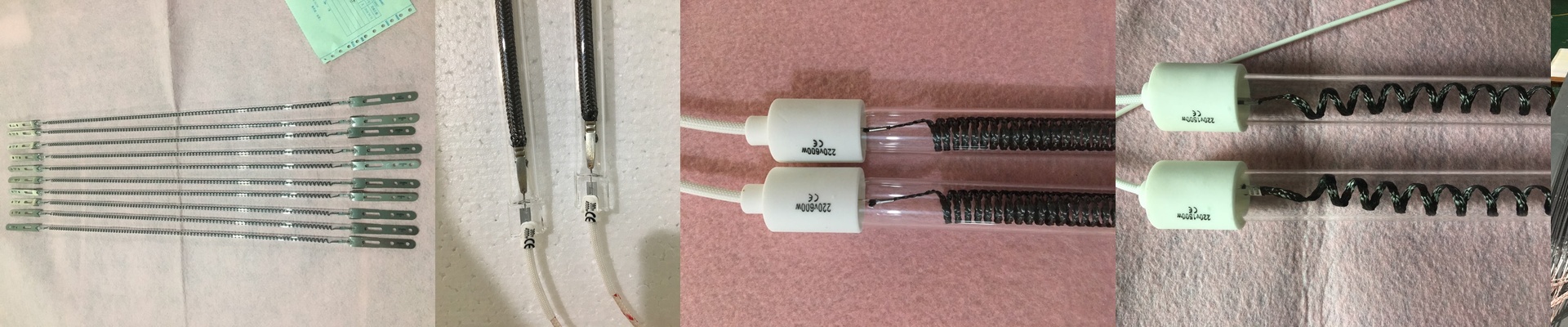
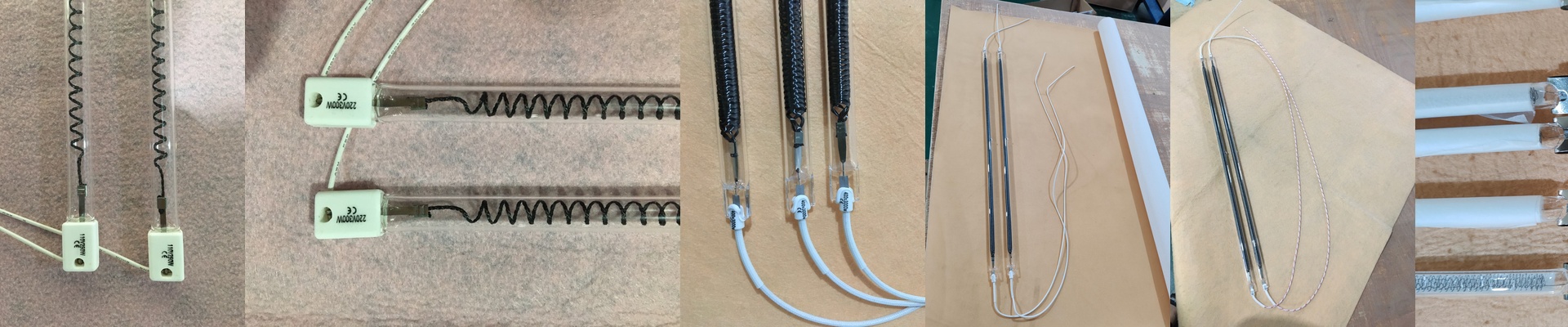
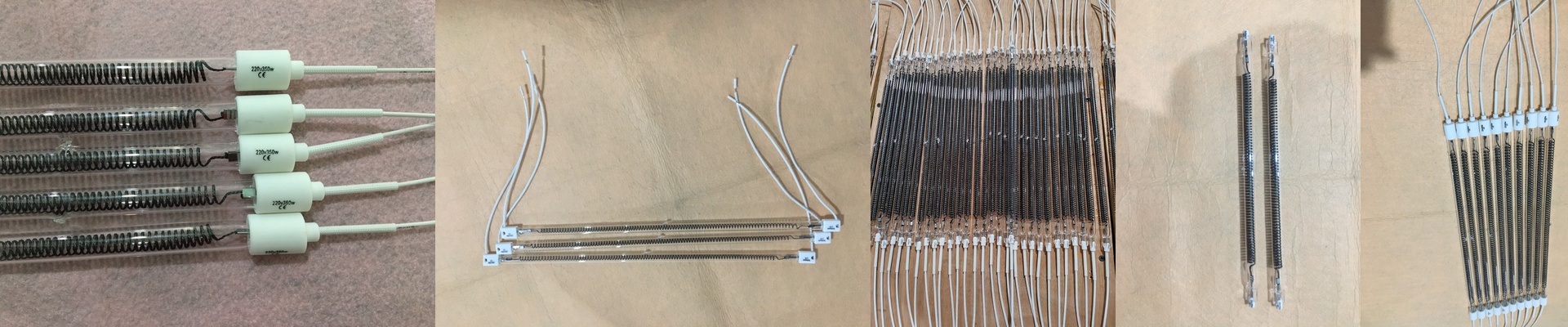
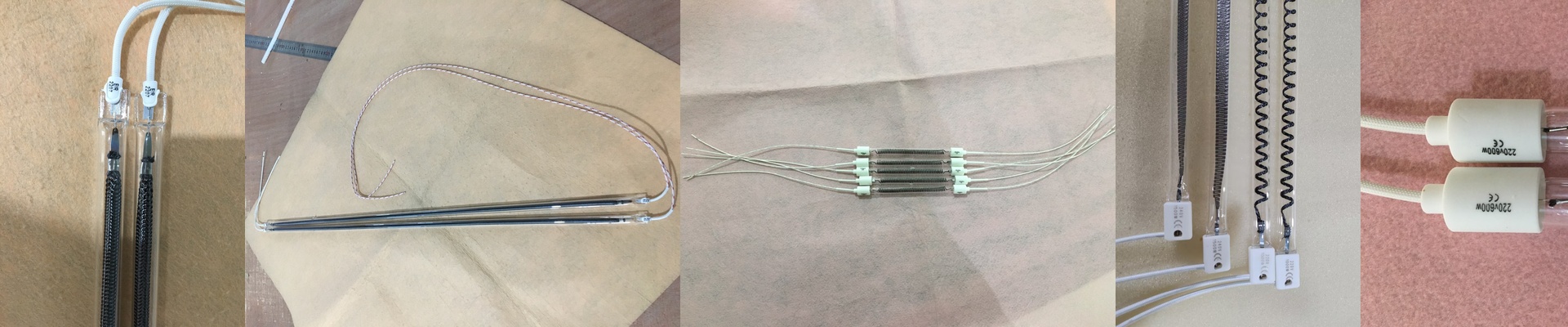
We usually go with quartz-halogen tubes. They react fast, which is huge when you’re using closed-loop PID control. If your pyrometer sees a temperature spike, you need that heat to drop now. If the ramp-down is sluggish, you’re just scorching your material. But there is a catch. High-density IR arrays get incredibly hot. If you don’t get your cooling blowers and insulation exactly right, the oven housing becomes a radiator. Once that happens, you lose your precision, and your scrap pile starts growing.
Why It Actually Matters
When you nail the IR curve, everything changes. The bond between the friction material and the backing plate becomes incredibly strong. You get a dense, solid piece of hardware with no voids. It means the pads won’t peel apart or delaminate when things get hot during heavy braking. It’s just basic physics—control the heat flux, and you get a part that actually holds together.