How to Actually Stop Brake Squeal (And Why IR is the Secret)
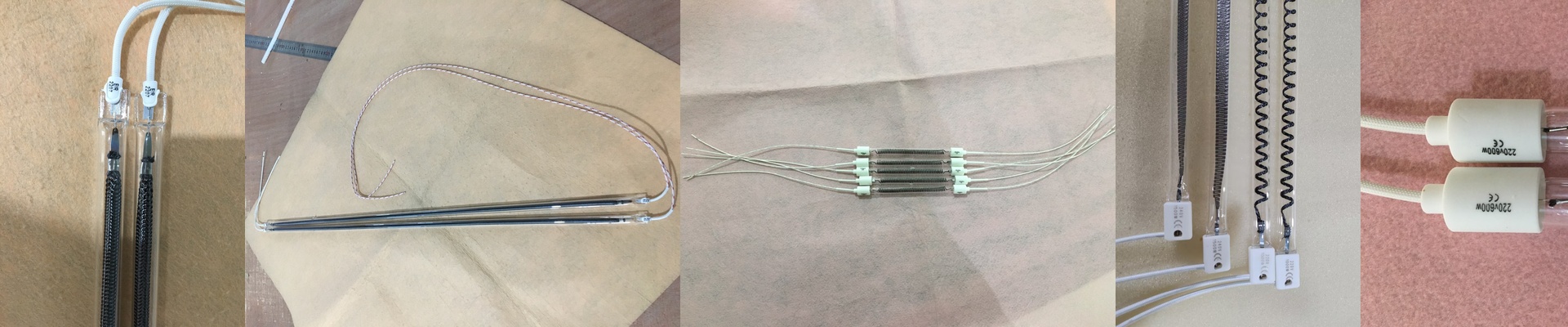
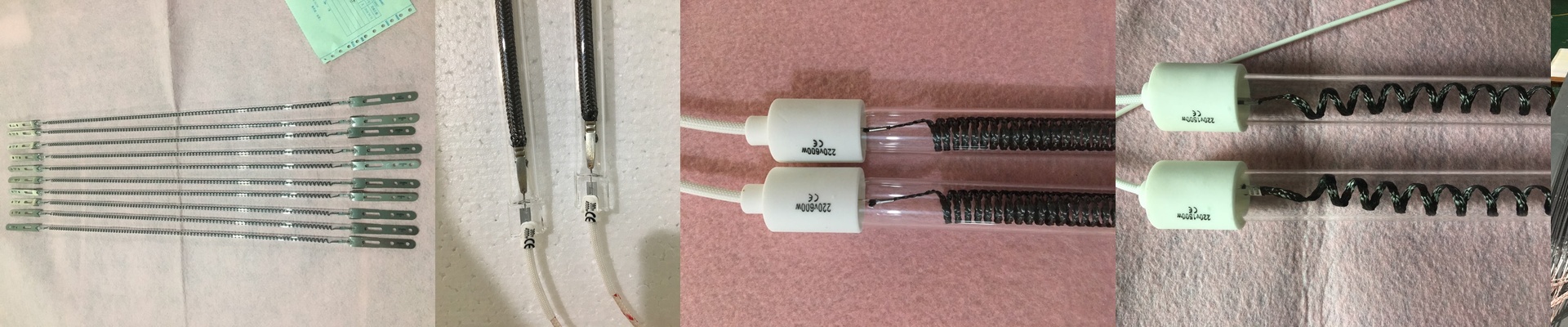
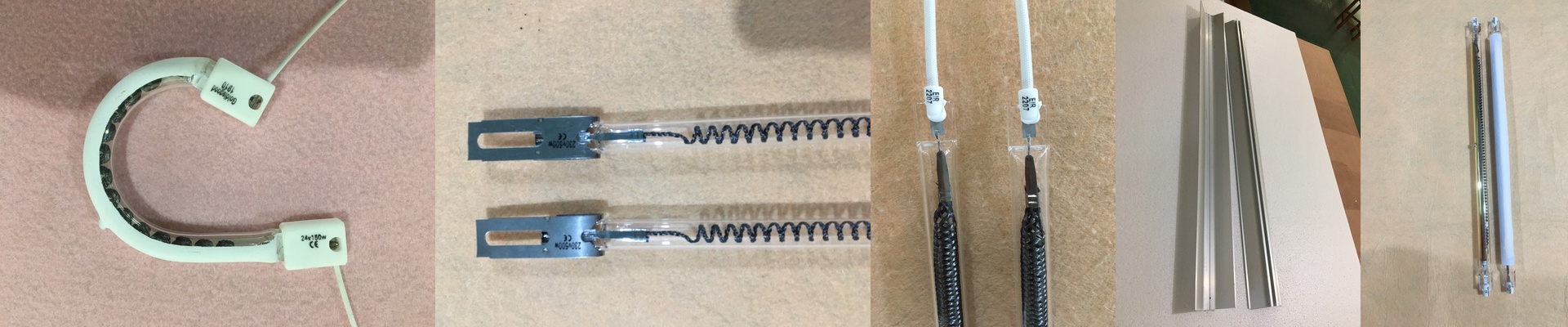
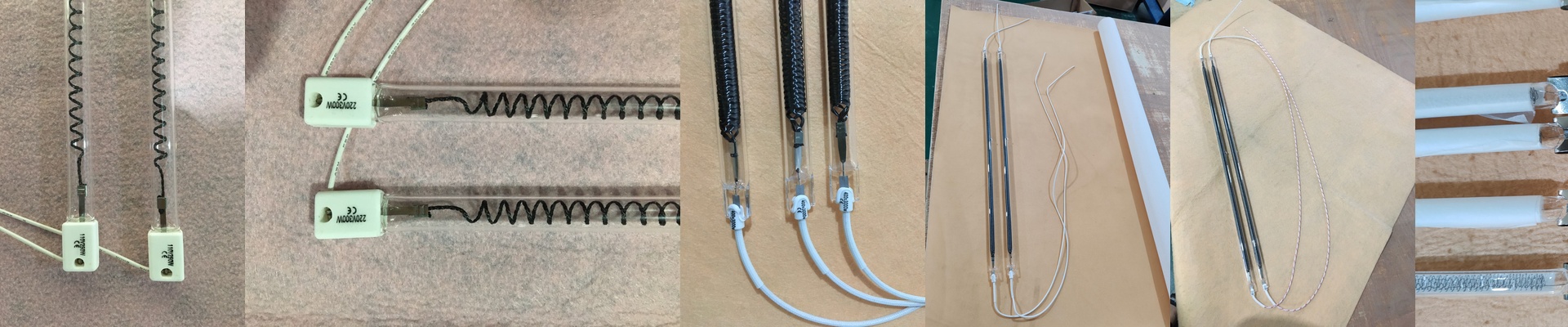
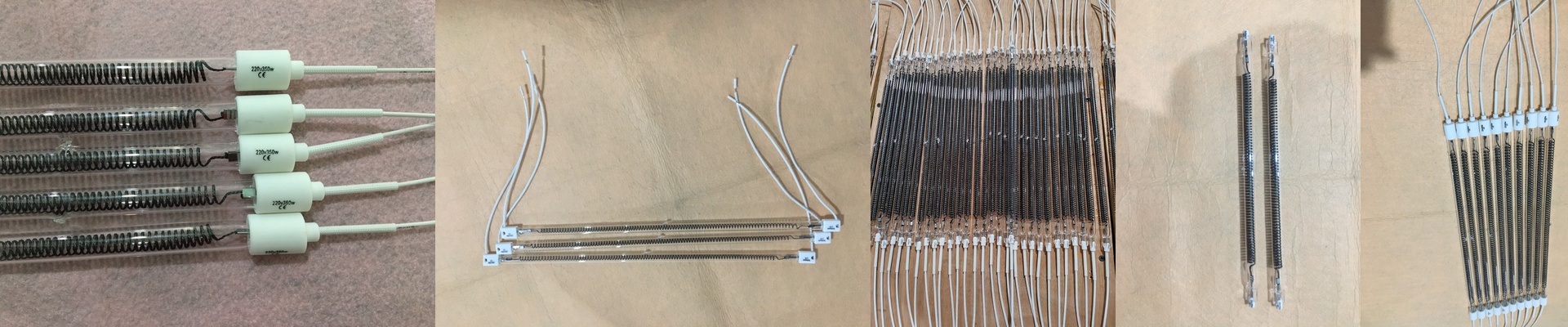
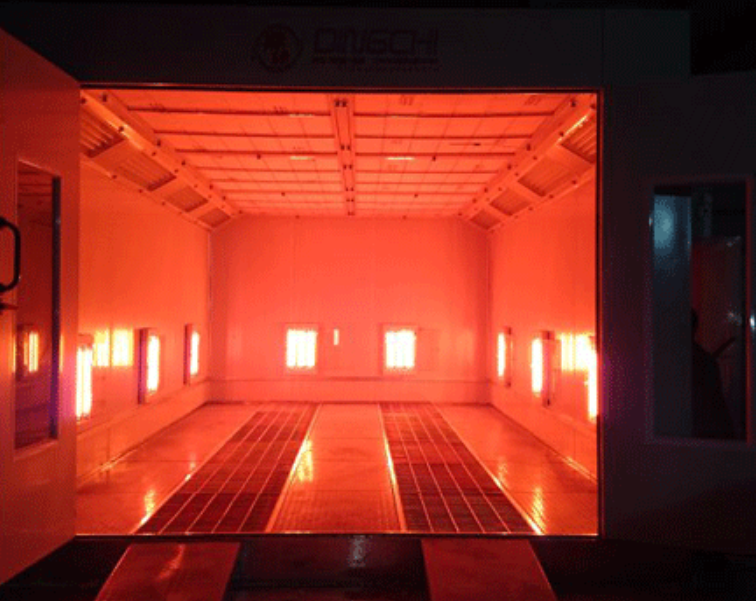
Nobody likes a noisy brake pad. That high-pitched squeal usually happens because the friction material didn’t cure evenly. Here is the problem: when the outside of the pad bakes faster than the middle, you end up with internal stress and weird density gaps. Those inconsistencies lead to vibrations. And vibrations? That’s where the noise comes from. We fix this by tossing out the old-school convection heat and using short-wave infrared (IR) penetration instead. Getting the heat deep inside Think about a standard convection oven. It heats the surface and then just hopes that heat slowly crawls its way to the center. It’s slow and uneven. IR is a totally different beast. The radiation punches right through the material, vibrating the molecules across the entire pad all at once. It heats the whole volume together. This means the resin cures at the same speed from the top surface all the way down to the backing plate. Setting up the line When we set up a continuous curing line, we don’t just guess. We match the IR emitters to the exact thickness of your material. We use high-density quartz lamps because they’re instant. Gas burners take forever to ramp up, but IR is on or off in a heartbeat. You can tune the heat zones to get the profile exactly right, which stops that annoying “skin effect” where the outside is burnt to a crisp while the inside is still raw. The tricky parts Now, this isn’t magic—there are things you have to watch. High-intensity IR packs a massive punch. If your conveyor belt moves too slowly, you’ll scorch the surface resins. You also need a cooling zone that can handle a rapid temperature drop to lock everything in place. And a quick tip on the electrical side: use dedicated controllers. If you don’t, power spikes can fry your lamps. But once you’ve got it wired up and the zones calibrated? You’ll notice the material hardness is tight and consistent across the whole pad. That consistency is exactly what kills the noise.