Getting the IR Wavelength Right for Your Brake Pads
Here’s the thing about curing brake pad coatings: you can’t just treat every pad the same. If you’re jumping between ceramic and semi-metallic materials, you’re basically dealing with two different worlds. They soak up heat in completely different ways. Try to use the same lamp for both, and you’re asking for trouble. You’ll end up with ceramics that aren’t cured through, or semi-metallics that are scorched to a crisp.
Why the material matters
Think about it like this. Ceramic pads tend to bounce IR energy right back. Semi-metallics, with all those steel fibers and copper, just eat the heat up. That’s why we get picky about the wavelength. Shortwave, medium-wave, longwave—they all do something different. For those thick ceramic layers, we usually go with shortwave. It digs deeper into the coating. That way, the core actually cures without the surface getting fried.
Balancing the heat
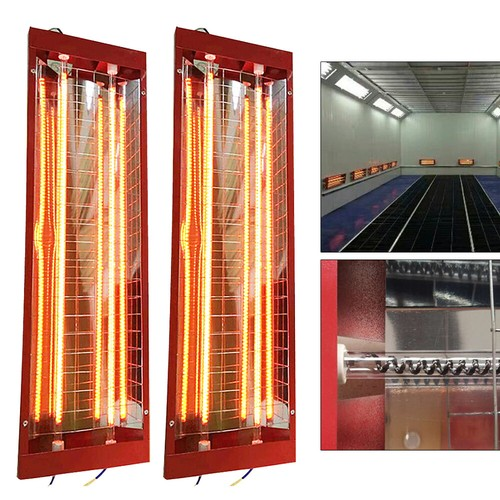
You can’t just crank up the wattage and hope for the best. It doesn’t work like that. It’s a balancing act between how much power you’re pushing and how fast your conveyor is moving. A high-wattage quartz lamp is great because it hits full heat instantly, which keeps your line moving fast. But there’s a catch. If the heat is too intense, you get “skinning.” That’s when the top layer hardens too quickly and traps solvents underneath. Not a good look. To fix it, you just have to play around with the distance between the lamp and the pad until it feels right.
The gear side of things
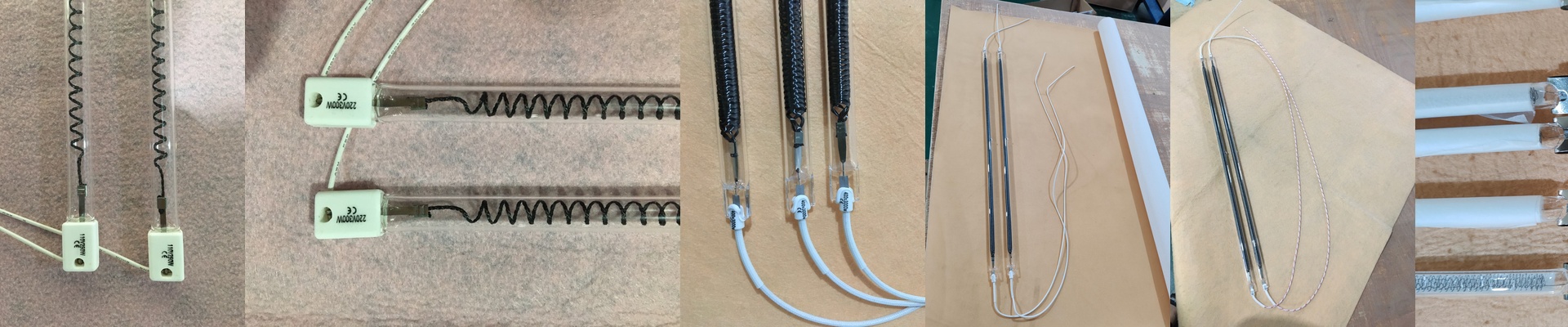
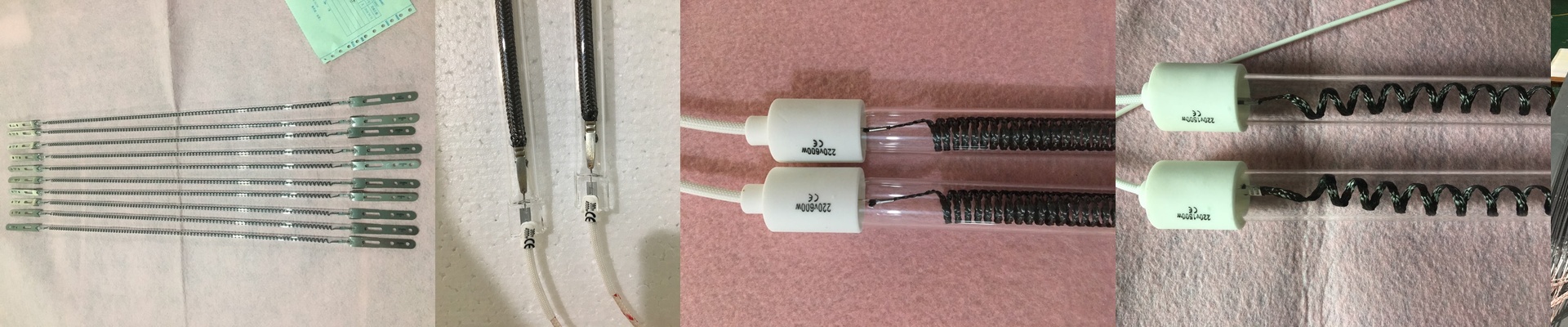
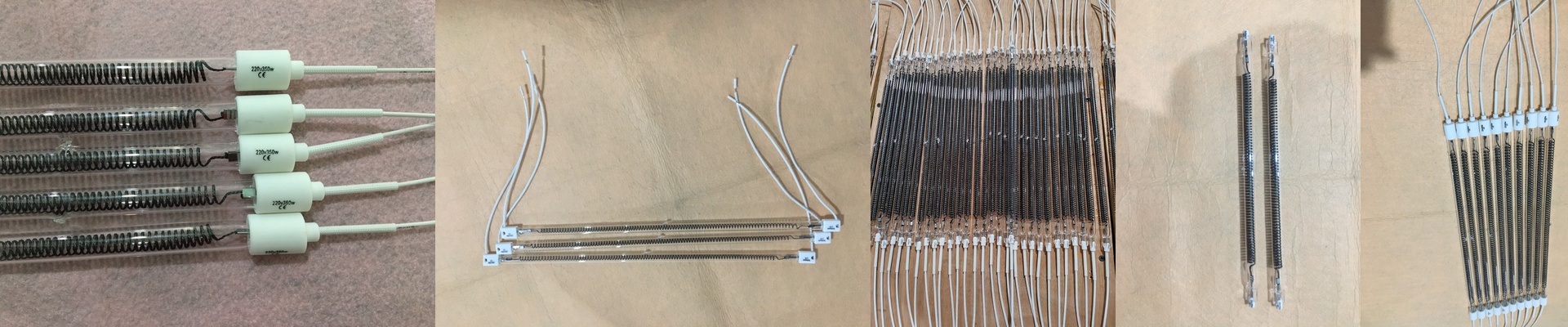
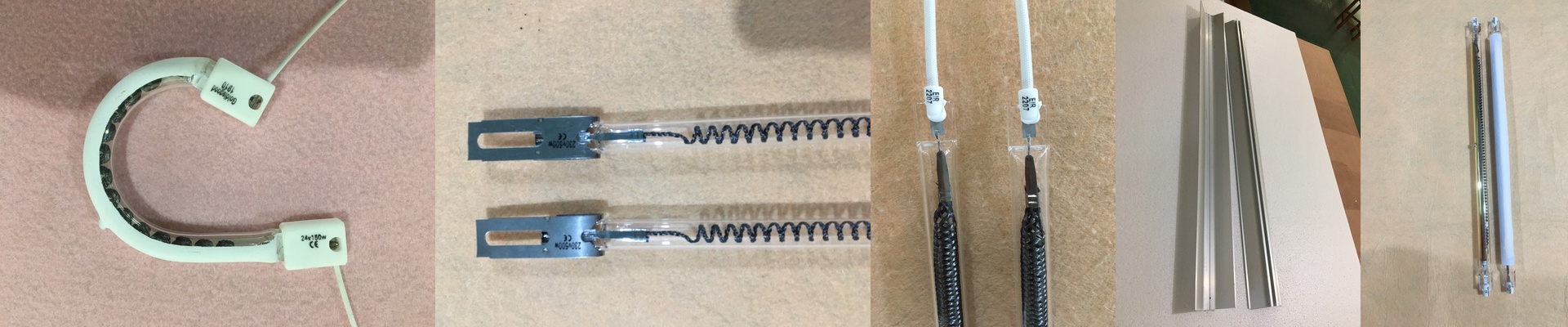
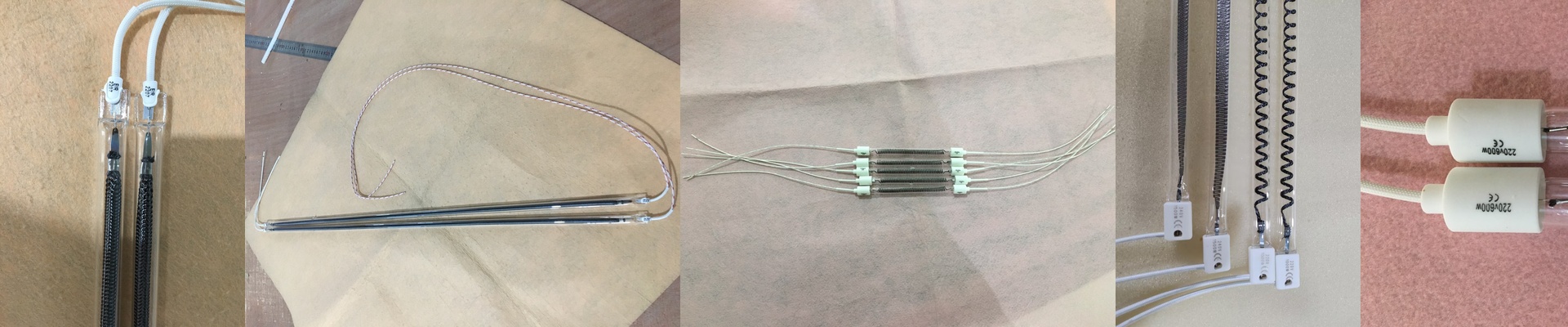
We use quartz glass for our lamps because it can handle the thermal shock without cracking. We’ve also made sure the connectors are simple, so they just slide right into your existing racks without a headache. Just a heads-up: make sure your power supply can handle that initial surge when you flip the switch. And if you’re switching your production from semi-metallic to ceramic, don’t just turn the dial up. It won’t help. You’ll either need a different lamp spec or a new focal point. Otherwise, you’re looking at blisters and uneven curing.