Getting Your IR Lamp Layout Right for Brake Pad Ovens
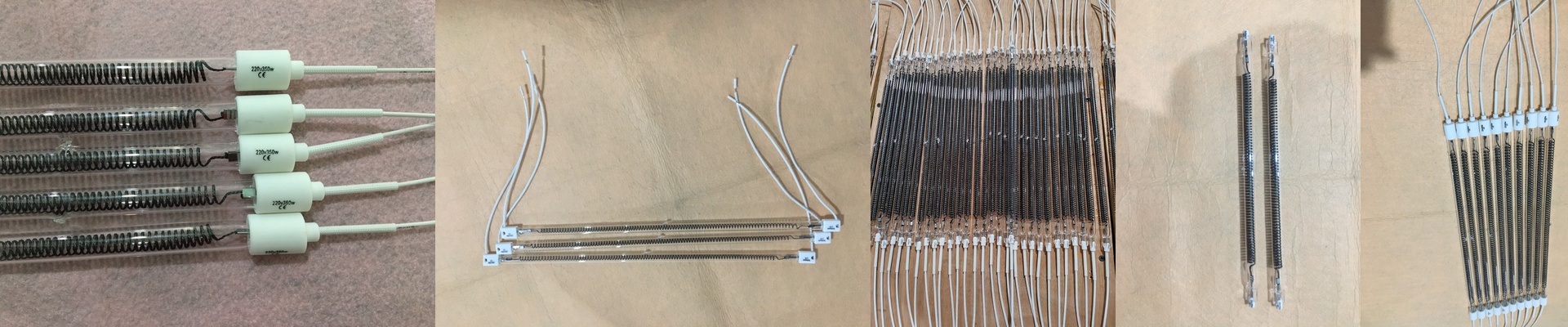
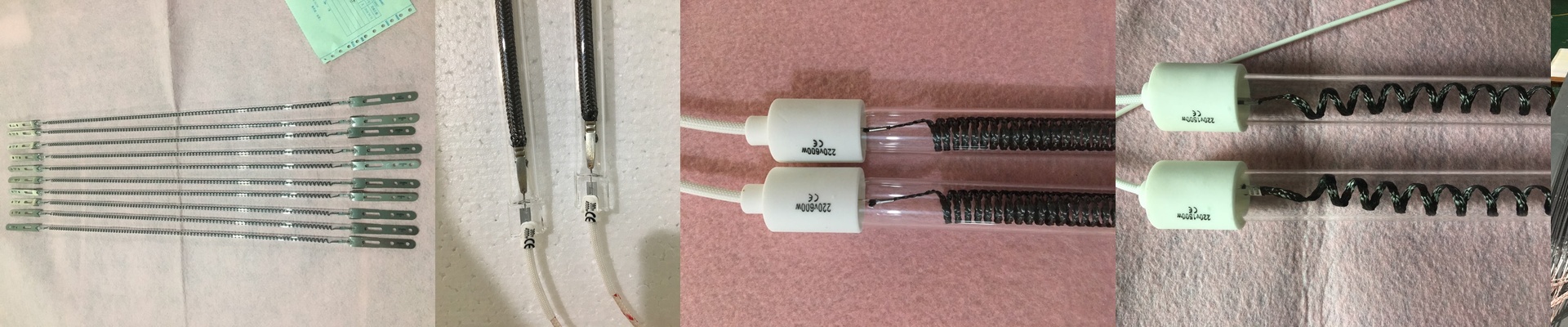
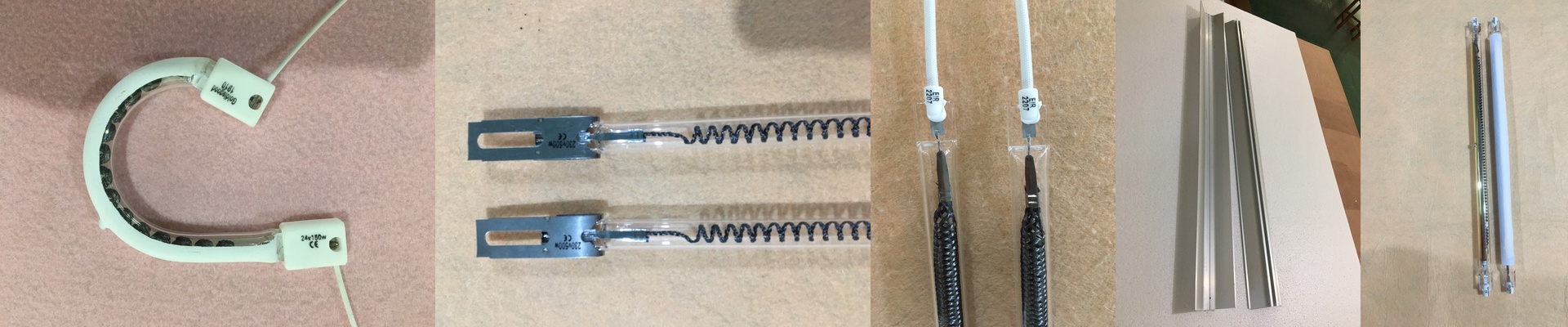
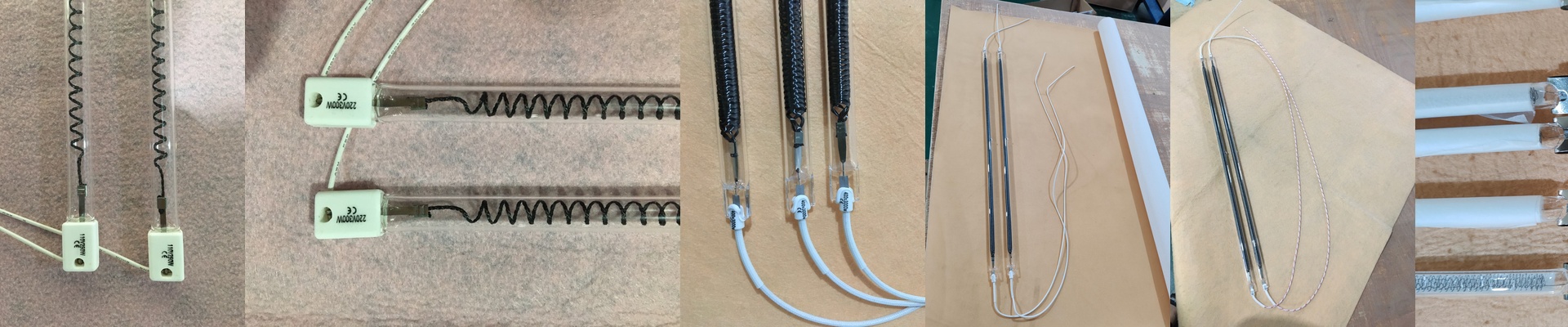
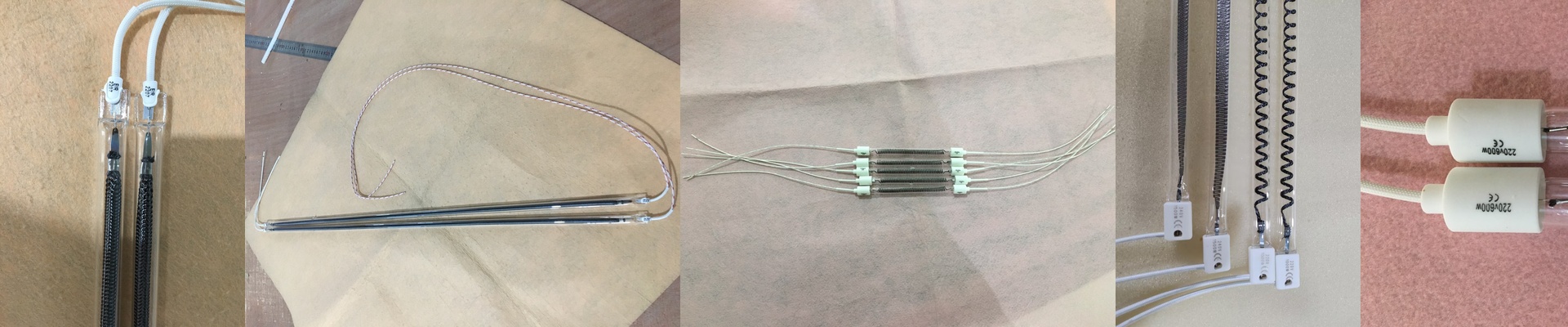
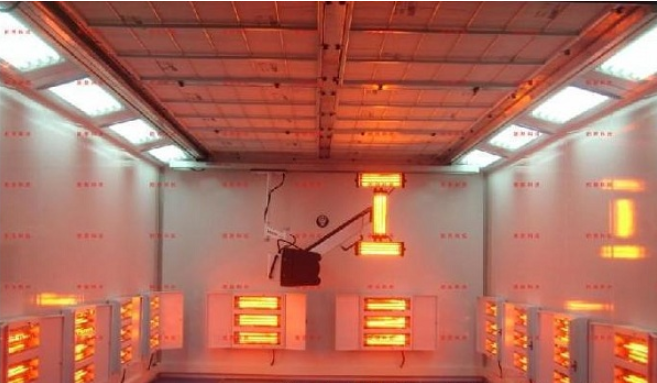
If you’ve ever dealt with brake pad coating, you know the struggle. You need the heat to be exactly right—not too hot, not too cold. If the thermal profile is off, you end up with cracks or warping, and that’s just wasted material. We use custom infrared (IR) heating walls to handle this, but here’s the catch: brake pads aren’t one-size-fits-all. When you switch from a tiny passenger car pad to a massive truck pad, the surface area changes. If your lamps are stuck in one fixed position, you’re going to get cold spots in the middle or burnt edges on the sides. It’s a headache. Thinking about the vertical layout You can’t just slap the lamps in the center and hope for the best. We actually map out where the heat goes based on the footprint of the pad. For those big truck pads, we pack more shortwave IR elements into the center zone. Why? Because it stops the temperature from “sagging” in the middle. For the smaller pads, we spread them out. If they’re too close, you’ll fry the edges before the center even gets warm. The best part? We use adjustable lamp holders. You can swap your configuration on the fly without having to tear down and rebuild the whole wall. The trade-off with heat density Now, high-wattage tubes are great because they get you up to temperature fast. If you’re running a high-volume line, you want that speed. But there’s a flip side. When you cram that much power into a small vertical space, your oven chassis starts to feel it. If you go for a high-density setup, you’ve got to make sure your ventilation is actually doing its job. If the ambient heat doesn’t get pulled away, your electrical connectors can literally melt. And trust me, that’s a disaster you don’t want on a Tuesday morning. Keeping things simple and maintainable We build these walls so they don’t get in your way. We use standardized mounts, which means when a tube finally burns out, your team can just slide it out and wire in a new one in a few minutes. No drama. We also obsess over the gap between the lamp and the part. Too close, and you get hot spots. Too far, and you’re just throwing energy (and money) away. We calibrate that distance based on the quartz glass emission curve, making sure the heat hits the entire face of the pad evenly. It just works.