Getting Your Brake Pads to Cure Without the Headache
Here’s the thing about curing brake pads: you can’t just throw a generic heat lamp at them and hope for the best. If you do, you’ll probably end up with “surface scorch.” That’s when the outside looks done, but the core is still raw. Not great. To get it right, you have to match the infrared (IR) energy to the actual material you’re working with.
Why the Material Matters
Ceramics and semi-metallics are different beasts. Semi-metallics are packed with steel or copper, so they soak up heat quickly. But that speed is a double-edged sword—it’s easy to accidentally create hot spots. Ceramics are a bit more stubborn and don’t move heat around as easily. We handle this by tweaking the filament temperature and the quartz envelope. It shifts the light spectrum so the heat actually sinks into the pad instead of just bouncing off the surface like a mirror.
Picking the Right Lamp
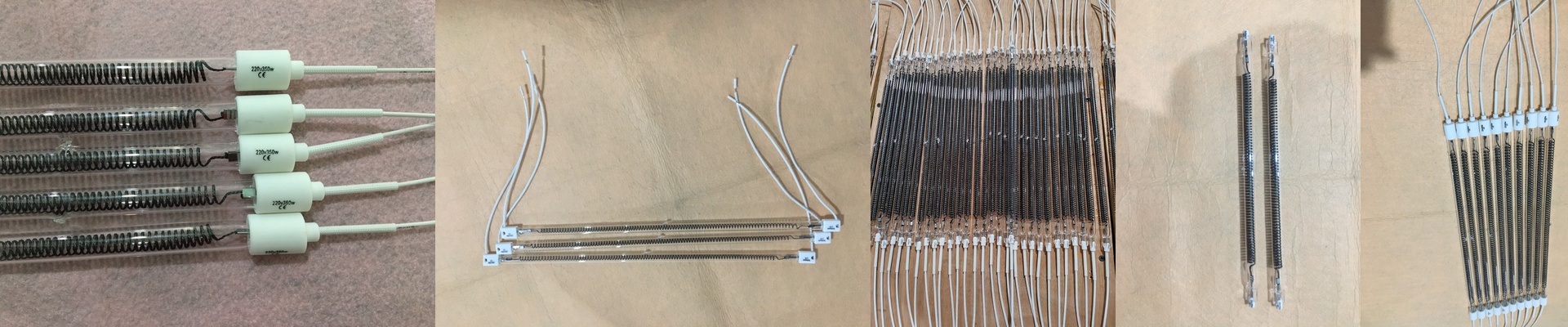
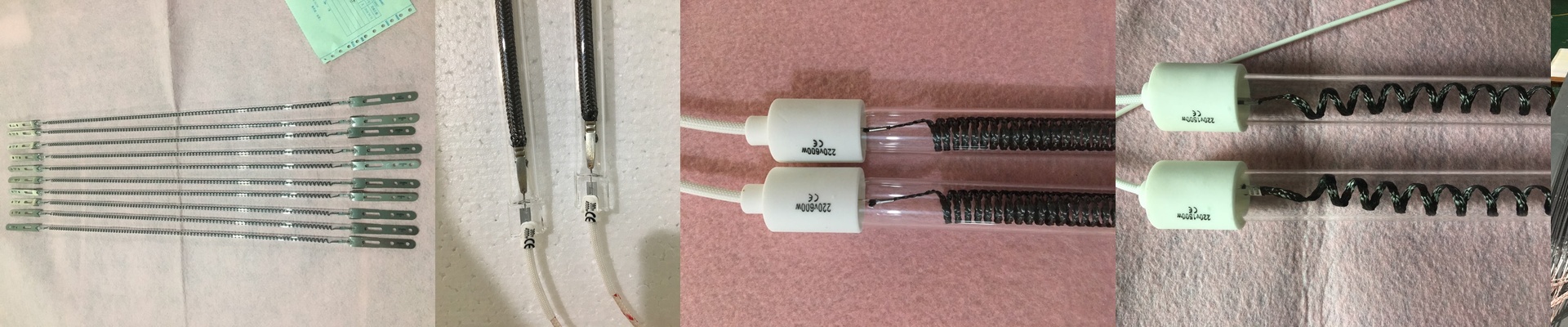
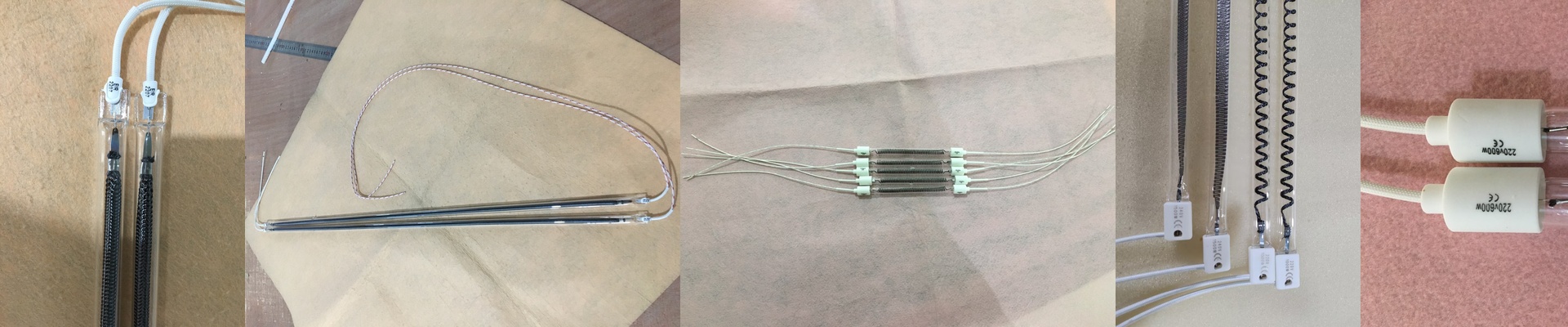
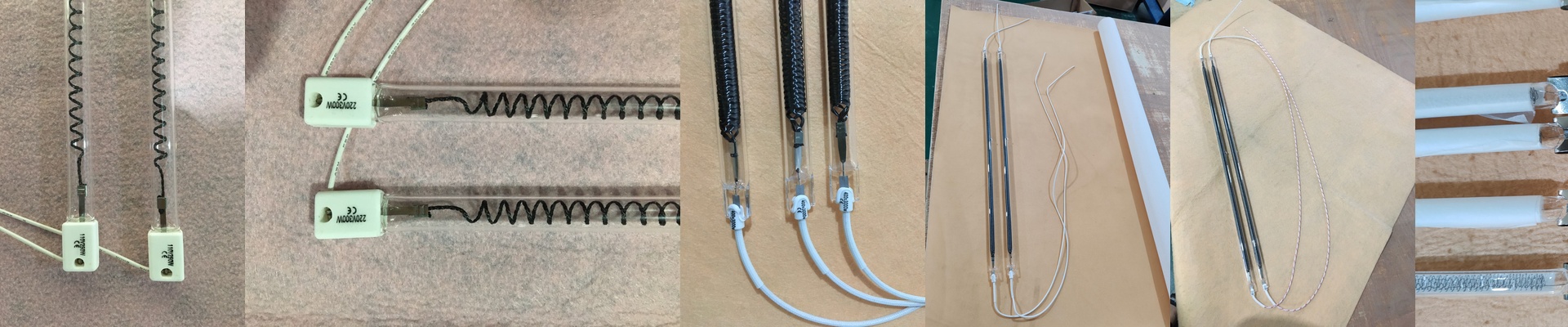
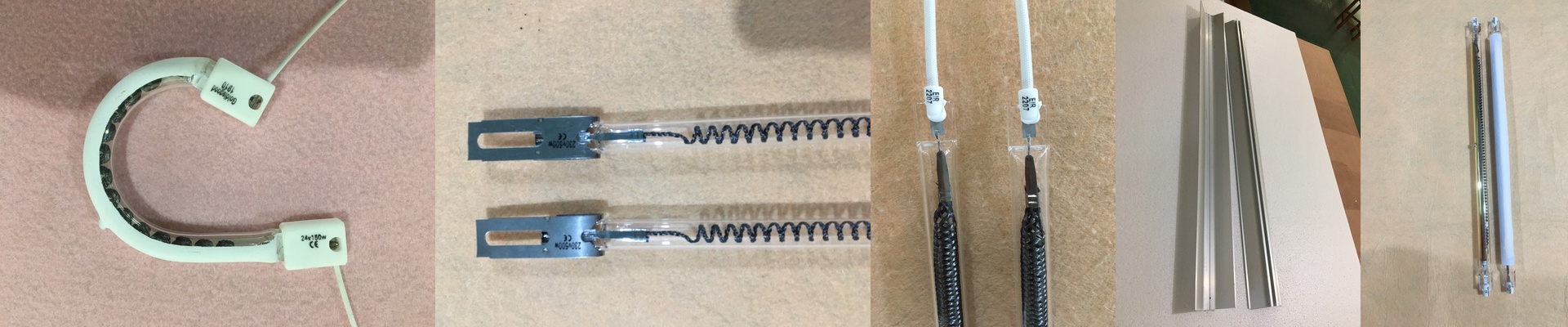
We build these things to survive the chaos of a curing line. Depending on how fast you need your parts moving, you’ve got two main choices: Short-wave IRhits hard and fast. If you’re running a high-volume line and every second counts, this is your best bet. Medium-wave IRis more of a slow burn. It penetrates deeper, which is exactly what you want for those thicker pads. One quick heads-up: we use heavy-duty quartz so the tubes don’t bow or warp when things get hot. These are designed to drop right into your existing housings, but please,check your power supply first. High-wattage tubes pull a lot of current. If your wiring is too thin, you’ll get a voltage drop, and your heating will be all over the place.
The Trade-offs
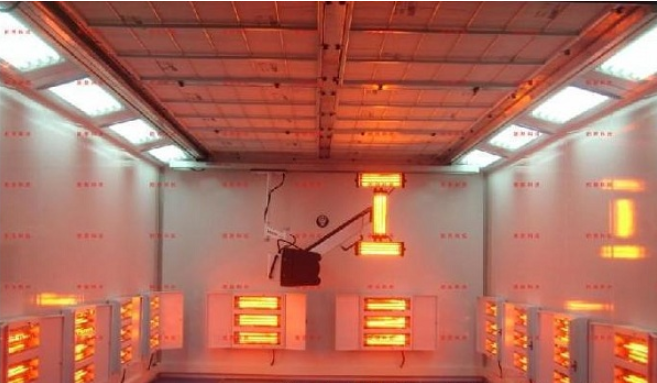
More heat means a faster line. Simple, right? But there’s a catch. If you push your lamps to 110% just to hit a production quota, they’re going to burn out faster. It’s a balancing act. To keep your gear lasting longer, make sure your cooling airflow is dialed in. We also suggest a staggered firing sequence. It spreads the thermal load across the oven so you aren’t stressing one spot too hard.