Stop the Squeal: Why Your Brake Curing Process is Lying to You
Ever wonder why some brakes just won’t stop that annoying high-pitched squeal? Usually, it comes down to how they were baked. If you’re using standard convection ovens, you’re probably dealing with the “skin effect.” The outside of the friction material hardens quickly, but the core stays under-cured. It’s like a half-baked cake. That difference in temperature creates internal stress, which leads to uneven wear and vibrations. And that’s exactly what you’re hearing when those brakes scream.
Getting the Heat Where it Actually Matters
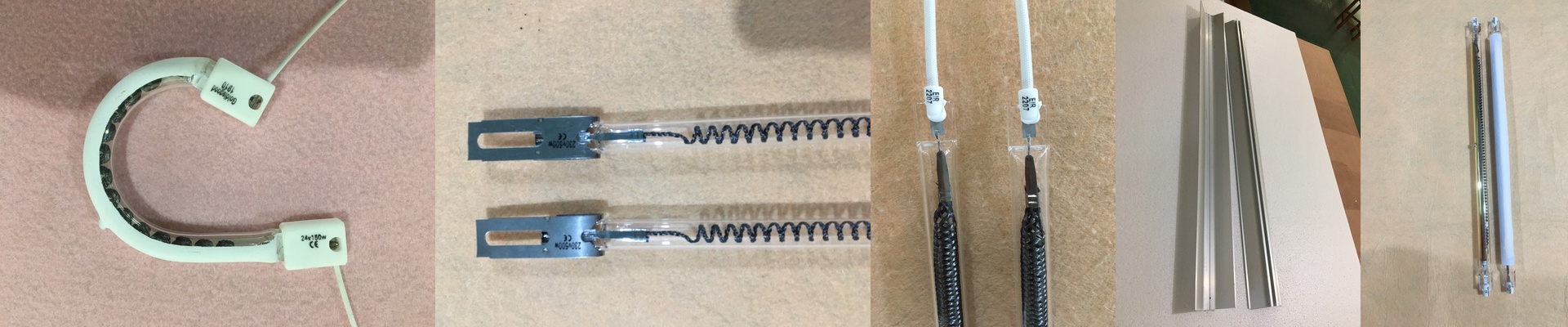
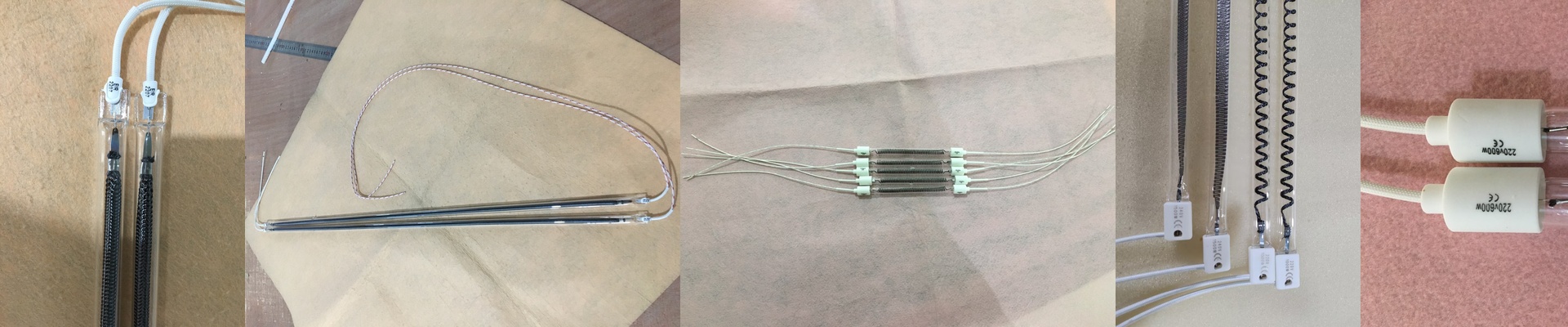
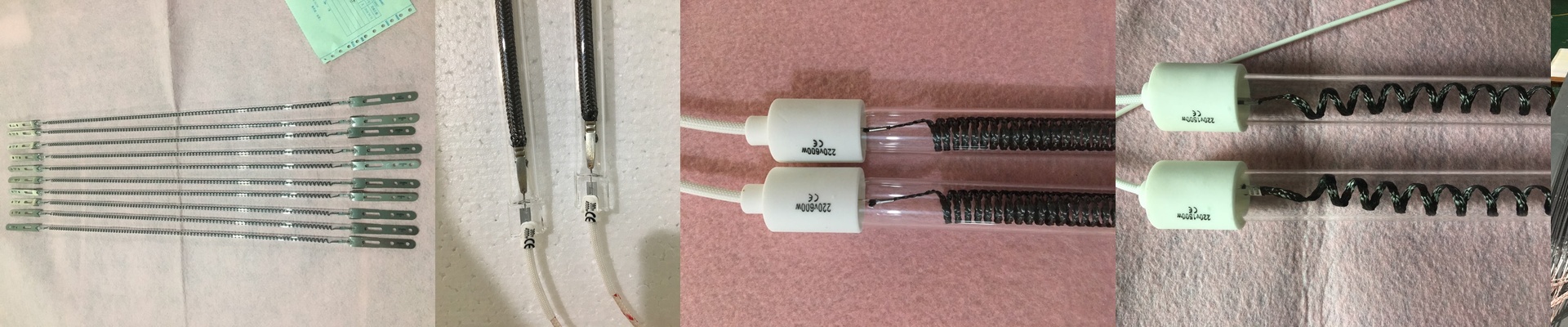
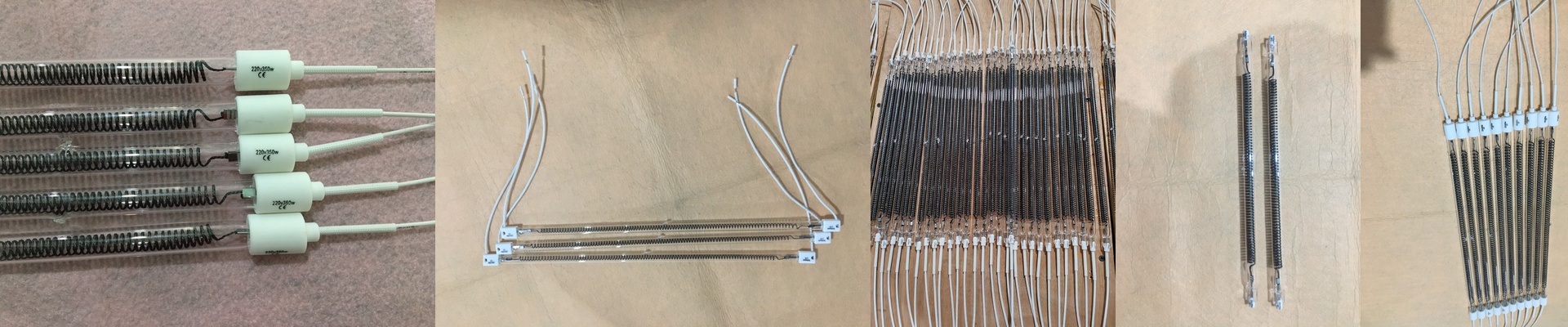
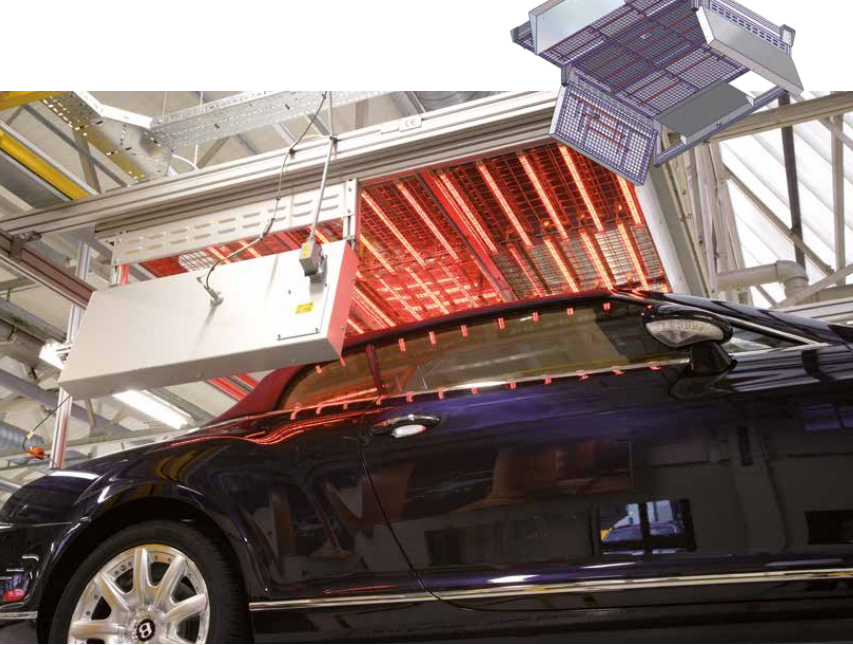
To fix this, we stop relying on hot air and start using short-wave infrared (IR). Here’s the thing: IR doesn’t bother heating the air around the part. Instead, it vibrates the molecules inside the material itself. The energy dives deep into the resin matrix, so the core hits the target temperature at the same time as the surface. The result? A consistent, solid part from the outside in. No soft spots. No leftover uncured resin. Just a clean, uniform cure.
Making it Work on the Floor
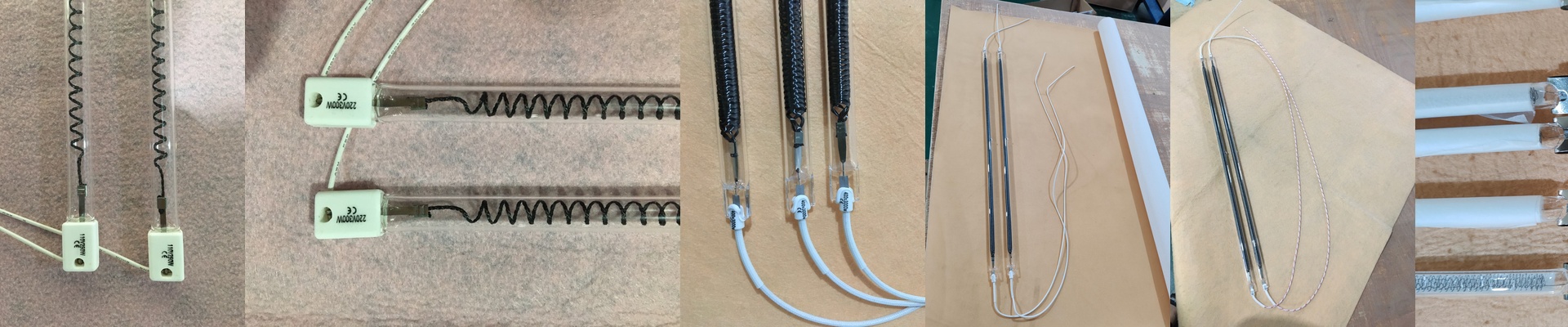
You can’t just blast the parts with heat, though. If you do, you’ll burn the surface or cause blistering. We handle this by picking IR emitters based on how the specific material absorbs heat. We use high-density quartz lamps to keep the heat flux concentrated. The trick is the ramp-up. You have to balance the wattage so the part “soaks” in the heat steadily. When you get that rhythm right, the noise problem basically disappears.
The Trade-off (Because Nothing is Free)
IR curing is incredibly fast—way faster than waiting on a convection oven. But it’s a bit pickier. If your parts aren’t lined up perfectly, or if they’re just a few centimeters too far from the lamp, you’ll get hot spots. Your jigging has to be tight and your conveyor speed has to be locked in. Plus, those lamps put off a lot of heat. If your cooling system isn’t up to the task, your electronics will start to drift, and your precision goes right out the window.